What Happens After You Call
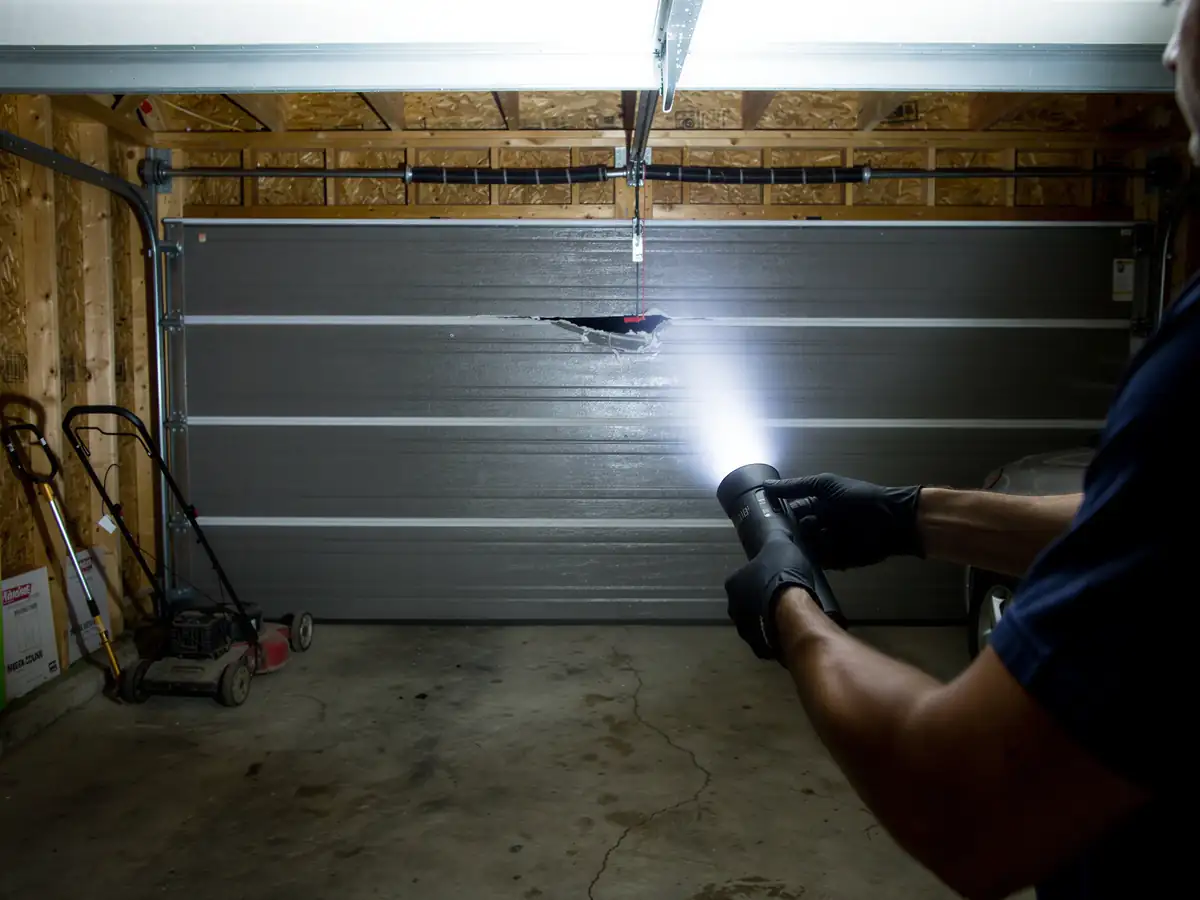
You call the number, you talk to someone who can tell you whether this sounds like a spring, an opener board, or a bent track before a truck ever leaves 40 W Cherry St. Most of what we see on service calls here comes down to a handful of repeatable problems - broken torsion springs, worn rollers, openers that grind instead of lift - and knowing the housing stock in this area means we can usually guess the hardware before we see the door
A lot of Statesboro homes were built between 1975 and 1992
With the median landing around 1978, and across the four main residential pockets in the service area the stock skews even older, mostly 1960s and 70s construction. That matters because those decades used different spring systems and different track widths than what gets installed today, so the first question on the call is usually about the age of the house, not just the symptom.
We won't pretend every job gets fixed same-day
Parts for some of the older torsion setups from that era aren't something every supplier keeps on the shelf, and if yours needs an ordered part, we'll tell you that up front instead of guessing.
Where We Work
The base is in Statesboro, at 40 W Cherry St, and the service area runs out from there to the smaller towns around it - Brooklet about 7 miles off, Portal around 11, Metter at 17, and Newington at 19. That's the radius we actually run trucks in, not a list padded out to look bigger than it is.
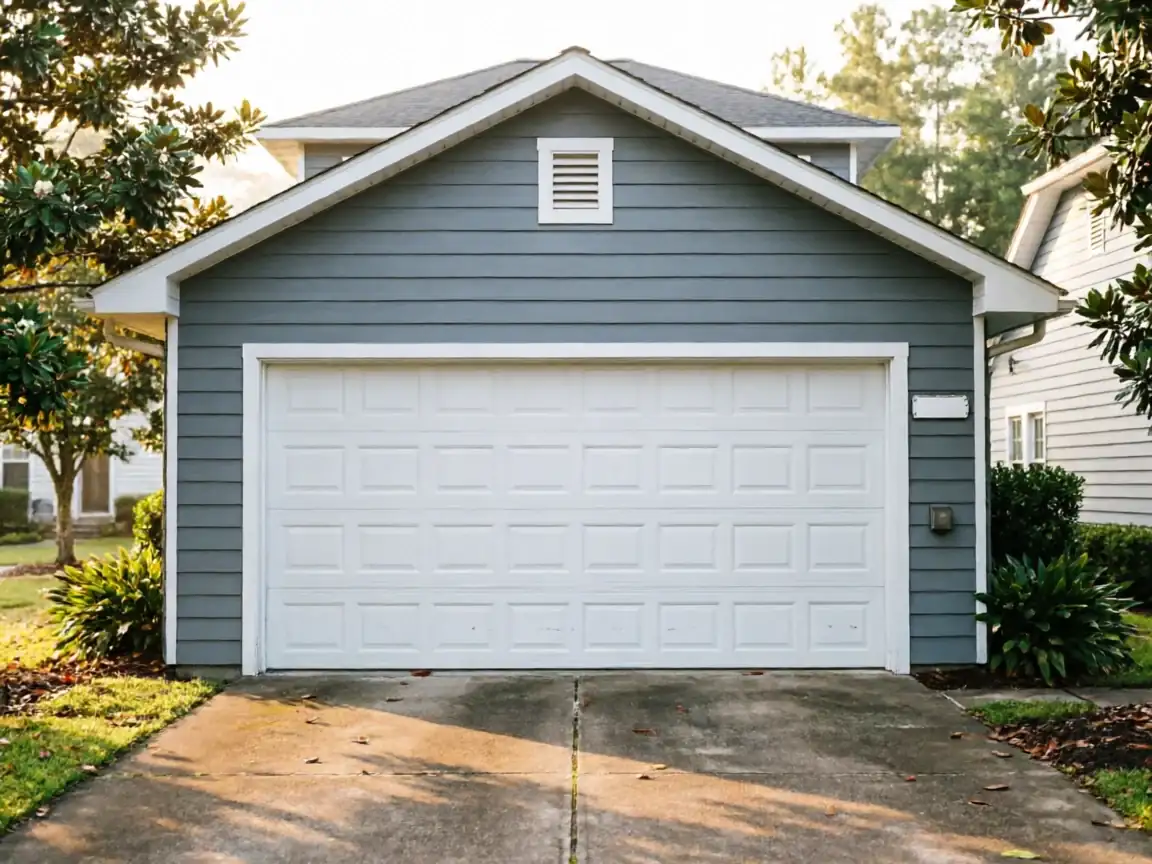
Across that area there are roughly 3,056 households, with about 1,179 of those being owner-occupied houses - the kind of single-family stock where a garage door is original equipment or a prior owner's upgrade, not a builder spec from last year. Median household income in the area sits around $55,125, which shapes a lot of the repair-versus-replace conversations we have on-site: a lot of owners want the door fixed if it can be fixed, and only want to talk replacement when the repair cost gets close to a new door's price.
The climate here is mild with occasional freeze risk in winter, which is easier on garage door hardware than a harsher climate would be - springs and openers here tend to fail from age and cycle count more than weather damage, though a hard freeze can still seize up an opener that was already due for lubrication.
Who Turns Up
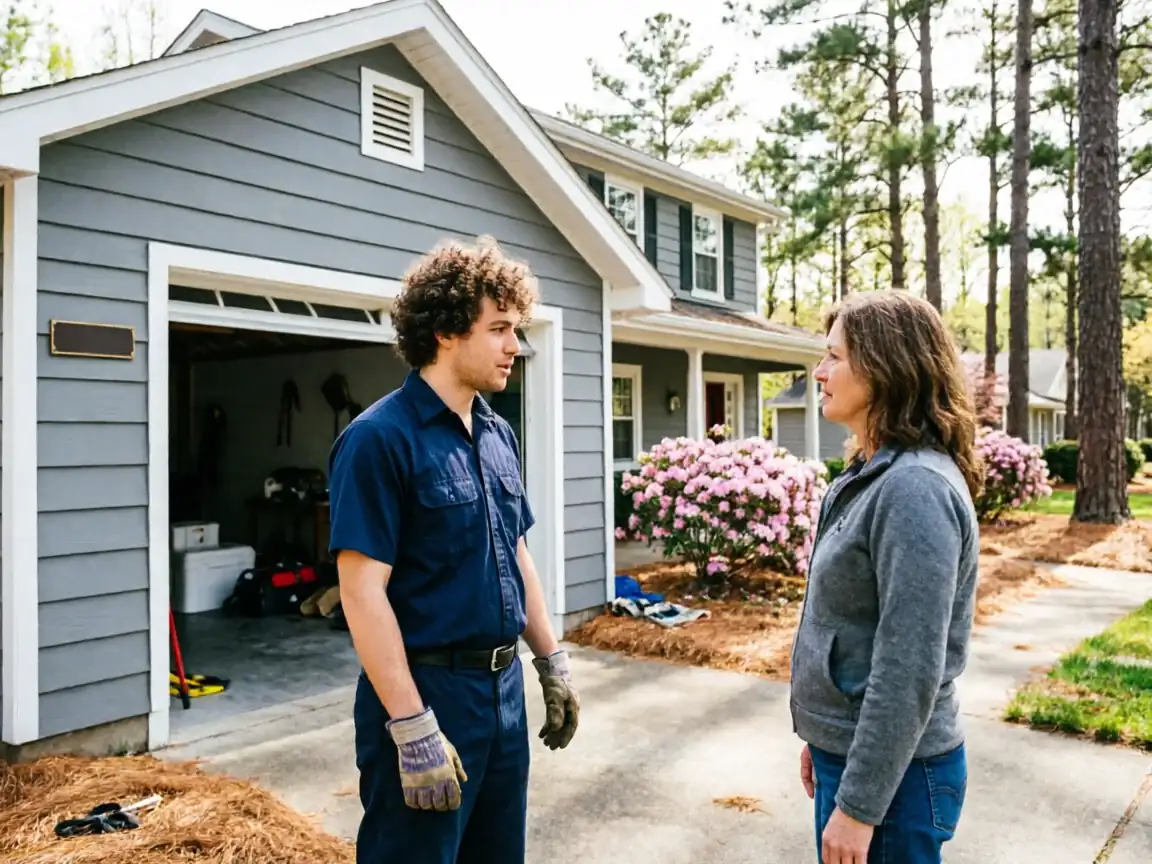
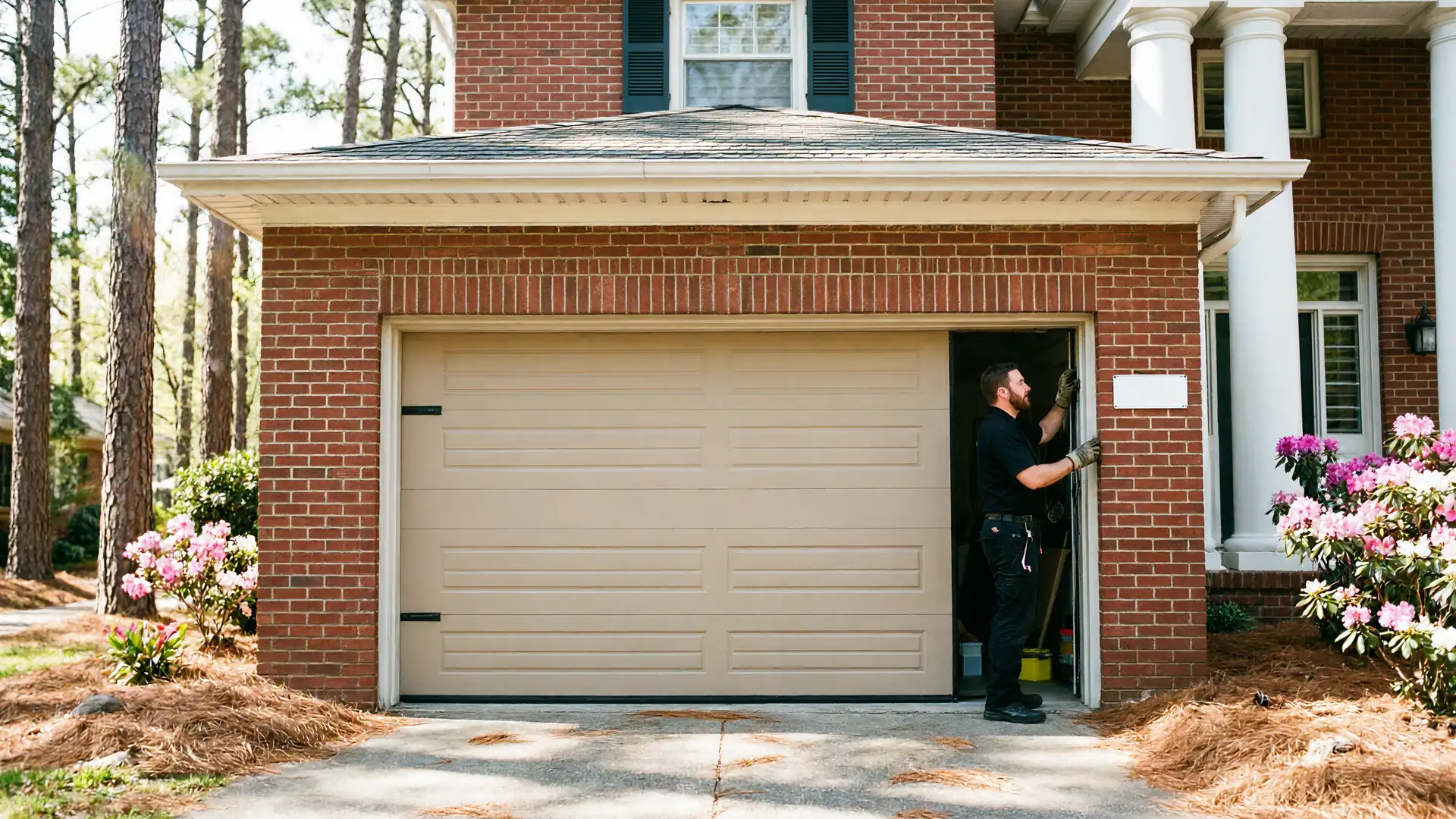
Whoever comes to the door is someone who works on garage doors as the job, not a generalist handyman who also does doors on the side. That's the honest answer, without inventing a headcount or a tenure that isn't on file to back up.
We don't carry every brand's full parts catalog on the truck - nobody does - but the common failure points on the kind of doors found in houses built in this area's main construction era (1960s through early 90s) are stocked as standard. If your door turns out to need something less common, we'll say so rather than charge you for a part swap that isn't actually the fix.
The work itself is straightforward: diagnose on-site, quote before anything gets replaced, and do the repair if it makes sense or tell you plainly when it doesn't. If a door needs full replacement because the track, spring system, and opener are all original from the 1970s and failing together, we'll say that instead of patching it three separate times.
What We Are Called Out For
The most common calls track pretty closely with the age of the housing stock
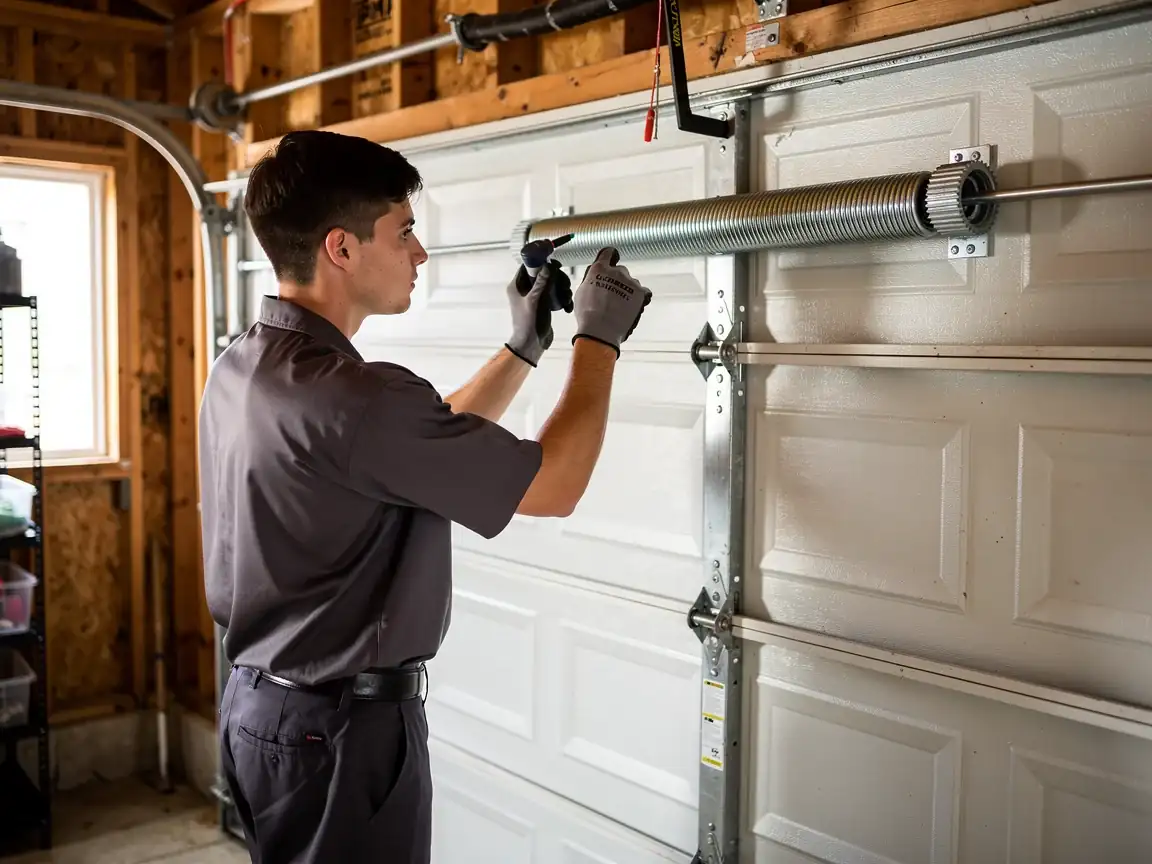
Broken torsion springs top the list, especially on doors original to houses from the 1960s and 70s construction wave that makes up most of the four main residential areas we cover. Those springs have a cycle life, and a door that's been going up and down for decades is simply due.
After springs, it's openers
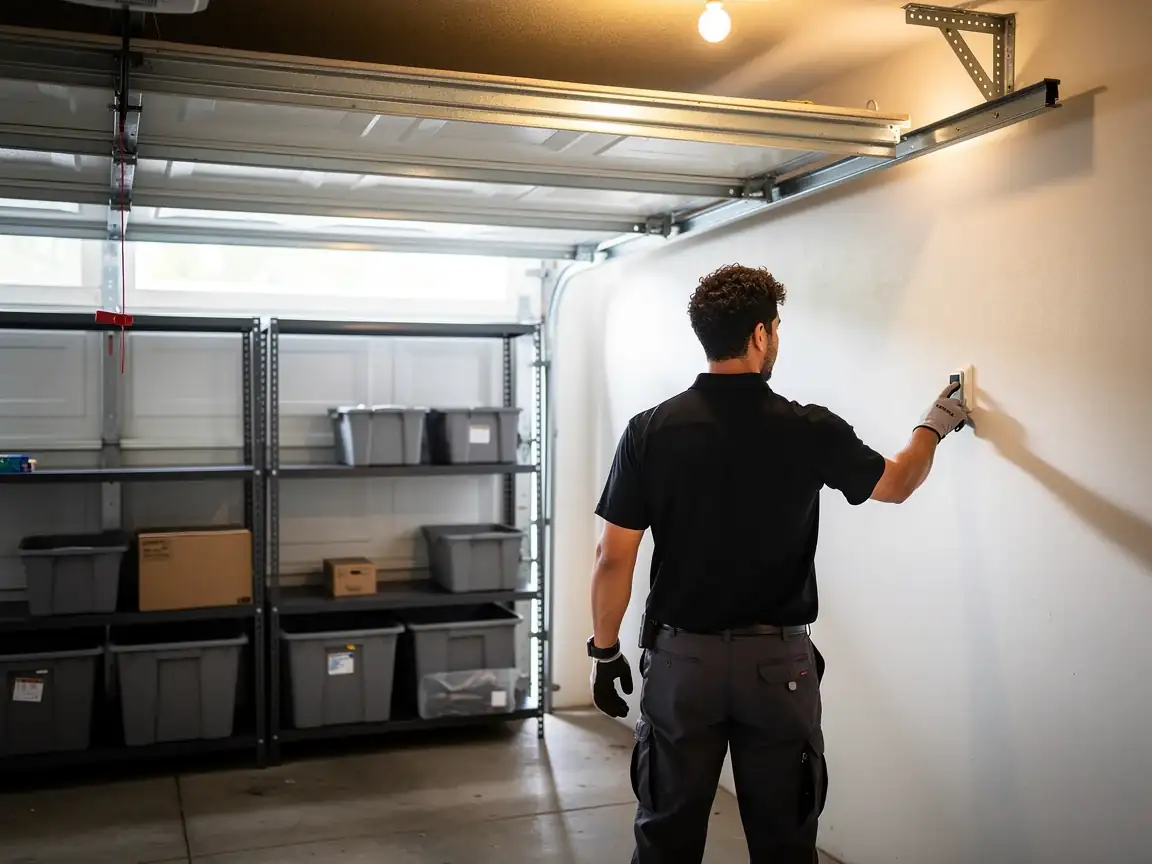
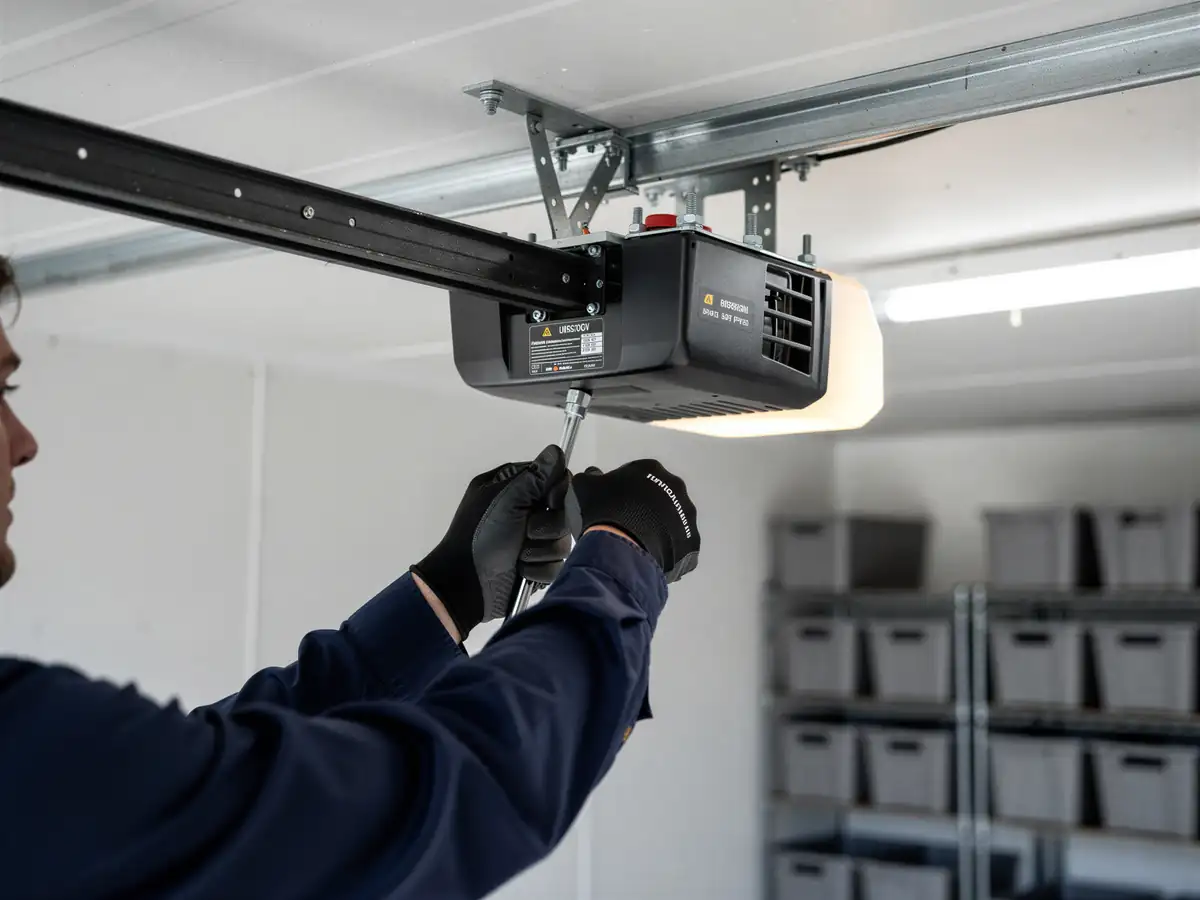
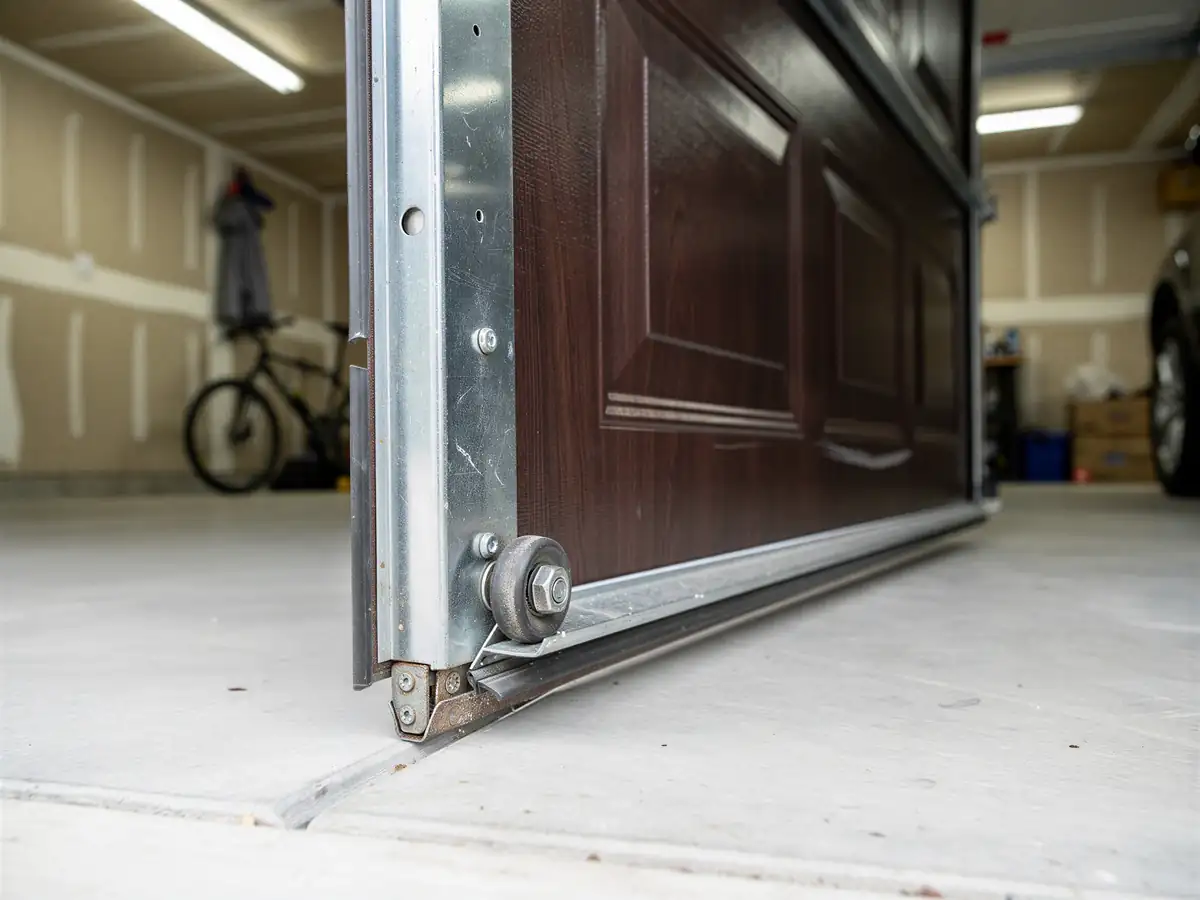
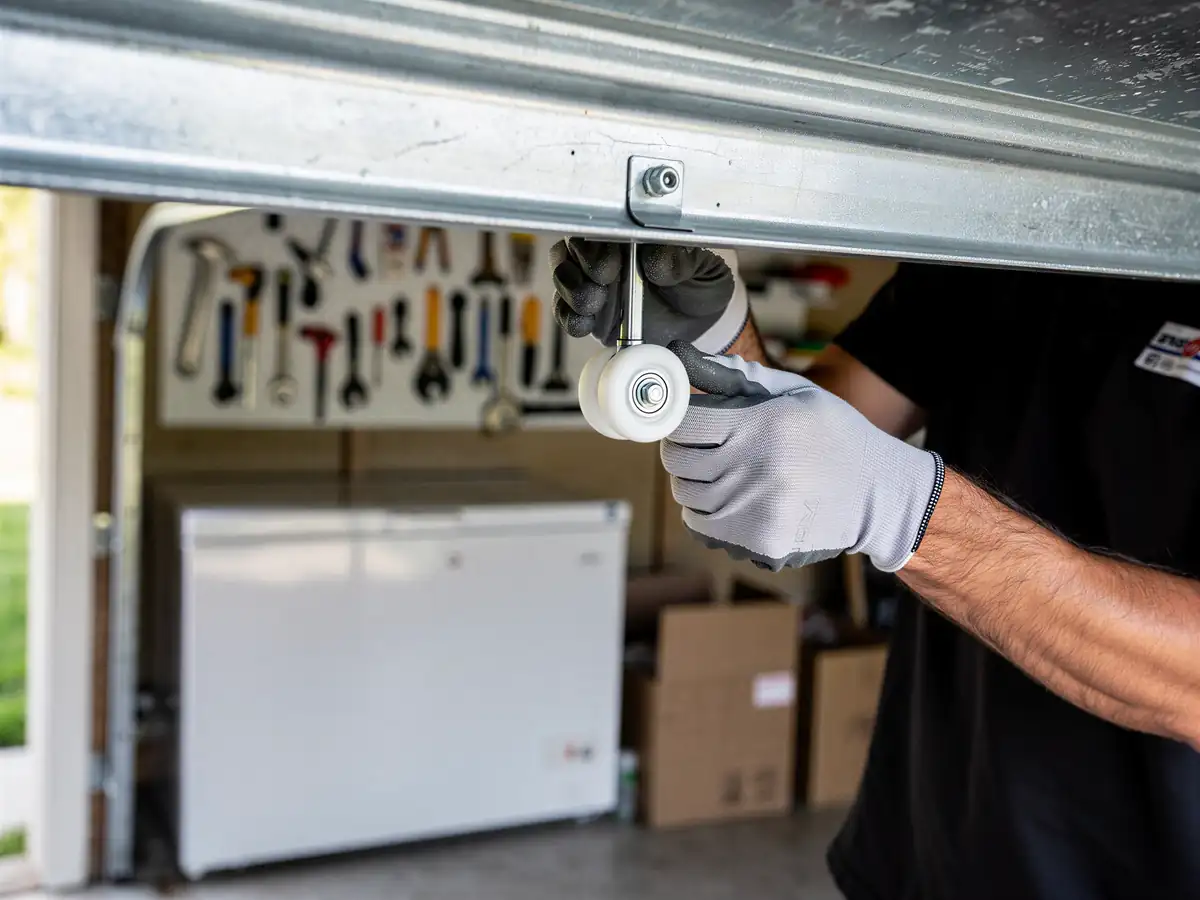
Chain-drive units from past decades that finally give out, or a logic board that's stopped talking to the remote. Bent tracks and off-track doors come in regularly too, usually after someone backs into a closed door or a roller finally gives out from age.
What we don't do is pretend every call is an emergency repair
Some doors brought in for a quick fix are genuinely past the point where patching makes sense, especially when the spring system, track, and opener are all original to a house built decades ago. In those cases the honest answer is replacement, and we'll tell you that instead of running up a repair bill on a door that's on its way out regardless.