What You Are Seeing
A door off track usually shows up one of two ways
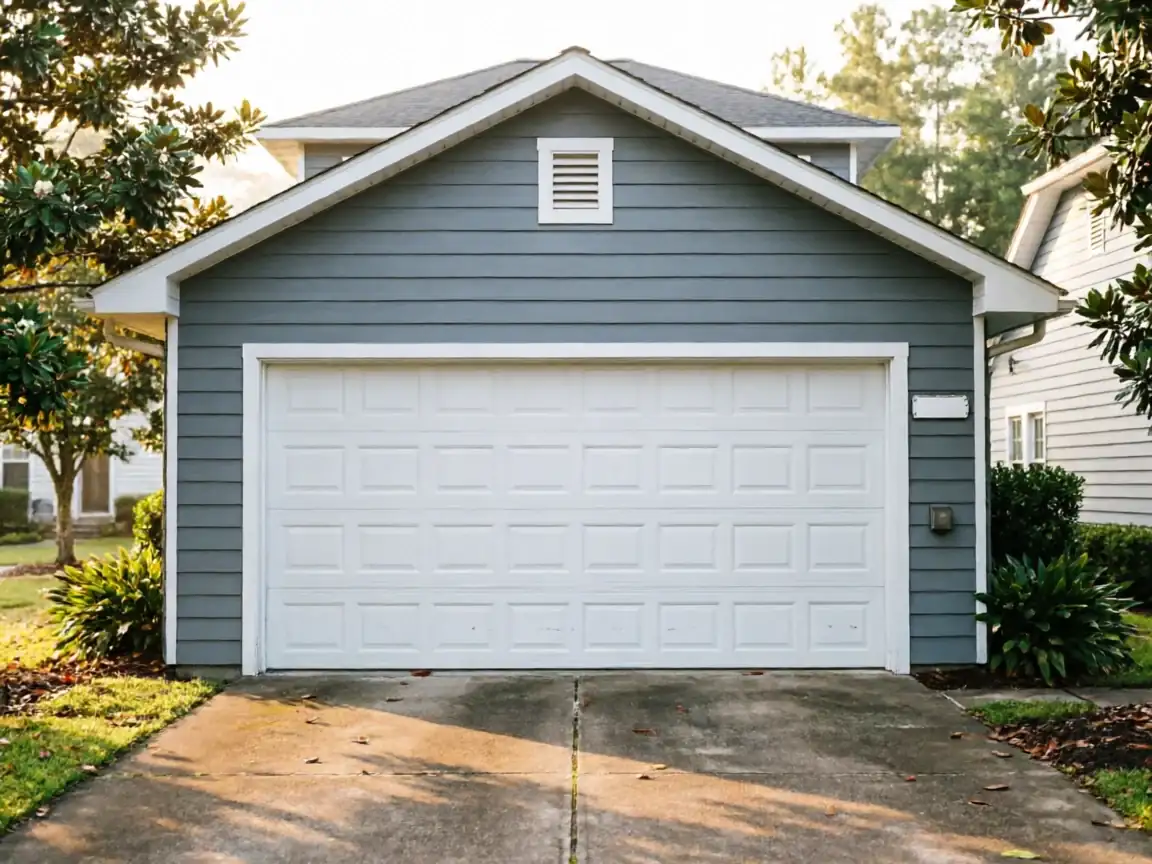
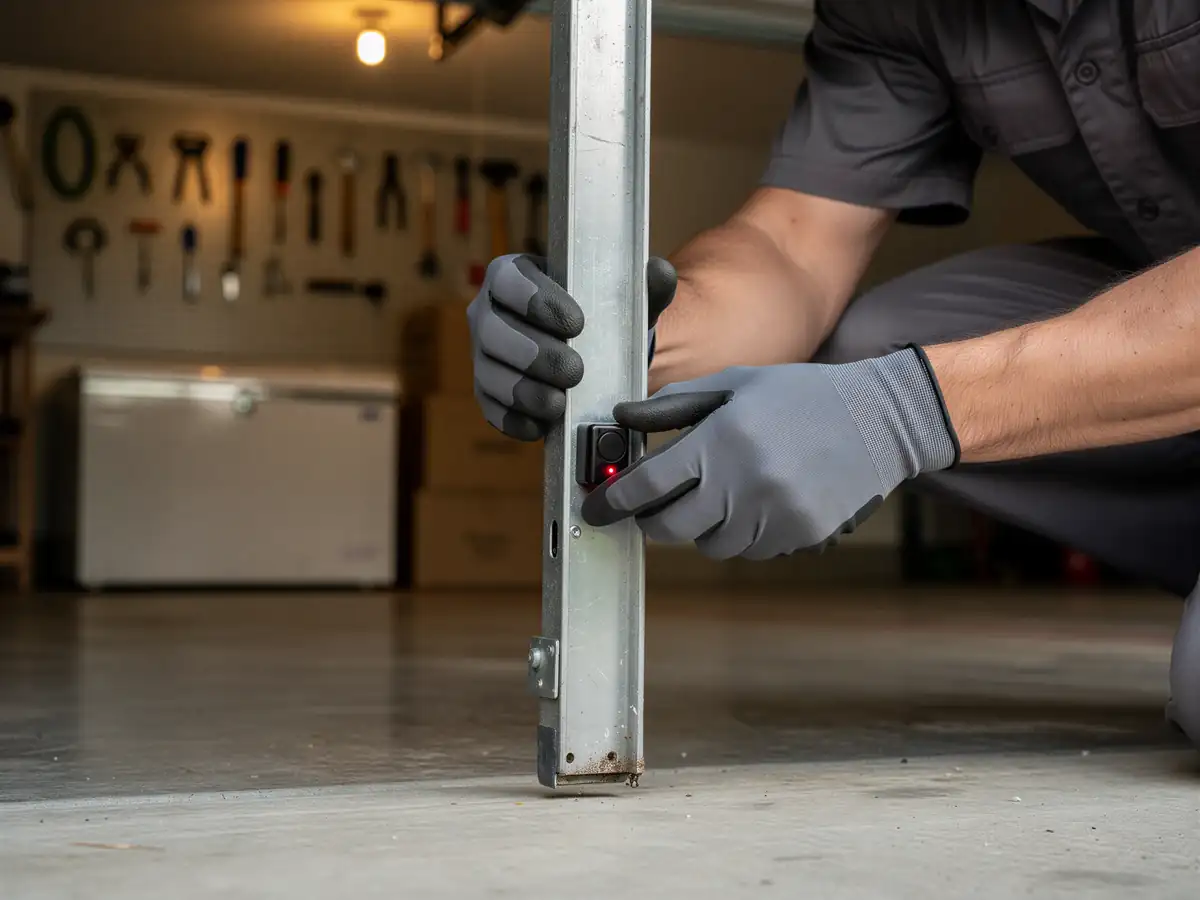
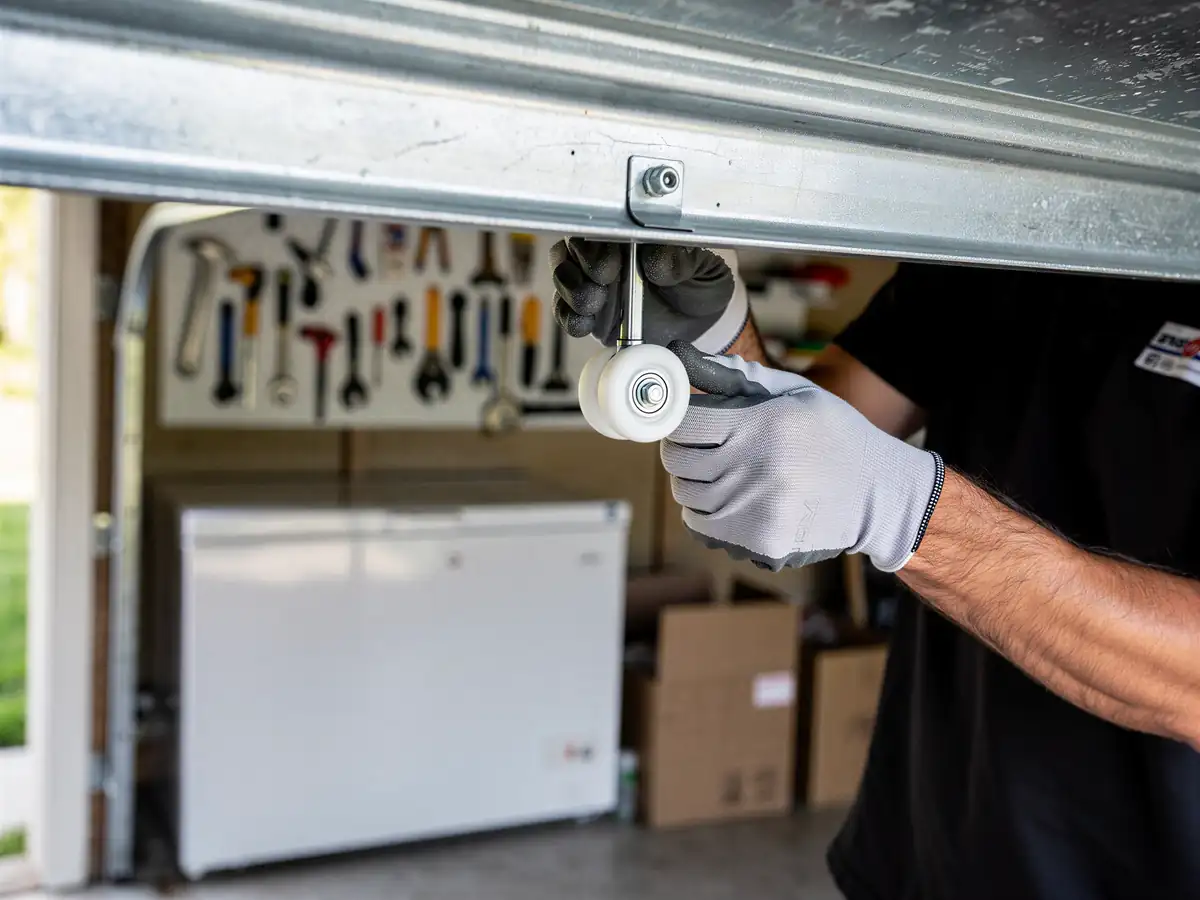
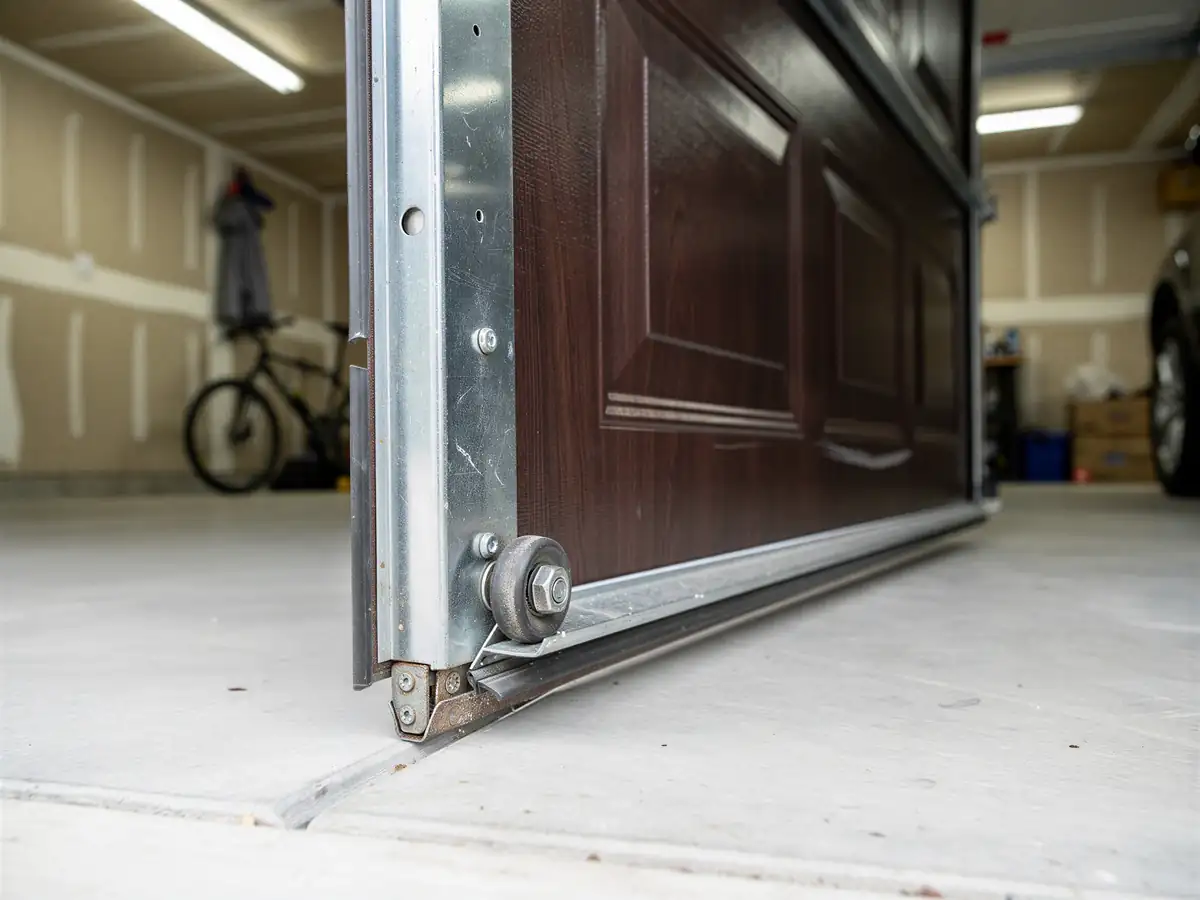
The whole panel is leaning at an angle and won't move, or it moved fine yesterday and this morning one side is riding loose in the track while the other side is still seated. Sometimes a roller has popped clean out of the channel. Sometimes the track itself has pulled away from the bracket that holds it to the frame.
In Statesboro, this is a common call because of what's actually holding these tracks up
Housing in the service area runs mostly 1975 to 1992, with a median build year around 1978, and several of the older pockets of town date back further into 1960s and 70s construction. Track brackets on houses that age were bolted into wood framing that's had forty-plus years to dry out, shrink, and shift a fraction of an inch at a time. That fraction is enough. A roller that used to sit centered in the channel starts riding the edge, catches, and the whole assembly walks sideways until something gives.
If your door is making a grinding or popping noise before it jumps
That's usually the roller already fighting a track that's a little out of true. Worth a call before it comes all the way off.
How Long It Takes
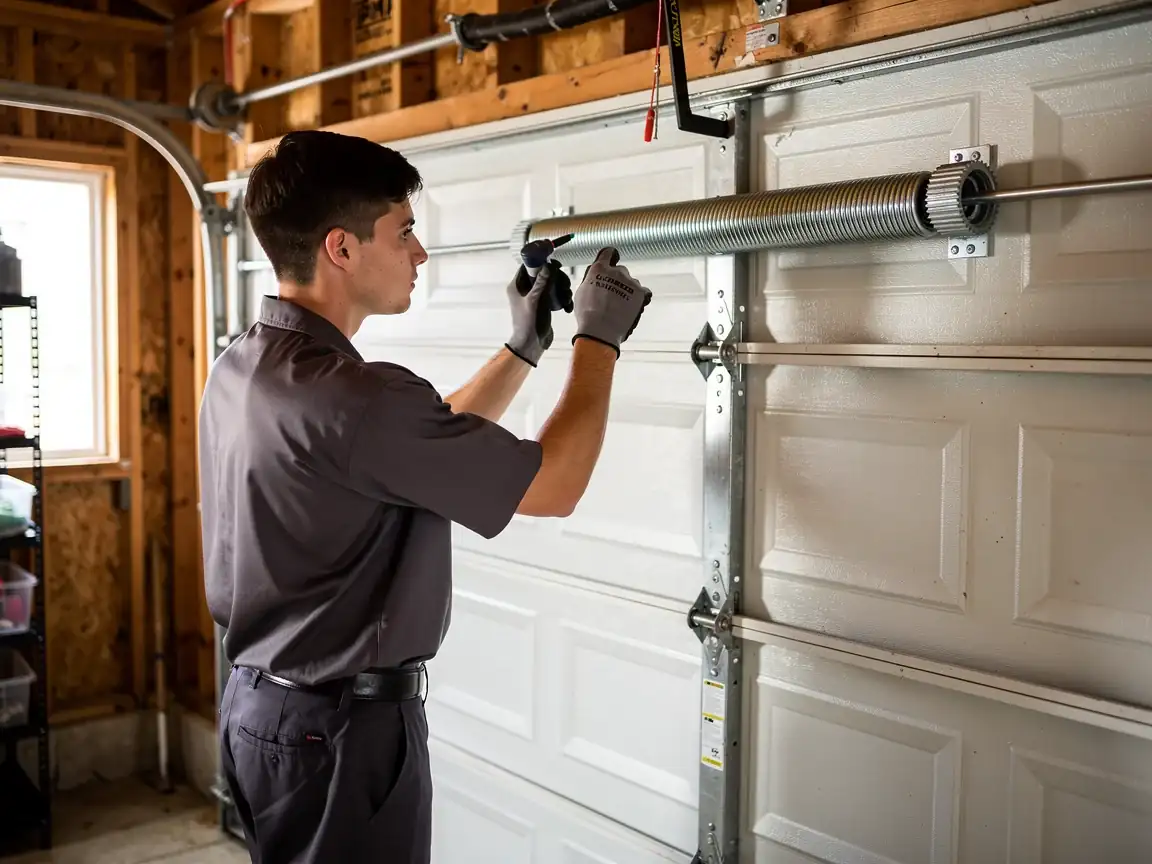
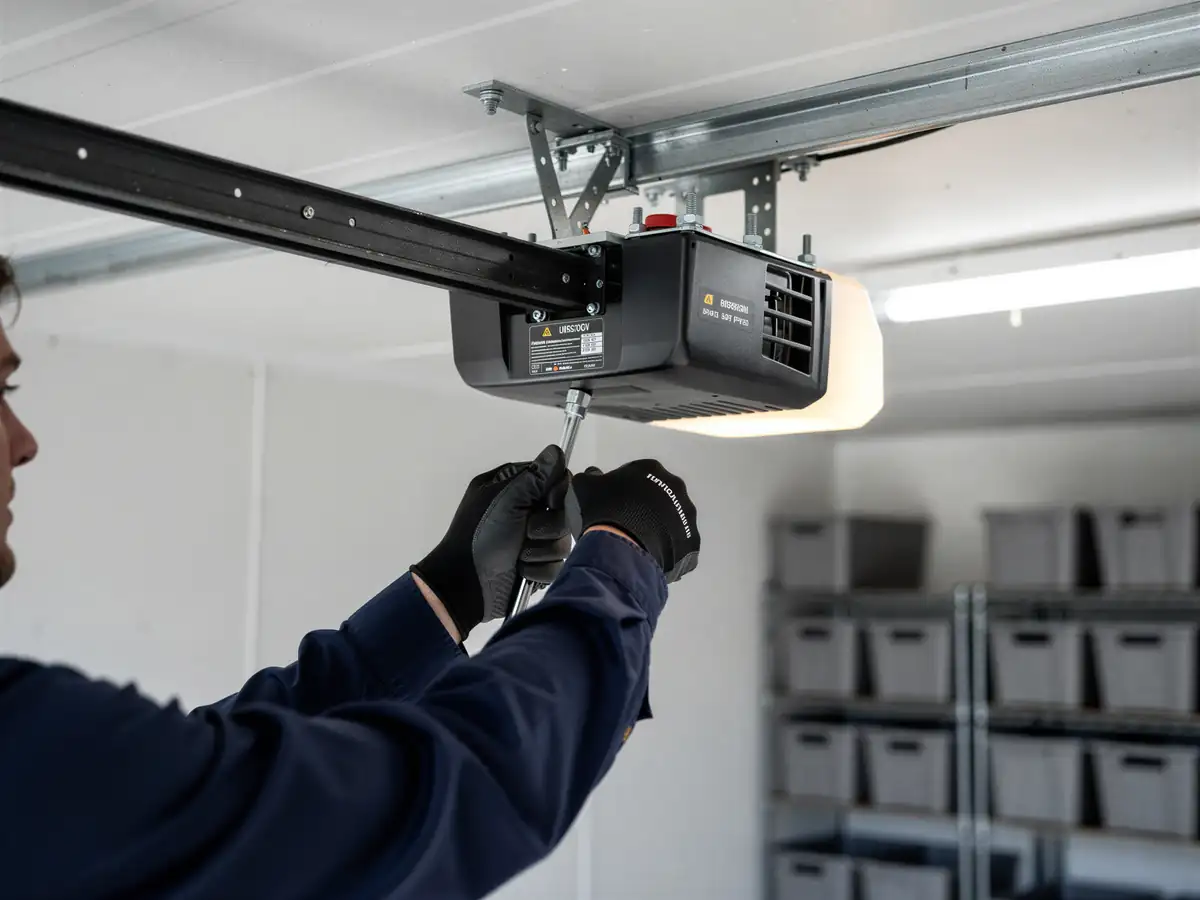
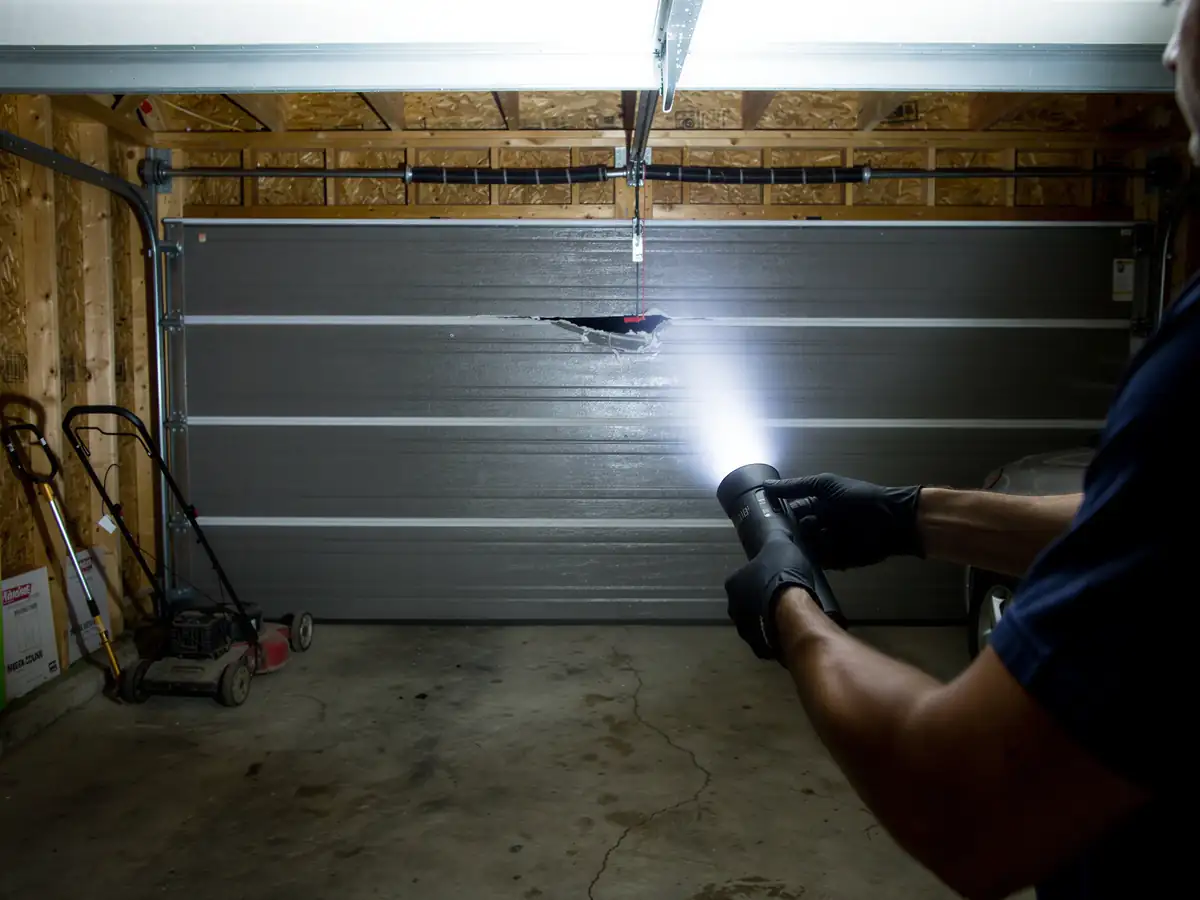
Most off-track calls are a single visit. The door comes down off the opener's power, we get eyes on the actual damage - whether it's a bent track, a pulled bracket, or just rollers that worked loose - and go from there. A clean track with a bent section usually means straightening or swapping that section and resetting the rollers in the channel, which doesn't take long once the door's accessible.
Where it runs longer is when the track pulled away from the frame itself and took wood or fasteners with it. That's a repair to the structure the track mounts to, not just the track, and it needs to be solid before anything gets rehung - rushing that step is how the same failure happens again in six months.
We don't give a blanket number for this because the two scenarios above aren't the same job. What we can tell you on the phone, once you describe what you're seeing - angle of the lean, whether it moves at all, any grinding beforehand - is which category you're probably in before a truck is even on the way.
What Causes It Around Here
Three things line up in this area that don't line up everywhere. First, the housing stock: a lot of Statesboro's service area was built from 1975 to 1992, with the median landing around 1978, and the older sections of town run even further back into 1960s and 70s construction. Track hardware from that era was sized for the doors and openers of the time - lighter panels, lower horsepower - and it's still carrying doors and openers that have been upgraded since, with heavier panels than the original track bracket was ever asked to hold.
Second, the mounting itself. On a lot of these older houses, the track brackets go straight into wood jambs rather than into steel reinforcement. Wood moves with humidity and age in a way steel doesn't, and over four or five decades that movement adds up to bracket screws riding loose in an enlarged hole.
Third, the climate. Statesboro sits in a mild band with the occasional freeze, which isn't the extreme swing you'd get further north, but it's still a daily and seasonal temperature change that works metal fasteners and wood fiber against each other year after year. None of these three causes it alone. Together, on a house of the right age, they're the pattern we see on repeat visits across this area.
What the Repair Takes
Getting a door back on track starts with figuring out whether the track is actually salvageable
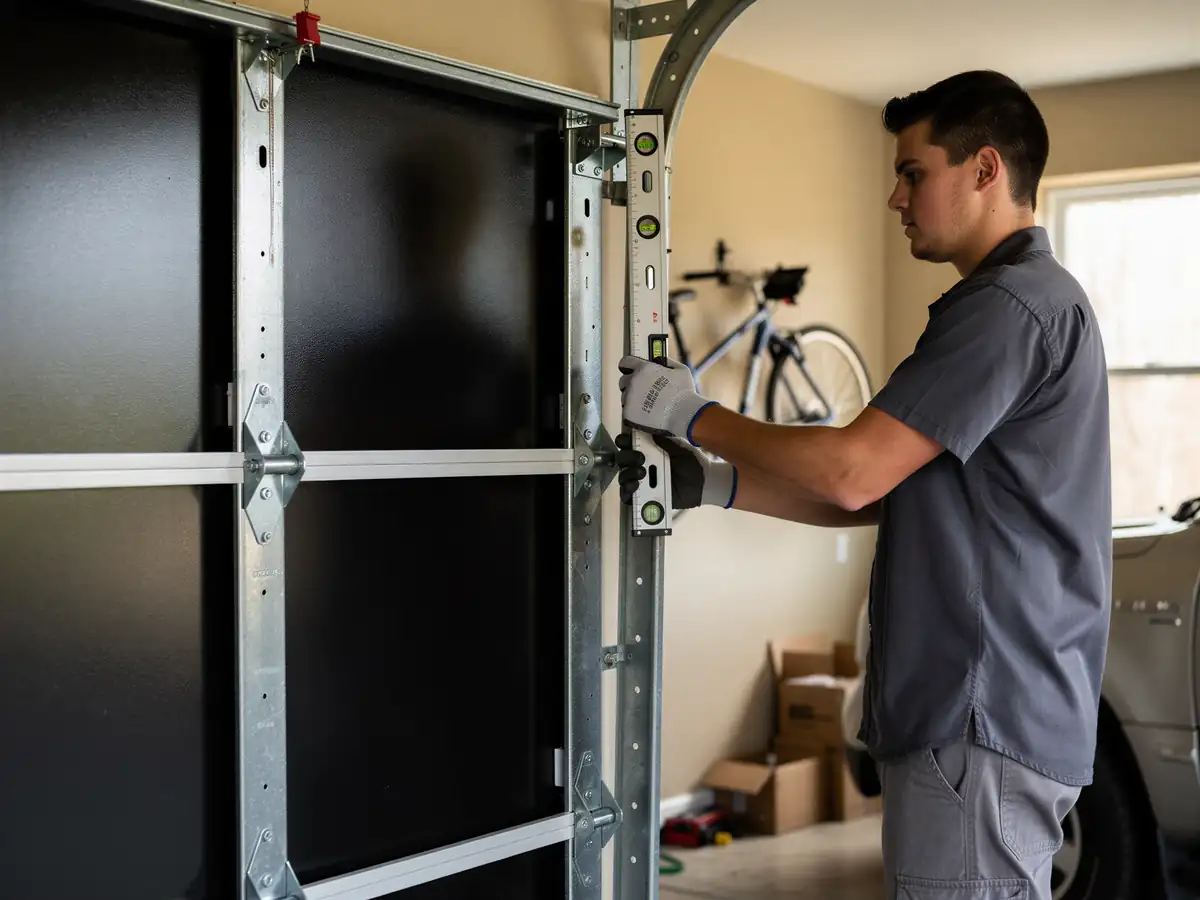
A track that's bent but still straight-ish in cross-section can usually be realigned and rebolted to solid framing. A track that's kinked, crushed, or pulled the bracket clean out of the wood is a different job - at that point we're replacing the section and, if the wood behind it is compromised, reinforcing the mounting point before anything goes back up.
Honest limitation here
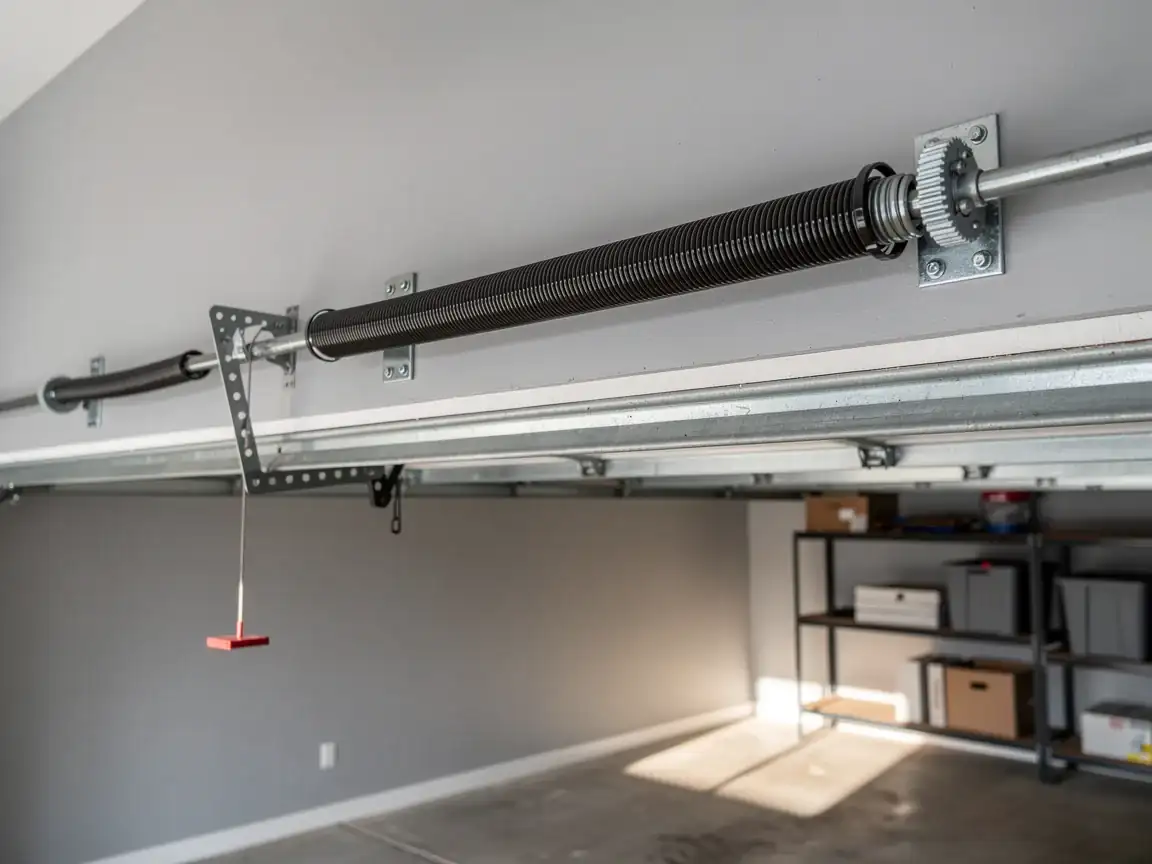
If the door came off track because a cable snapped or a spring failed, putting the track back right doesn't fix the underlying problem - that's a separate repair, and skipping it means the door comes off track again. We'll tell you straight if that's what we're looking at rather than just resetting rollers and sending you on your way.
Once the track and mounting are solid, it's a matter of reseating every roller in the channel
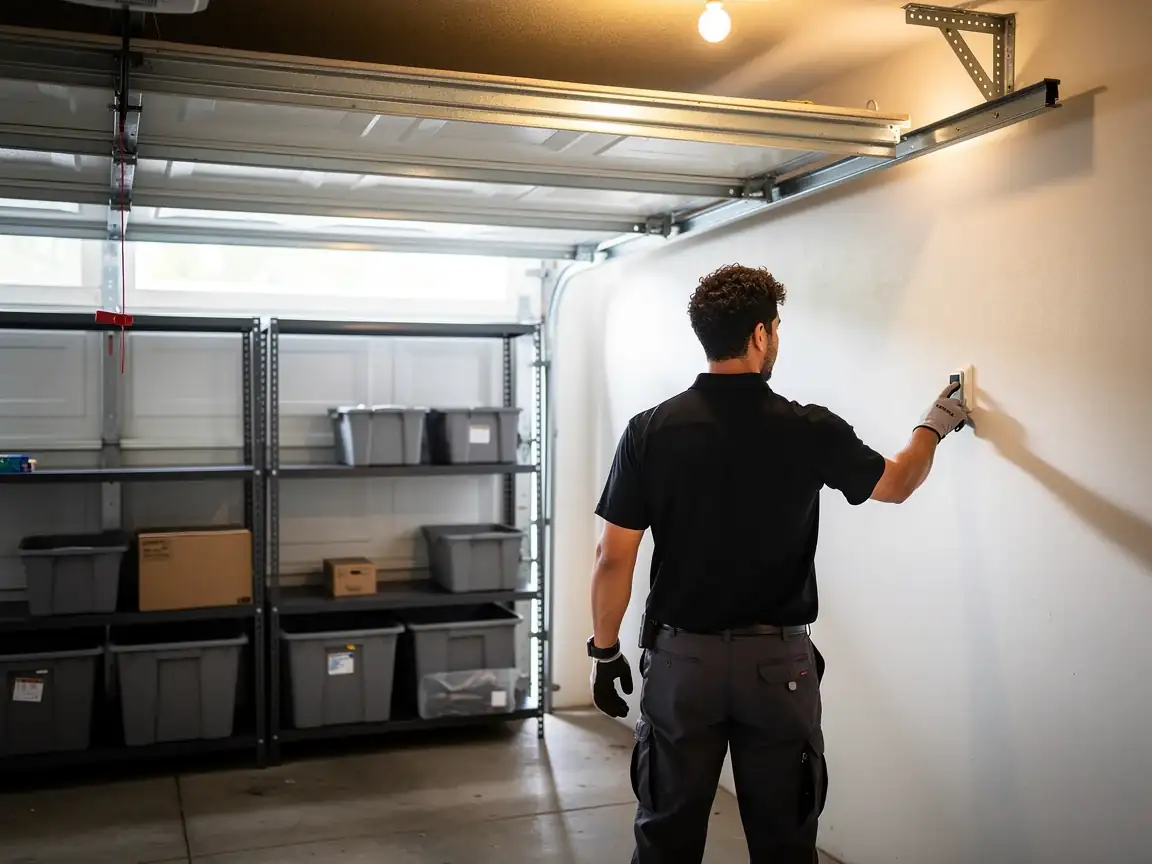
Checking the door travels straight top to bottom with the opener disconnected, then reconnecting power and running it through a full open-close cycle before we call it done. We don't consider the job finished until that full cycle runs clean, not just the first foot of travel.