When to Call Someone
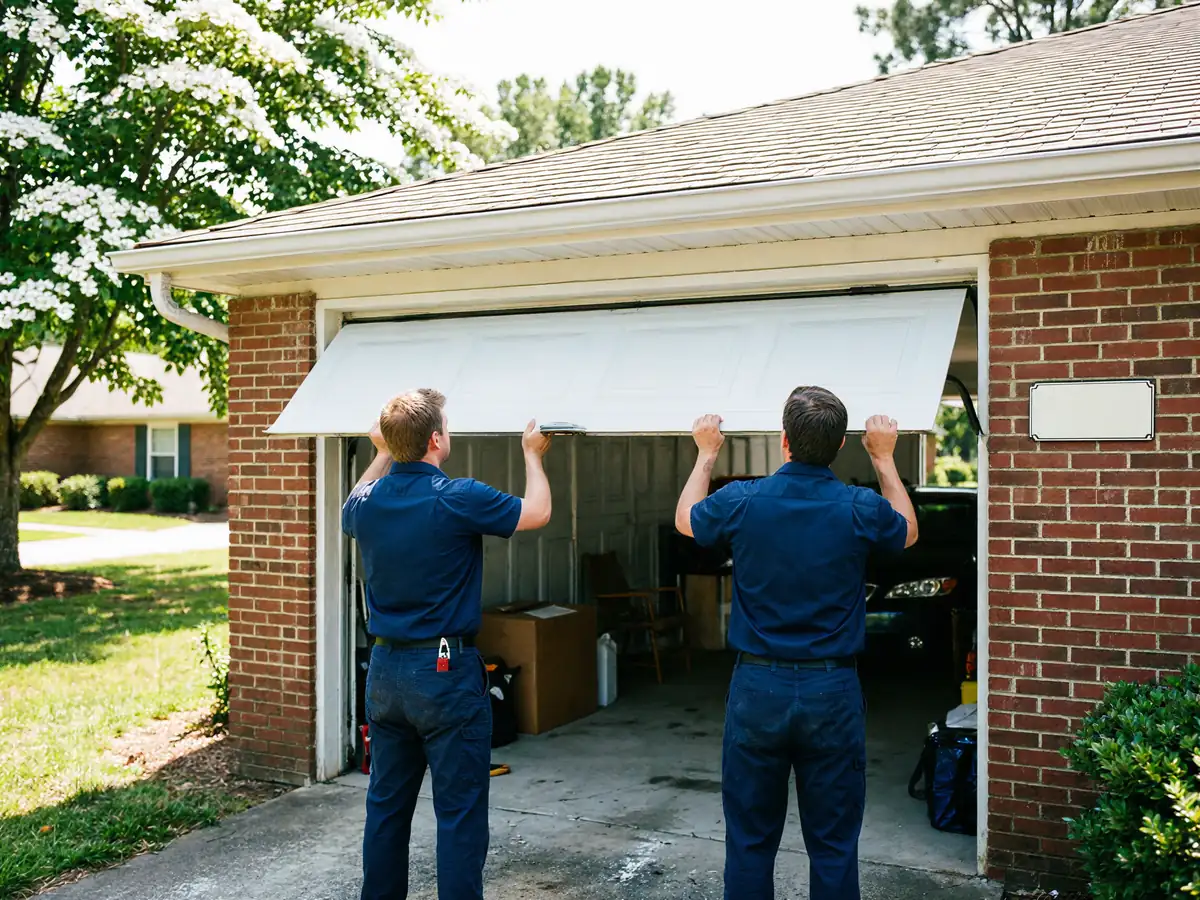
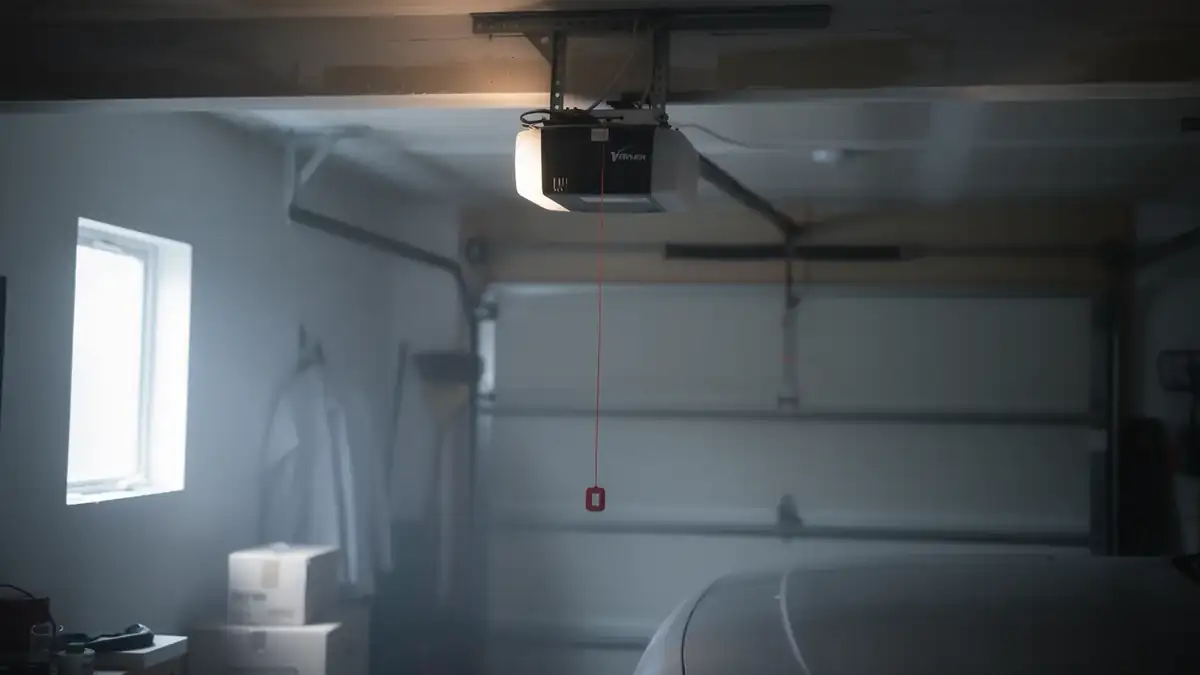
If your door won't budge after a power cut and the manual release cord hangs loose but the door still won't lift by hand
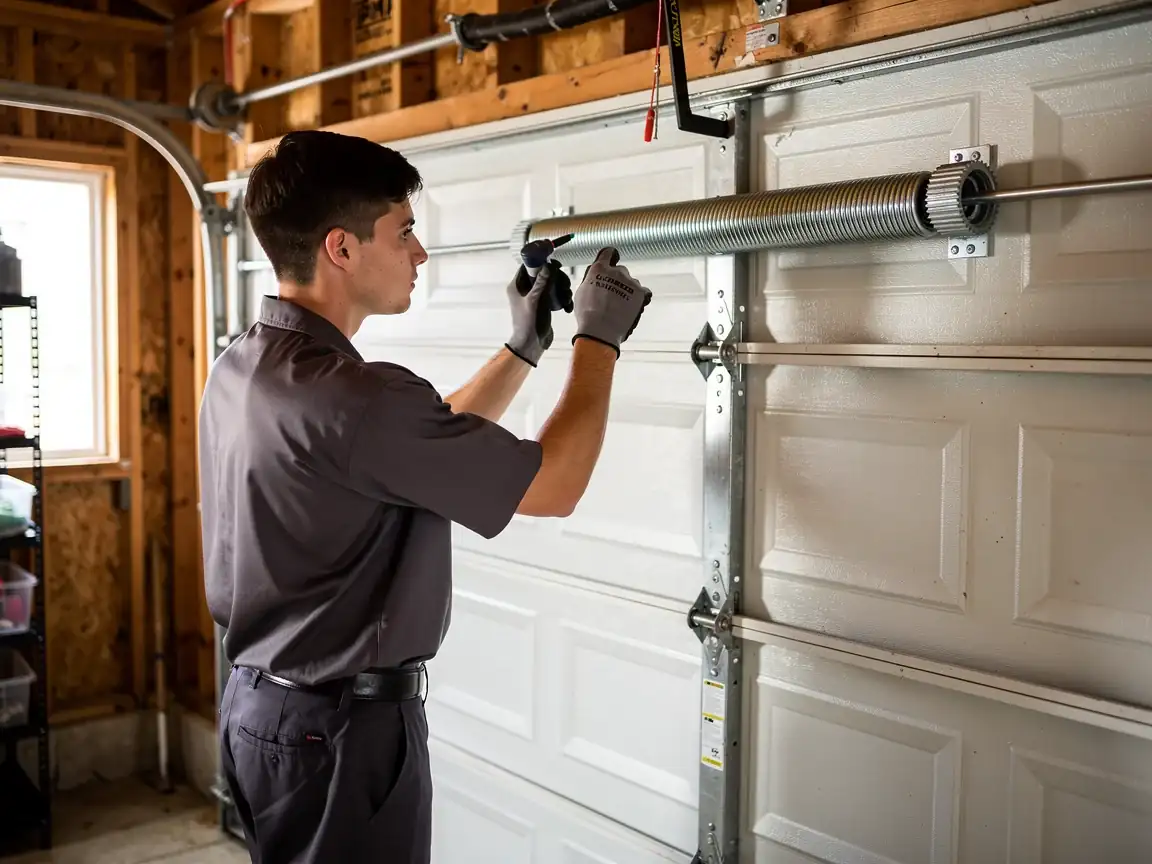
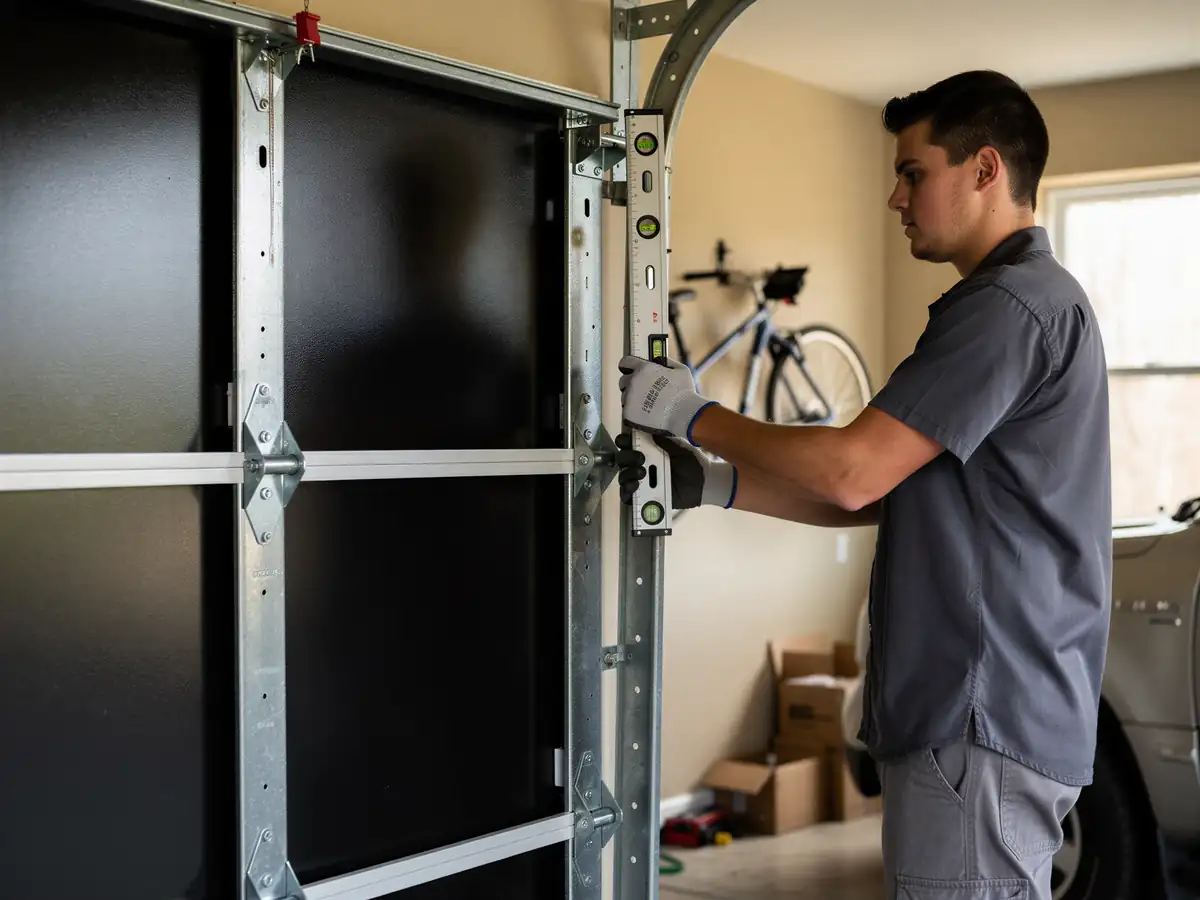
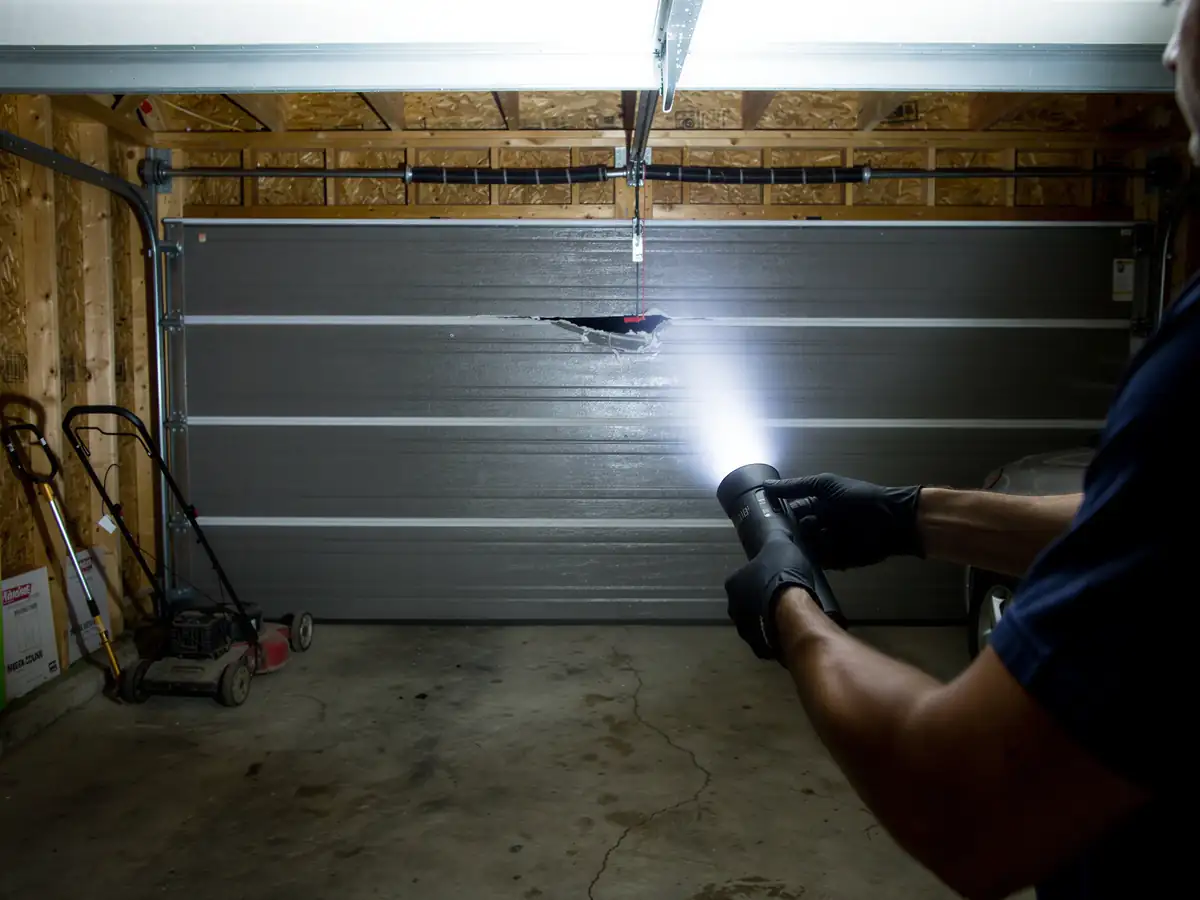
Stop pulling on it. That's not an opener problem anymore - that's a spring that let go, and on a lot of Statesboro houses built in the 1975-1992 run, those springs have never been swapped out. A torsion spring under tension is not a DIY fix, full stop. Same goes if you hear a bang before the door freezes in place; that's usually the spring, not the motor.
Call sooner rather than later if the opener runs but the door doesn't move at all
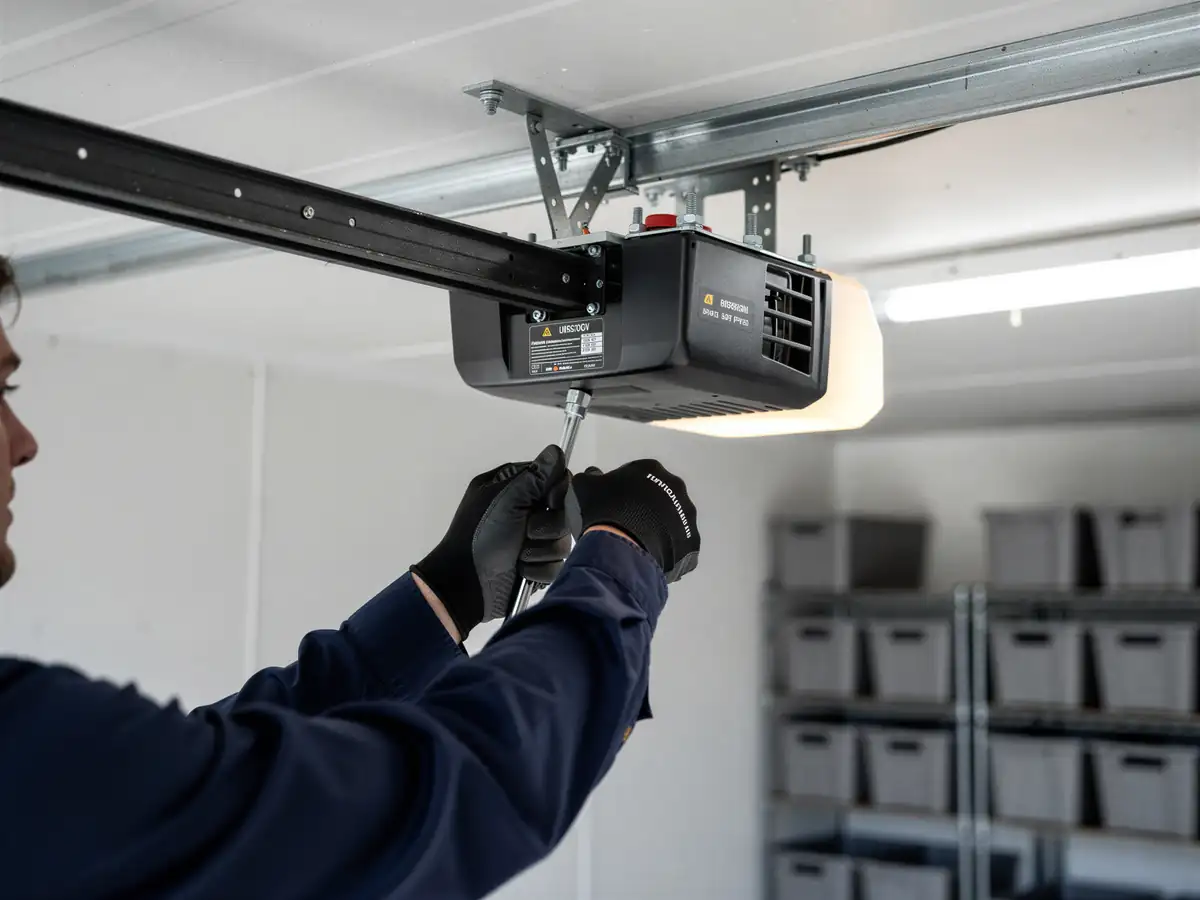
Or moves a few inches and reverses. On houses from that same build era, the chain or belt drive units installed then are old enough that worn gears or a stripped sprocket are common, and pushing through it with the wall button just finishes the job for us at a worse time. If you're on one of the older streets running 1960s-70s stock, the wiring behind the opener may also predate anything you want to troubleshoot yourself.
Checking It Yourself
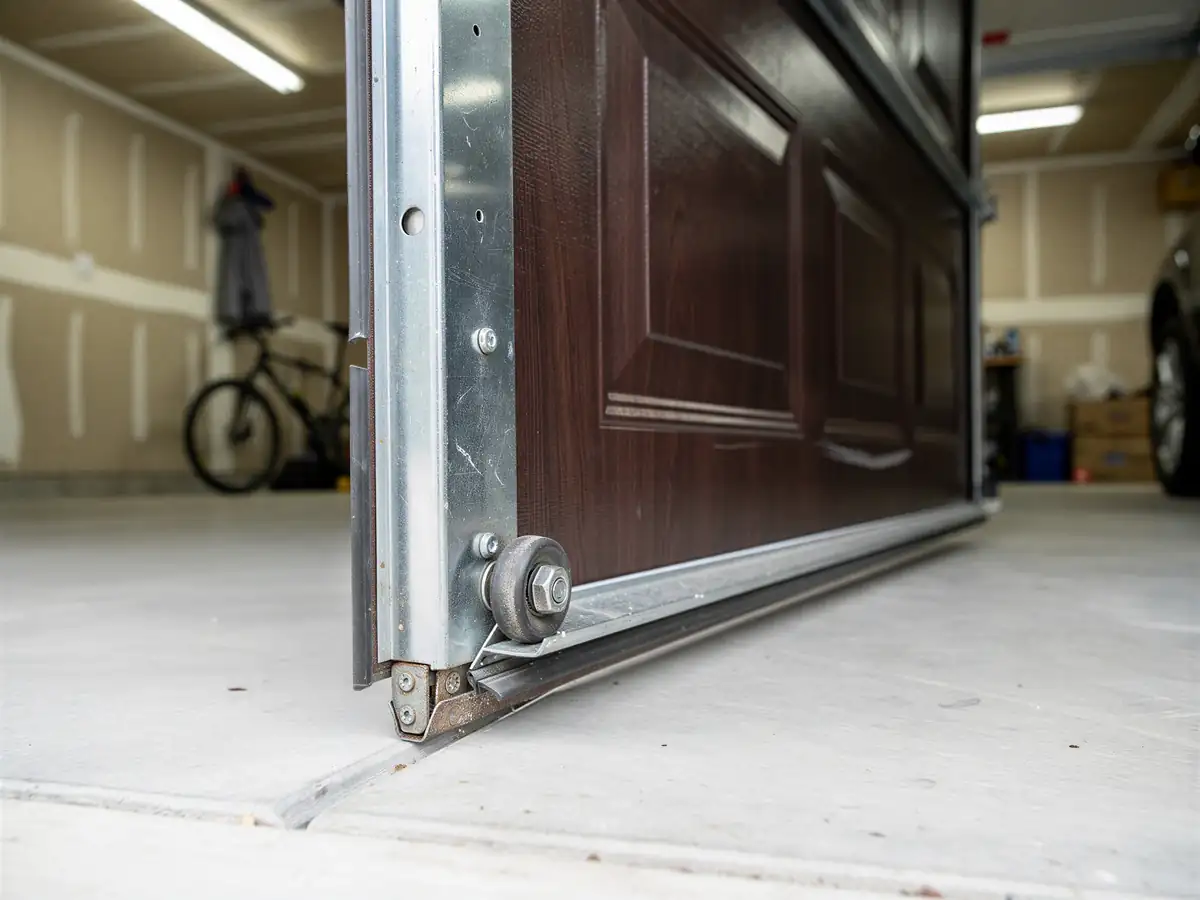
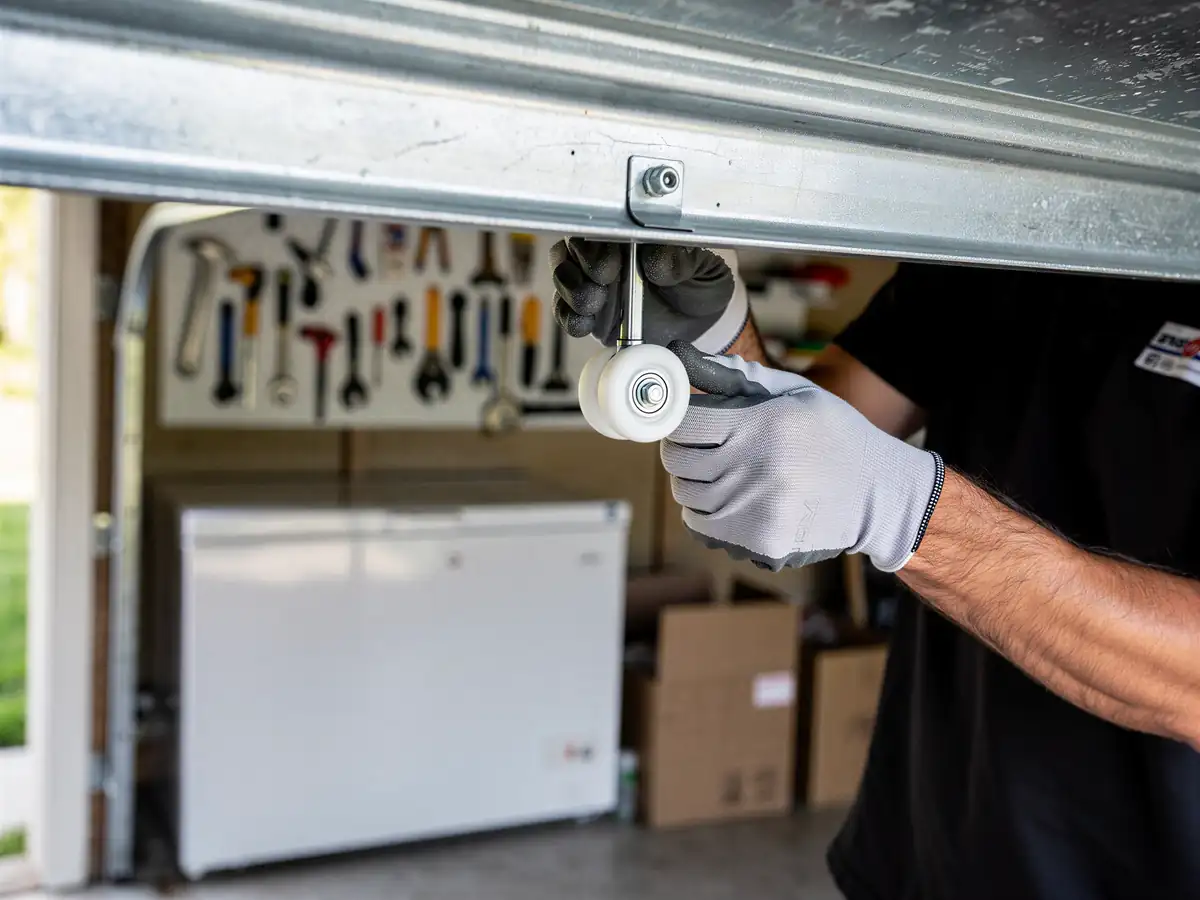
Before you assume the opener itself is dead, check two things anyone can check. First, is the outlet it plugs into actually live - a tripped GFCI near the garage is a common, boring answer to a dead opener. Second, pull the manual release and try lifting the door by hand. If it's heavy or uneven, you've found a spring or cable issue, not an electrical one, and that changes what kind of call you're making.
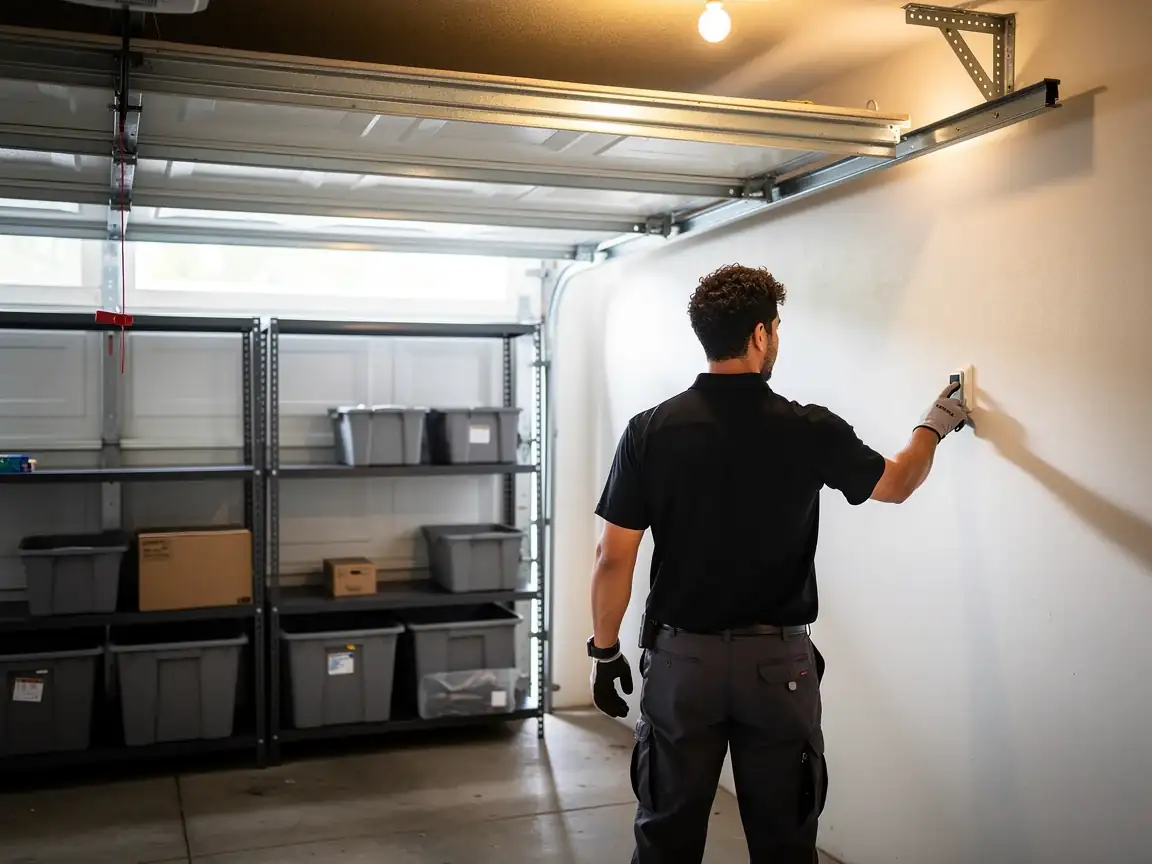
After any outage, check the wall console and the remote both still work once power's back - sometimes the logic board needs the unit re-synced, especially on units pushing 20-plus years that came standard in houses built mid-median (1978) for this area. If the light on the opener blinks a set number of times, that's a diagnostic code worth writing down before you call anyone, us included. We can't promise every code means the same thing on every model, so have the opener's brand and age handy.
The Situation
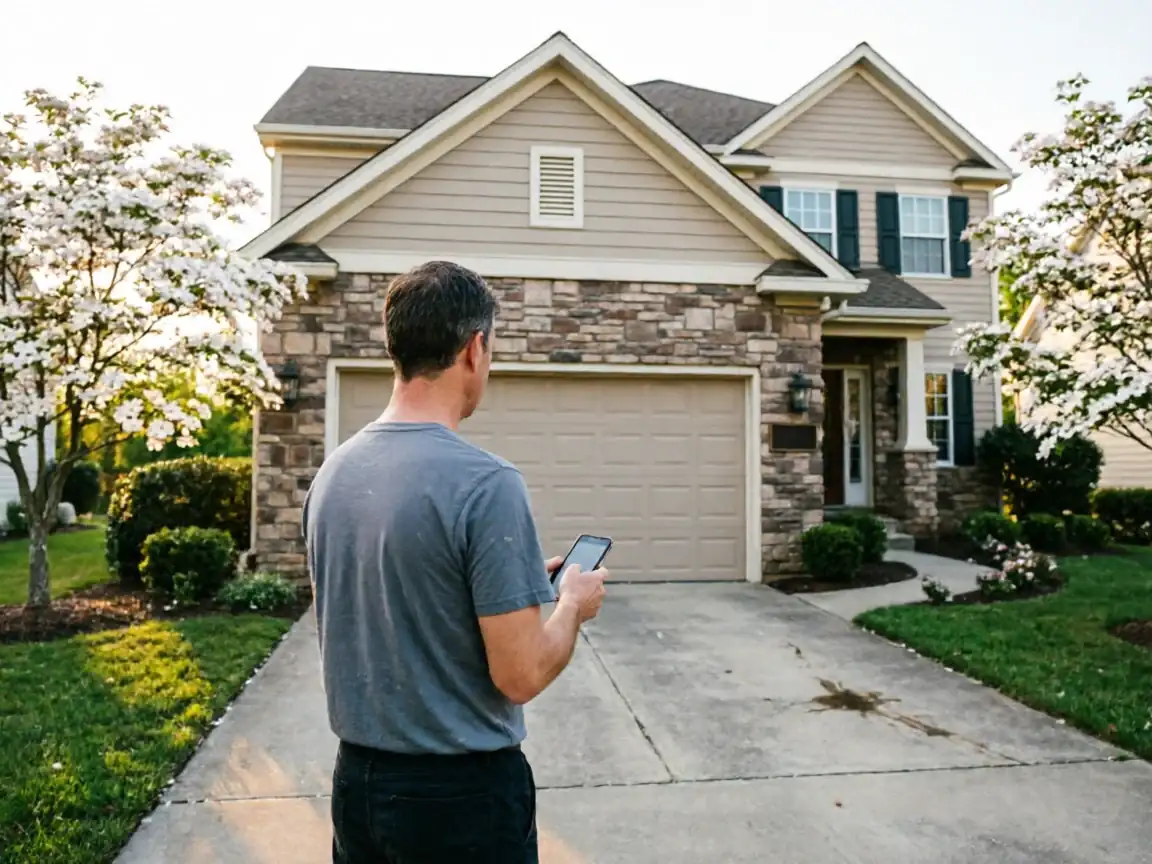
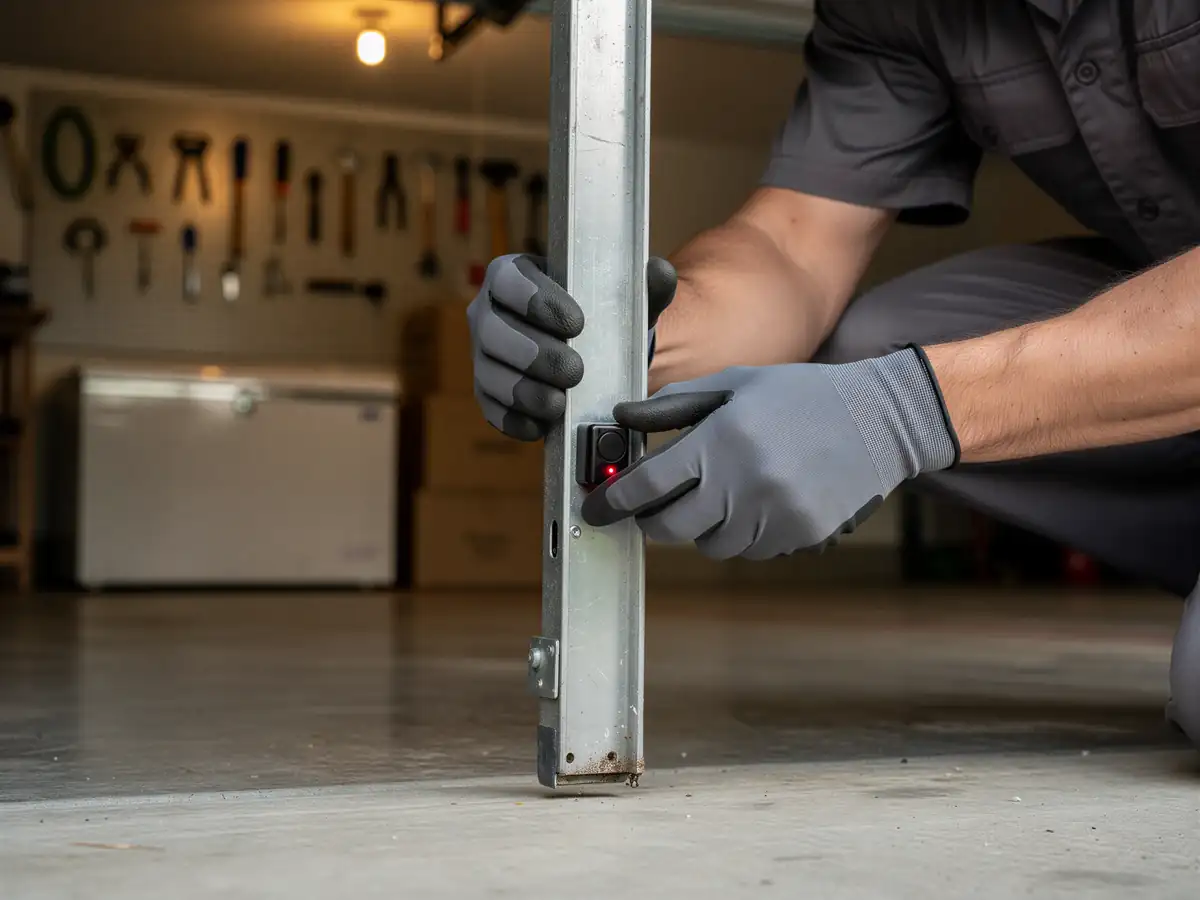
A fair share of the houses we see service calls on here were built between 1975 and 1992, with a median around 1978, which puts a lot of original or first-replacement openers well past their expected working life. Across the four older pockets of housing stock that date to the 1960s and 70s, we see openers that were clearly installed once and never touched again - no lubrication, no safety sensor check, nothing.
That matters because an opener that's been ignored for decades doesn't fail gracefully. It fails during a storm, during a power blink, during the one week you need the garage to actually open. With 1,179 owner-occupied houses in the area we cover, a good number of them are sitting on hardware from that same build window, which is worth knowing if you're wondering why your neighbor's door and yours are acting up in the same year.
How Local Conditions Play In
The climate here runs mild with the occasional freeze
Which is gentler on openers and springs than a true hard-winter market, but it's not nothing. A surprise freeze snapping into otherwise mild weather is exactly the kind of temperature swing that stiffens old lubricant and makes a tired spring snap instead of stretch. That's different from constant deep cold, which at least keeps everything consistently stiff - here, the swing itself is the stressor.
Power cuts tied to storms are also the moment an old battery backup (if the opener even has one) gets tested for the first time in years
And that's usually when you find out it's dead. We don't stock every battery backup pack for every model, so if yours is old enough that the manufacturer's changed hands twice, expect a wait on the part rather than a same-visit fix. That's the honest limit - we can diagnose fast, we can't always source parts fast for openers from that 1970s-80s window.