What You Are Seeing
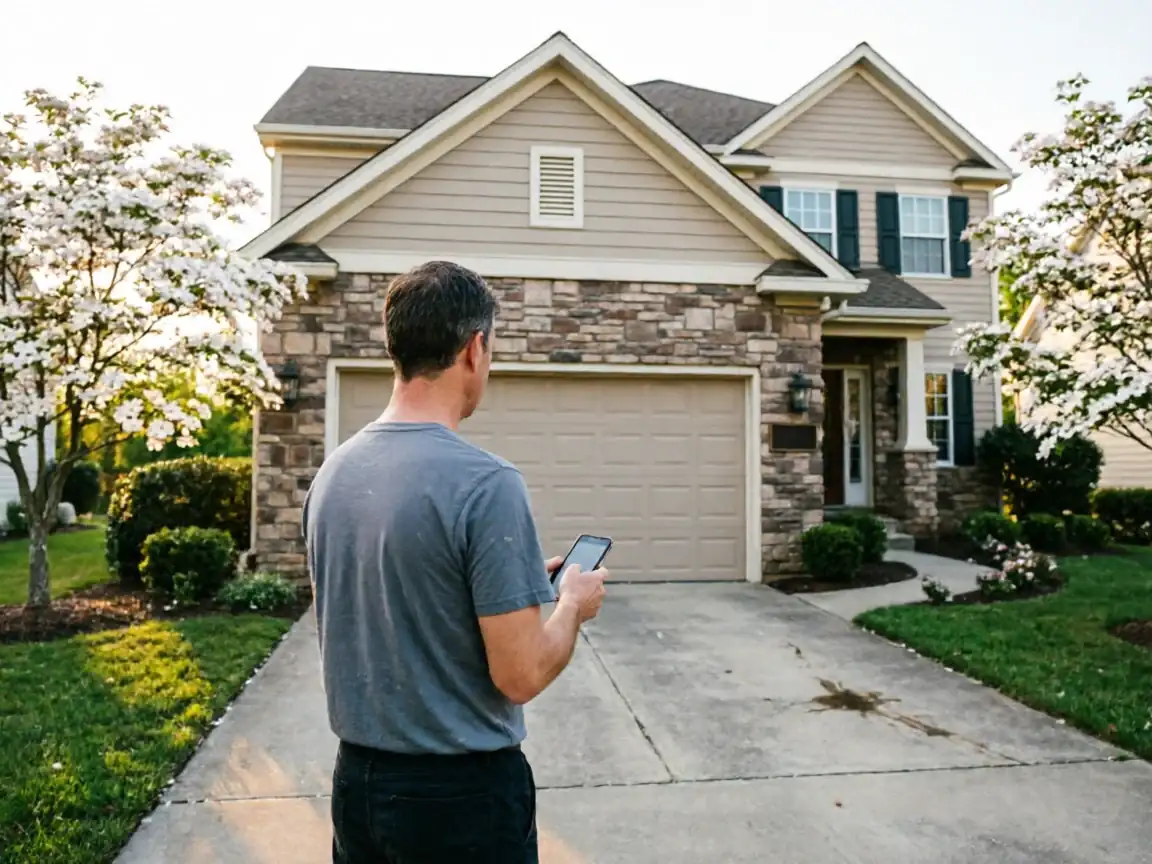
If your door won't budge, slams down on its own, or the opener grinds and stops partway
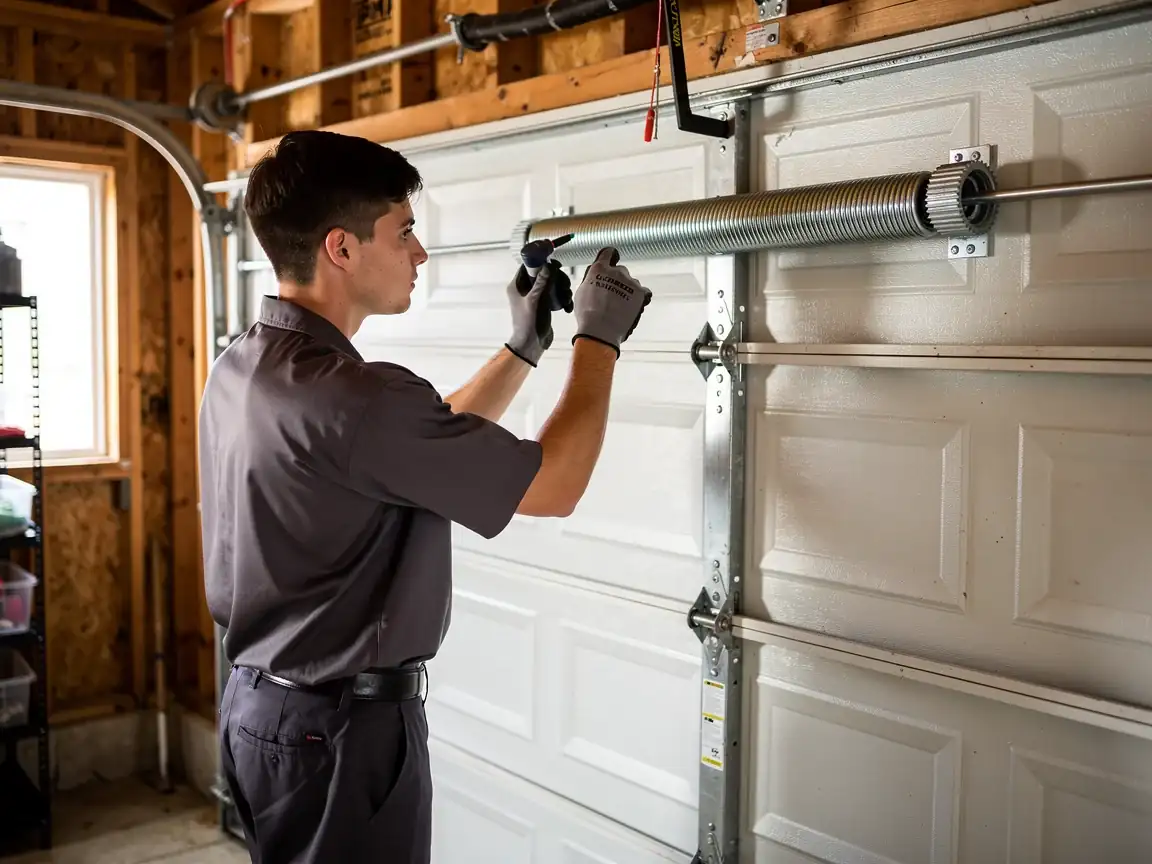
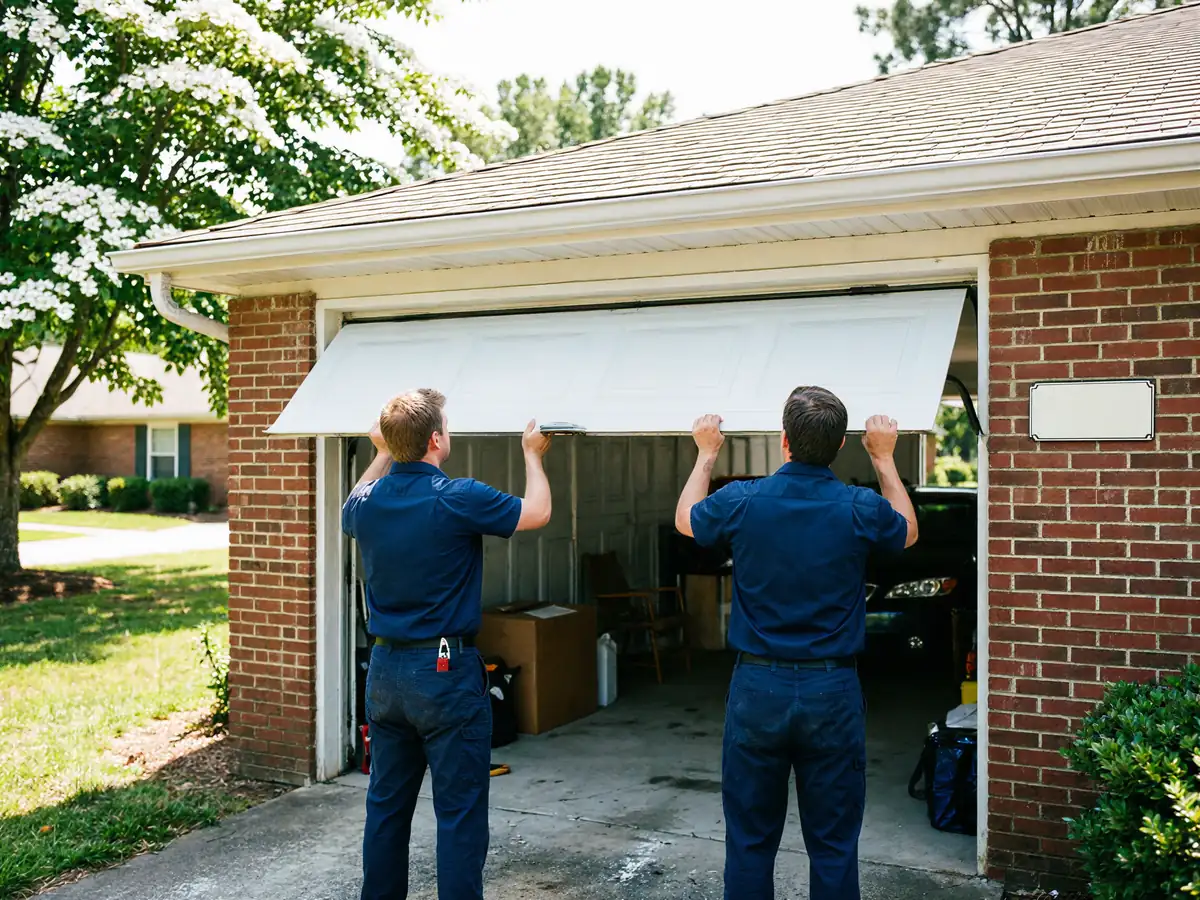
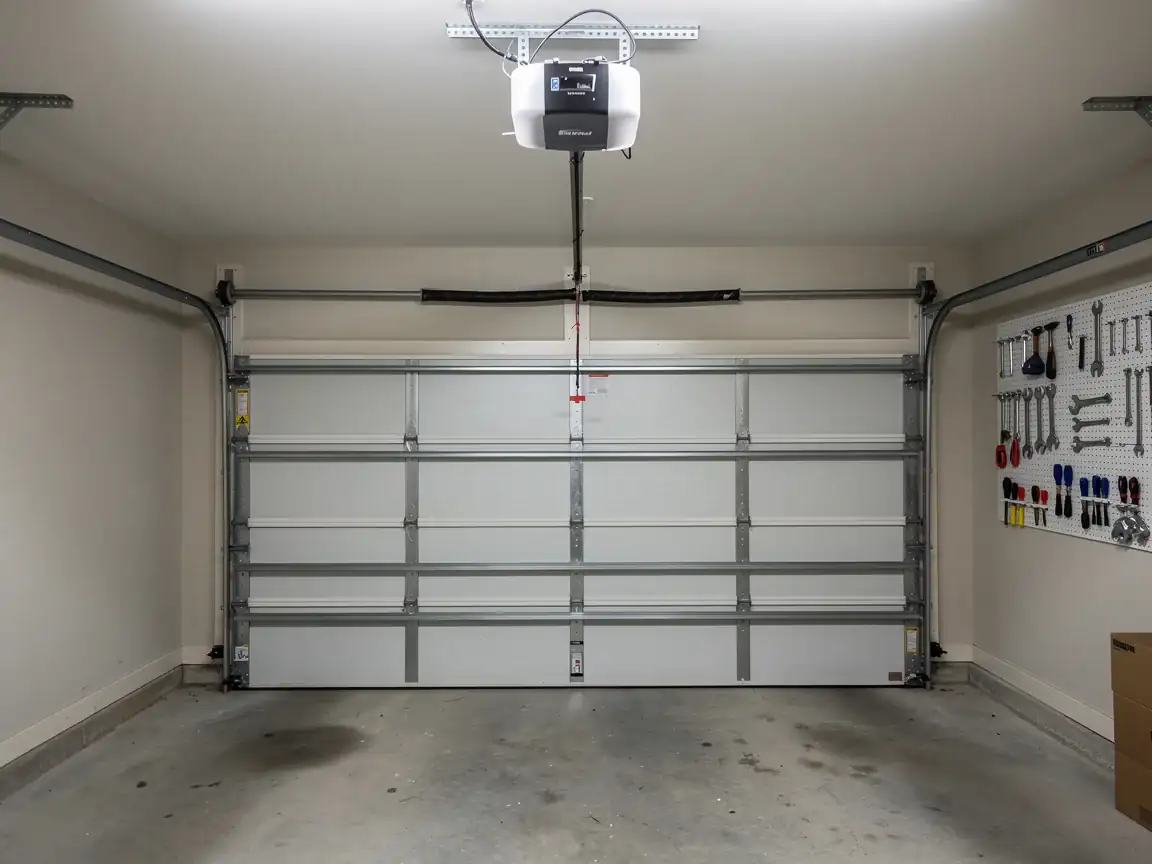
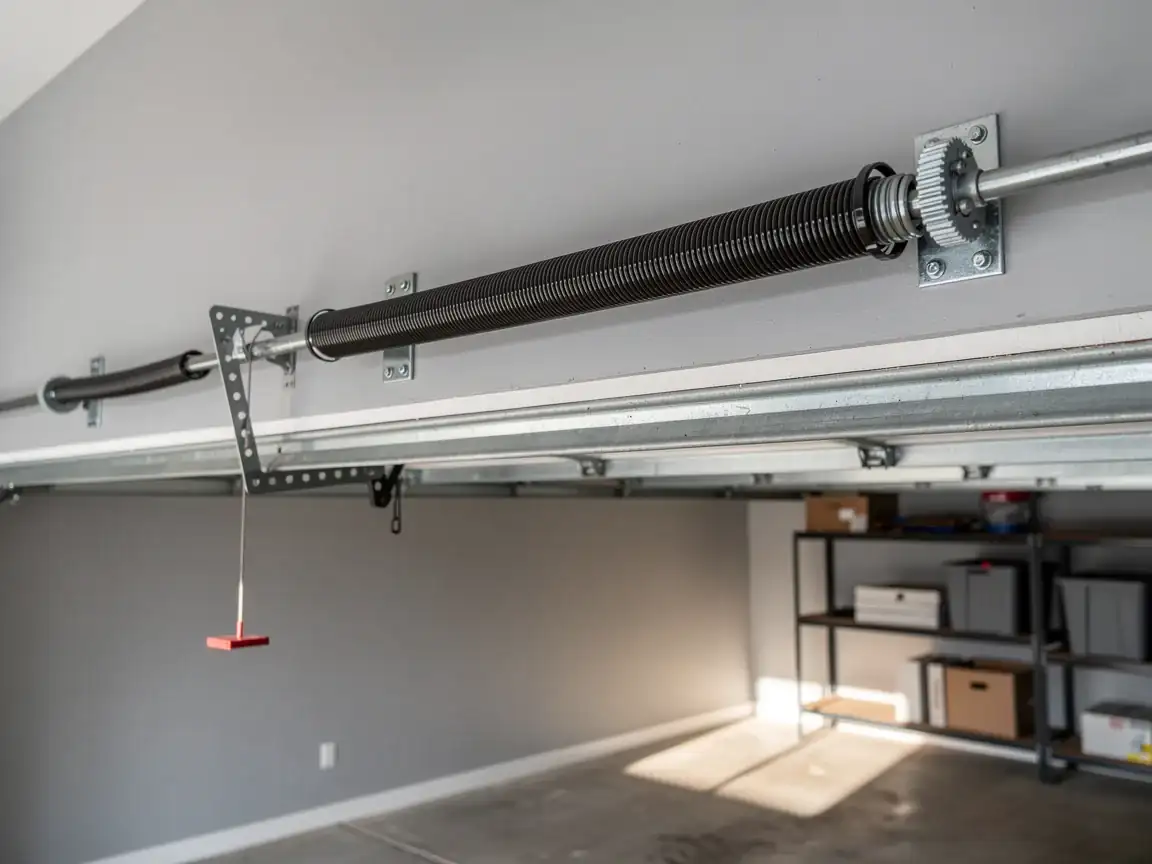
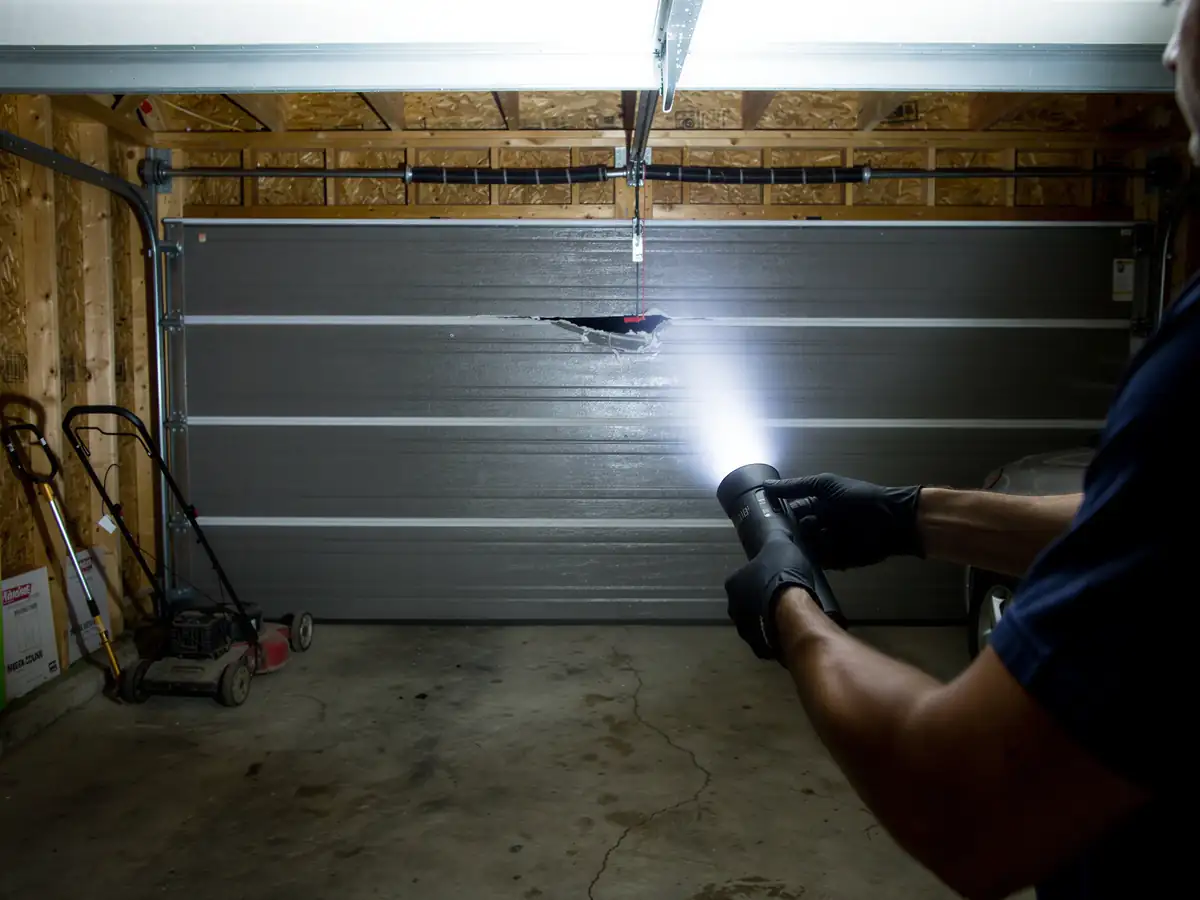
You're not looking at one single problem - you're looking at one of a handful of failures that show up over and over in this area. The most common calls are a snapped torsion spring (the door feels like it weighs 400 pounds because it suddenly does), a cable that's jumped the drum, a bent track from the door walking off its rollers, or an opener whose gear or circuit board has finally quit after decades of use.
Around Statesboro, the age of the door matters more than people think
A lot of the housing stock in the service area went up between 1975 and 1992, with the median year sitting around 1978, and plenty of neighborhoods are still running the original hardware from the 1960s and 70s stock those homes replaced or inherited. That means the springs, cables, and openers doing the work right now are often 30 to 50 years past their design life. When one of those parts fails, it usually fails all at once, not gradually - which is why it feels like an emergency even though the wear has been building for decades.
- 50 years
How Long It Takes
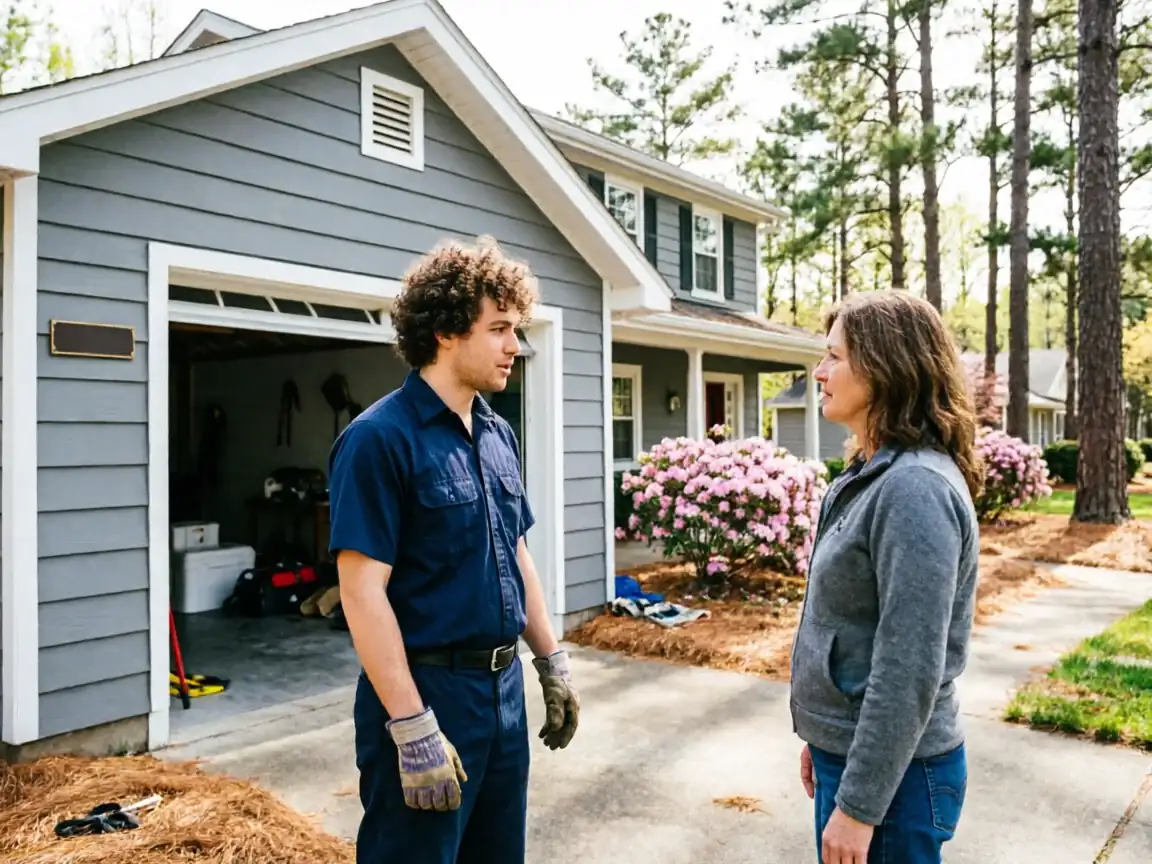
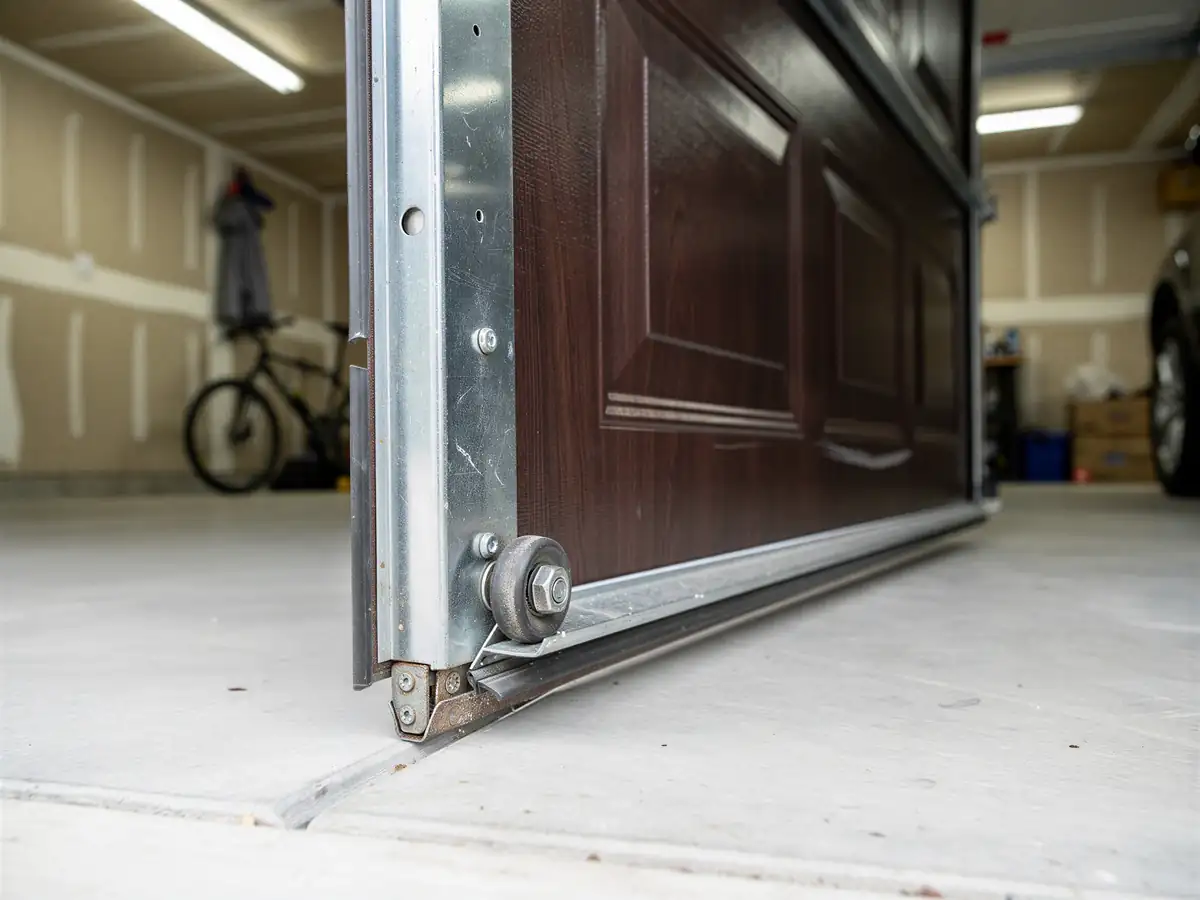
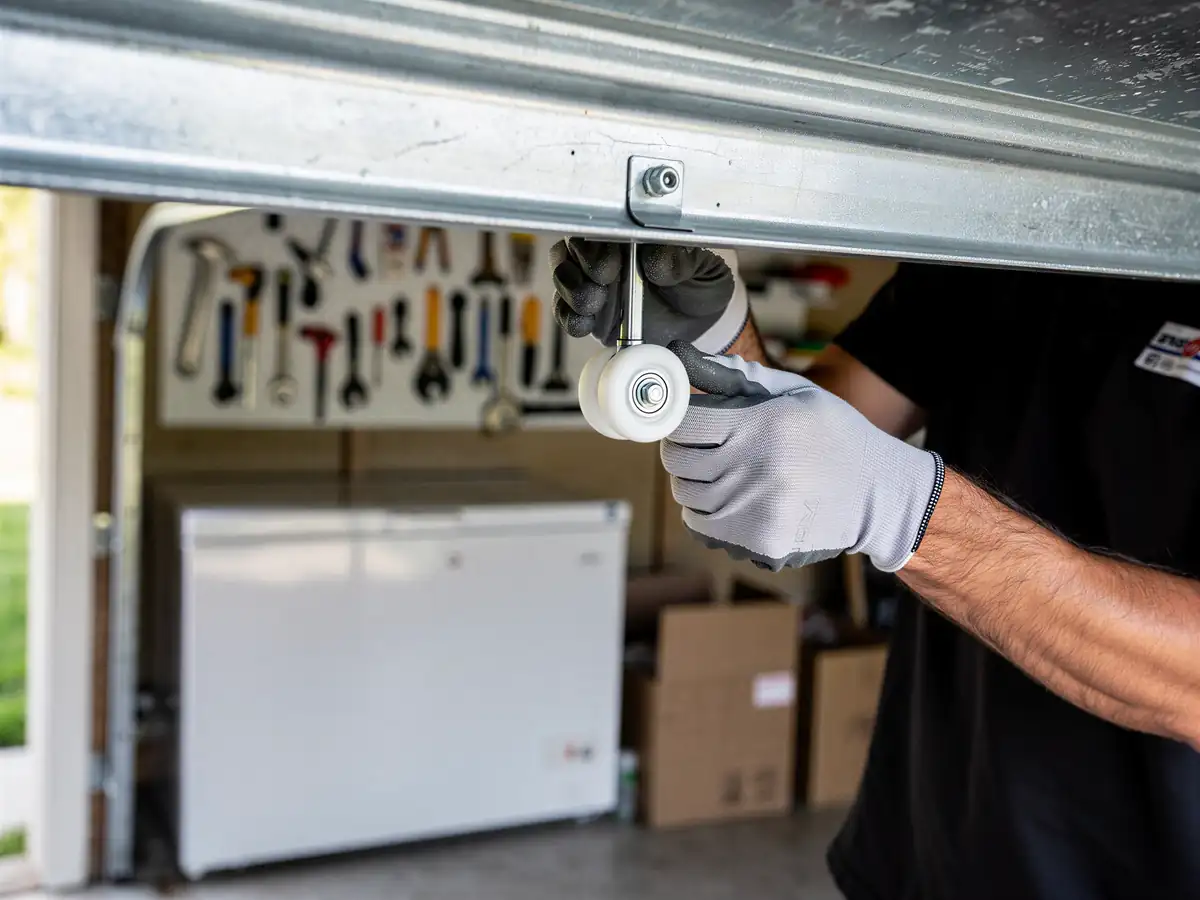
Most of what we're called out for - a broken spring, a jumped cable, a dead opener - gets diagnosed in a few minutes once we're looking at the door in person. Spring and cable jobs are usually a same-visit fix because those parts are stocked on the truck. Track and roller damage from a door that's come off alignment takes a bit longer to inspect properly, since we need to check whether the bend affected the opening or just the hardware.
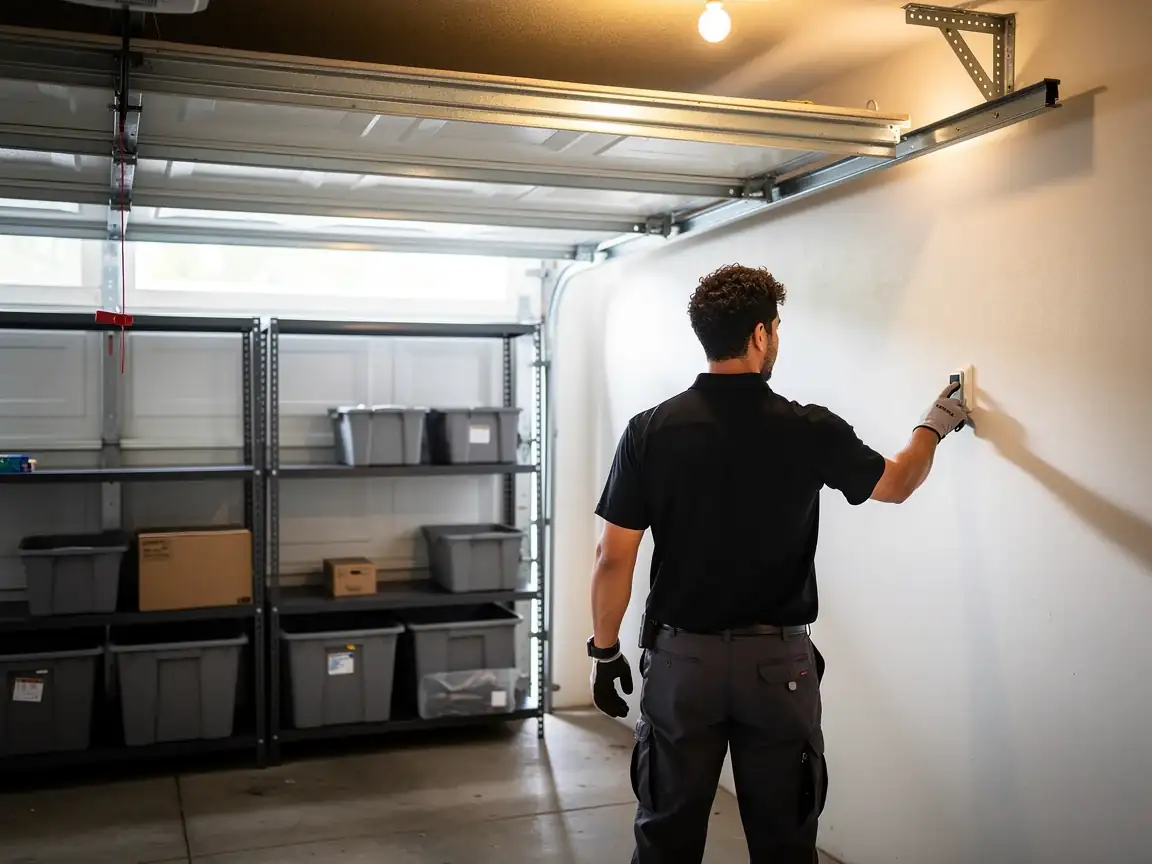
Where it slows down: openers old enough to match the 1975-1992 housing stock sometimes use parts or logic boards that aren't made anymore. If yours is one of those, we'll tell you straight whether we can source a part or whether replacement is the more honest answer. We'd rather say that upfront than have you wait a week for a part that may not show up.
What Causes It Around Here
Two things drive most of the emergency calls across the Statesboro service area, and both come back to the age of the housing and the climate band we're in. First, the age: with median construction around 1978 and large pockets of homes from the 1960s and 70s mixed in across the four main areas we cover, a huge share of the doors out there are original or close to it. Torsion springs are rated for a set number of open-close cycles, and homes this old have run through that count long ago.
Second, the climate: this area sits in a mild band with occasional freeze, not the deep-freeze cycling that cracks concrete or warps steel outright, but enough cold-snap and humidity swing to make old steel springs and dry cables more brittle than they'd be in a warmer climate with no freeze at all. That combination - old hardware, occasional hard cold - is why a spring that's been fine for years will choose a cold morning to go.
We see the same pattern whether the call comes from inside town or from one of the outlying communities we reach - Brooklet, Portal, Metter, or Newington - because the housing age and the weather pattern don't change much across that stretch.
What the Repair Takes
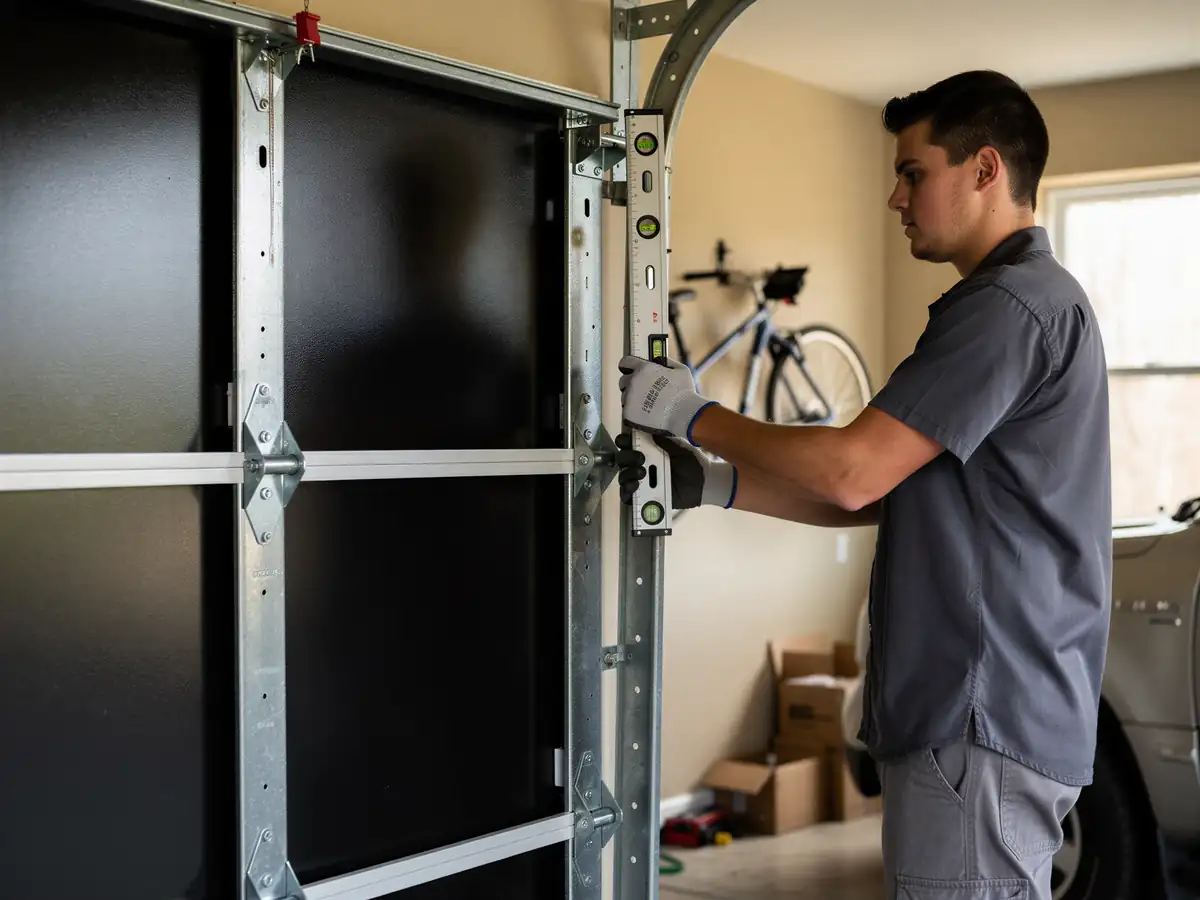
A spring replacement means matching the wire gauge and wind to your door's weight and size
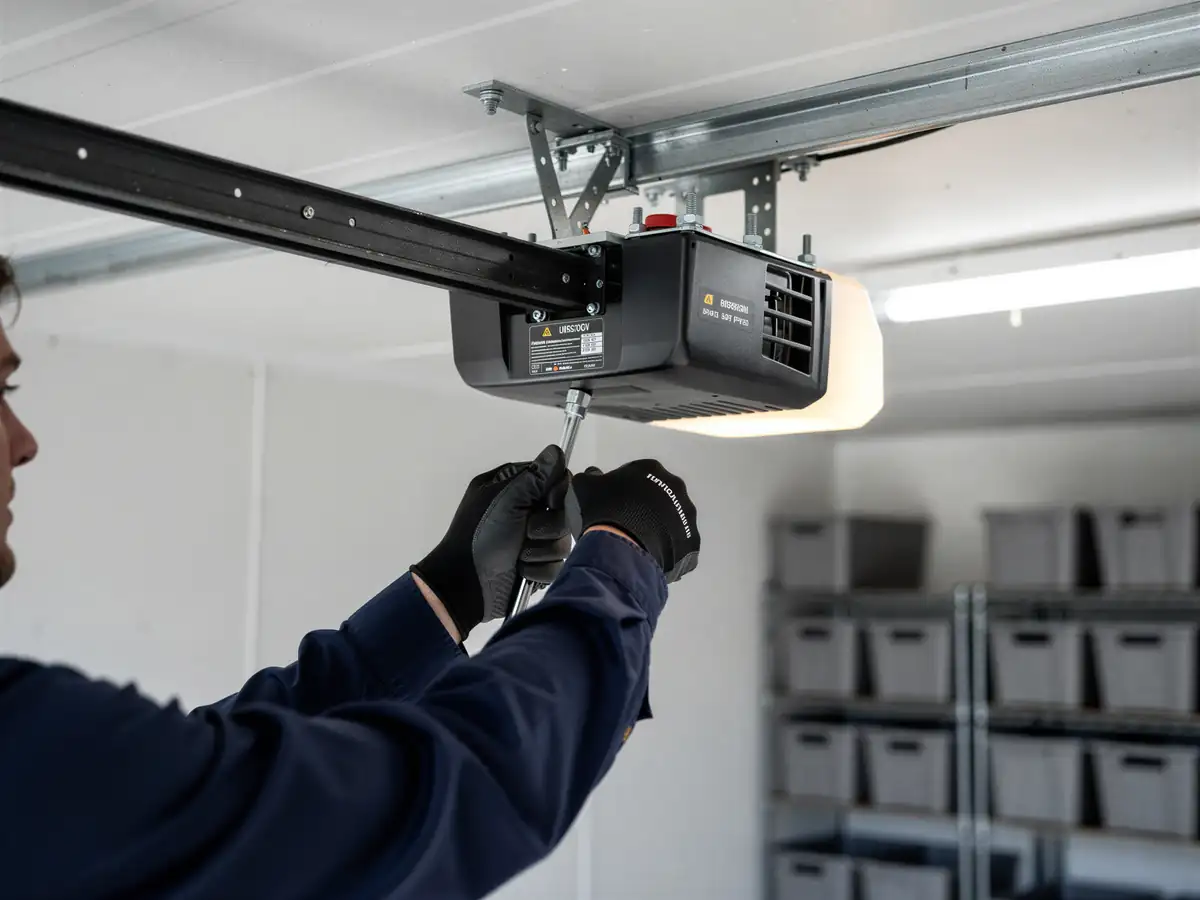
Guessing wrong here is how people get hurt, so we don't eyeball it. A cable repair means checking the drum and track alignment at the same time, since a jumped cable often means something upstream nudged it off. Opener repair or replacement depends on age: if the unit matches the house's original construction era, we'll usually recommend replacement over chasing discontinued parts, because labor on an obsolete board costs more than a new opener in the long run.
One honest limit: we don't stock every opener logic board for units from the 1970s and 80s
If yours is that old and the part isn't available, replacement is the real fix, not a patch that fails again in six months. With roughly 1,179 owner-occupied houses in a service area of about 3,056 households, and median income around $55,125, we try to repair before we recommend replacing - but we'll tell you when repair isn't the better dollar.
- 1,179 owner-occupied
- 3,056 households
- $55,125 median household income