What Causes It Around Here
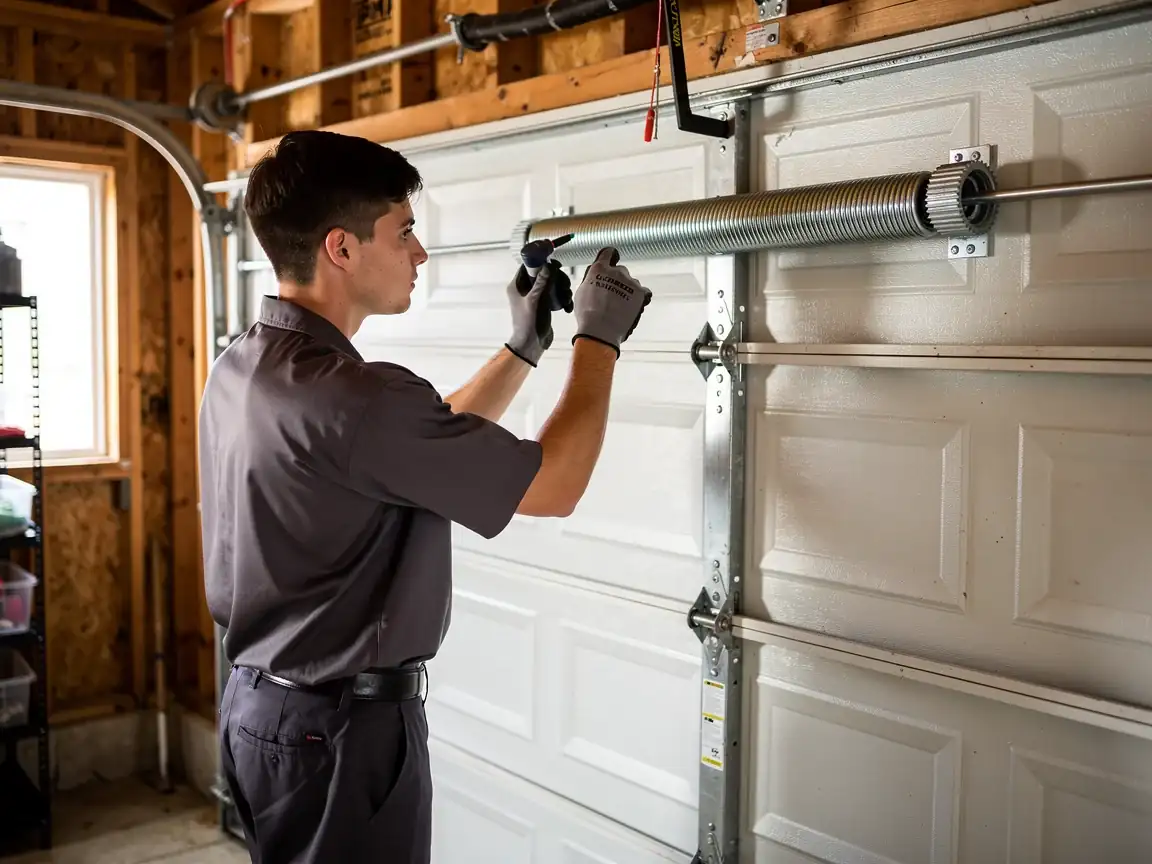
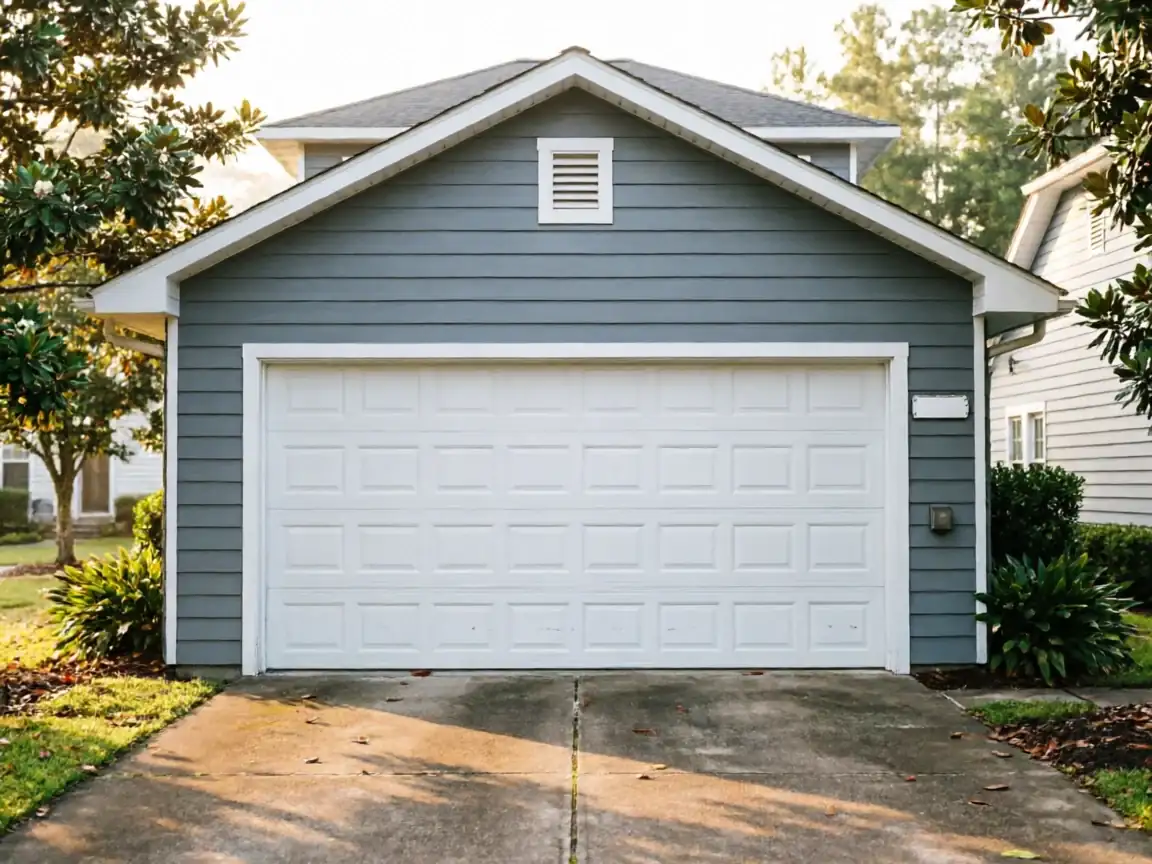
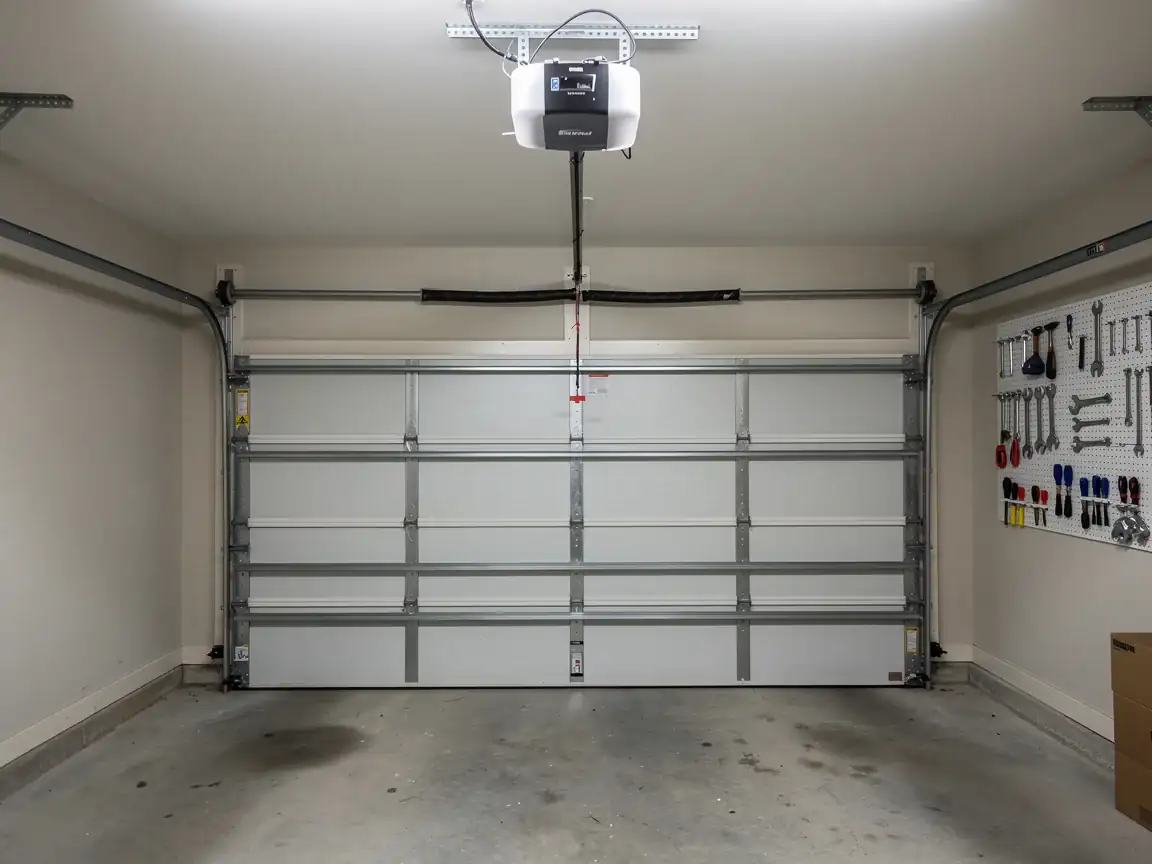
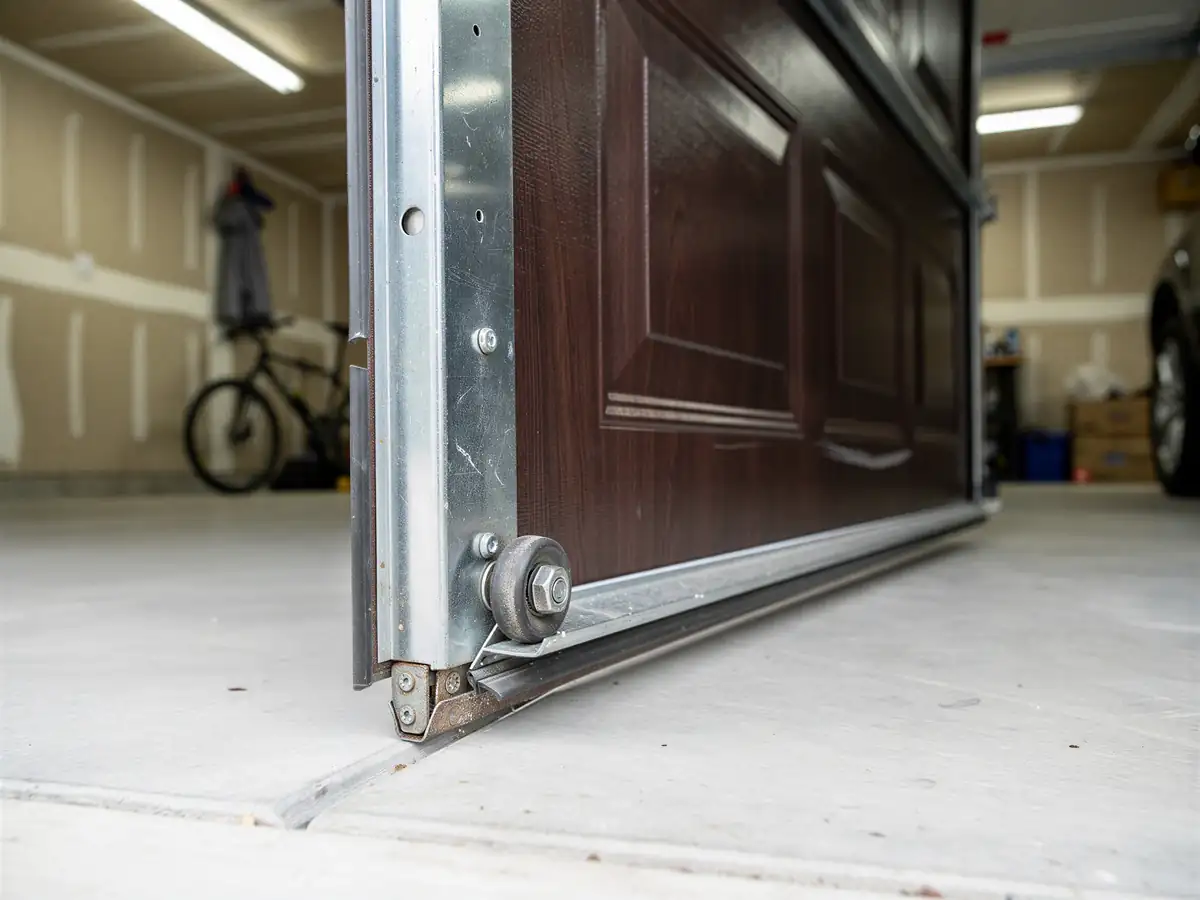
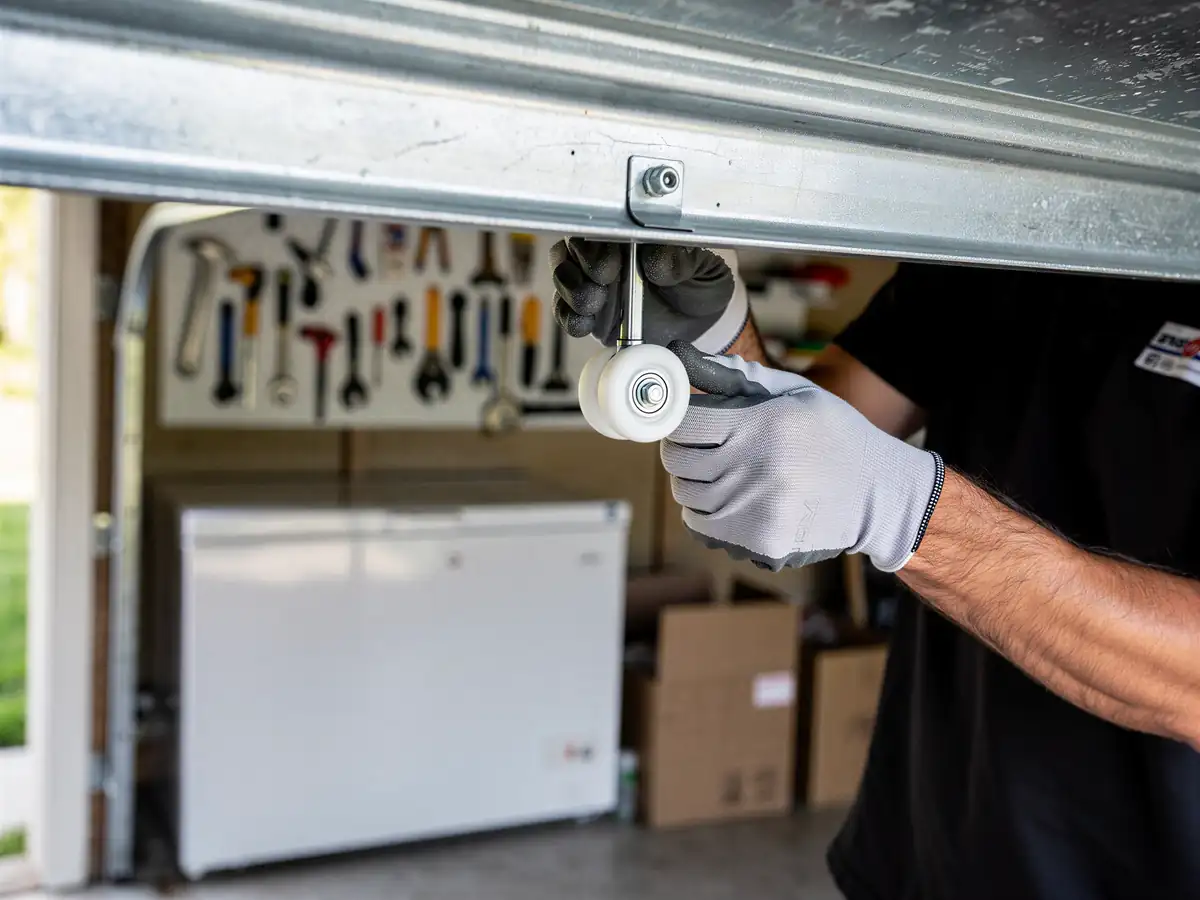
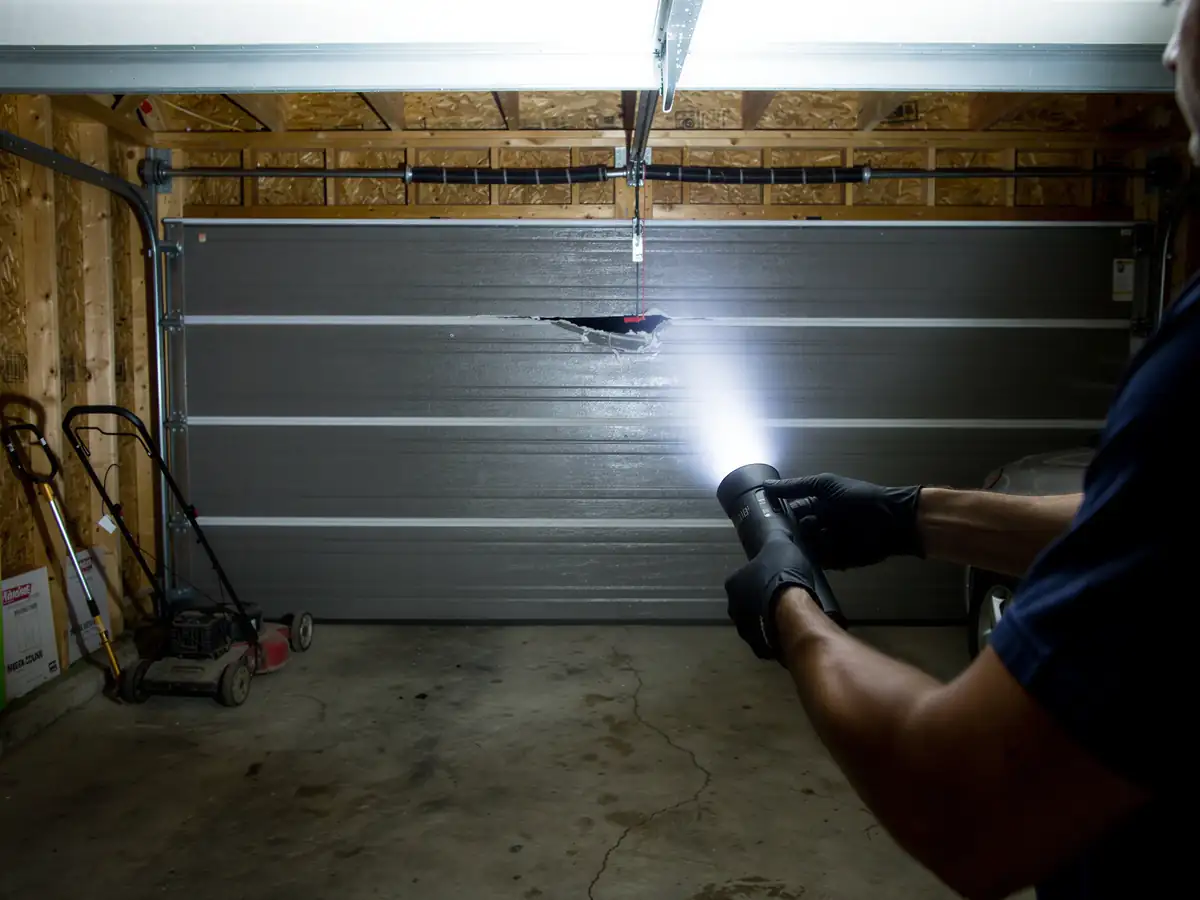
Portal sits in a mild climate with some freeze risk, which is kinder to garage doors than real winter country - you're not fighting ice buildup in the track or a spring that's gone brittle from deep cold. The wear here comes from age and use, not weather extremes. A door installed when a house was built in 1975 has gone through roughly fifty years of daily cycles on hardware that was never meant to last that long. Rollers wear down to the point they're square instead of round. Lift cables fray where they wrap the drum. Torsion springs lose tension gradually, which is why a door that used to lift with one hand now needs two, or won't budge at all some mornings. None of that is dramatic. It's just time, working on steel and springs that have done their job for decades. The households out this way are fewer and further apart than in town - Portal has around 213 of them - so a door that's starting to struggle doesn't always get looked at right away. By the time we're called, it's often past the point of a simple adjustment.
What You Pay
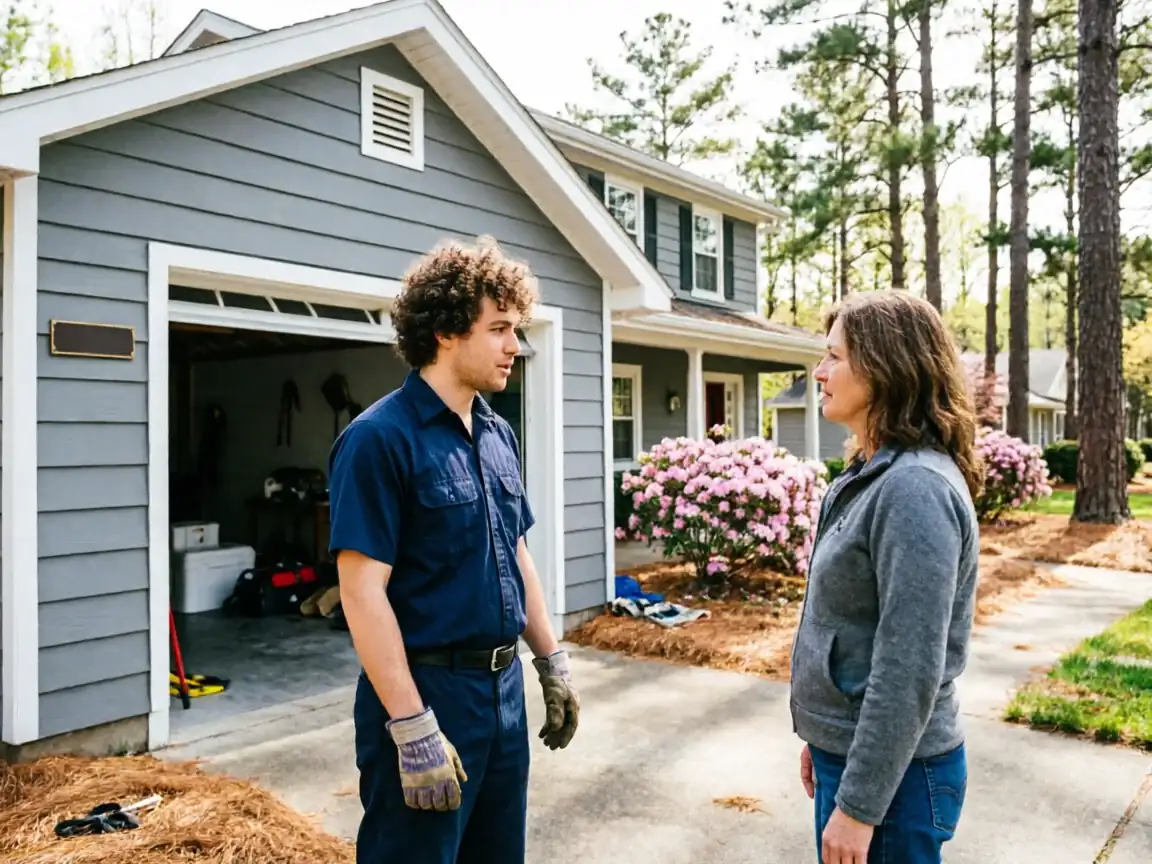
We don't have a flat number to quote here, and we won't invent one. What drives the cost on a 1975-era door is usually the spring - whether it's one side or a matched pair that both need replacing - plus whatever the cables and rollers have done after that many years of use. Median household income in Portal runs around $62,750, a bit above the wider service area's $55,125, and that's relevant mainly because it means most repairs here are something a household budgets for and fixes rather than defers indefinitely. We'll give you a number before we touch the door, broken out by part and labor, so you can decide whether it's worth fixing or whether, on an older single-layer steel door, replacement actually makes more financial sense. That's a real call to make on doors this age - sometimes a $400 repair buys you two more years on a door that's going to need the next part anyway.
What Is on the Truck
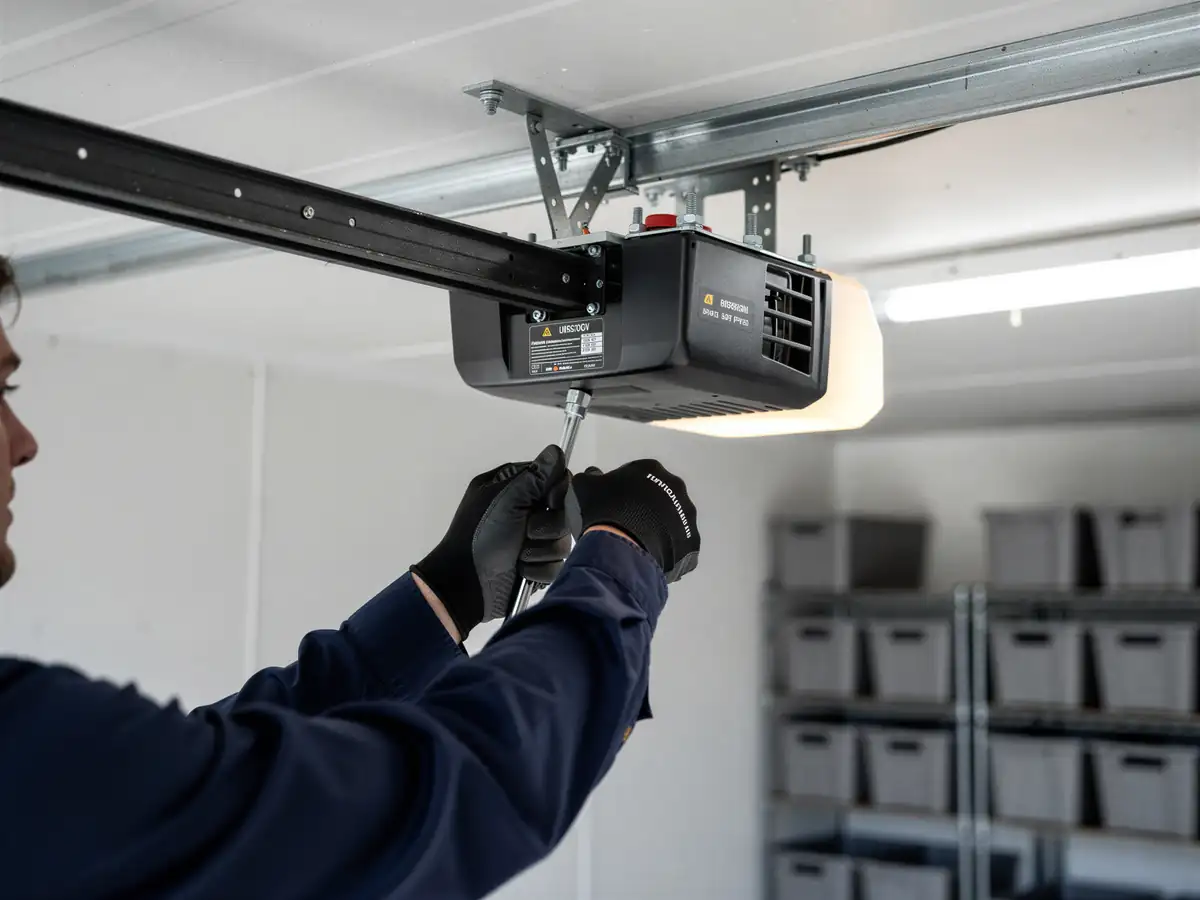
Coming from Statesboro, about 11 miles out to Portal, the truck carries the parts that actually fail on doors from this build era - torsion springs sized for 16x7 and 9x7 steel doors, standard-drum cables, and rollers in the sizes that match 1970s track, not the newer low-headroom hardware you'd stock for recent construction. We also carry bottom brackets and hinges, since those are the pieces most likely to have fatigued on a door this age. What we don't carry is a guess - if a part turns out to be nonstandard or custom-cut from whatever the original builder had on hand, we'll say so on site rather than force a part that doesn't fit.