What the Repair Takes
Most calls here aren't about a dead opener, they're about one that's half-working
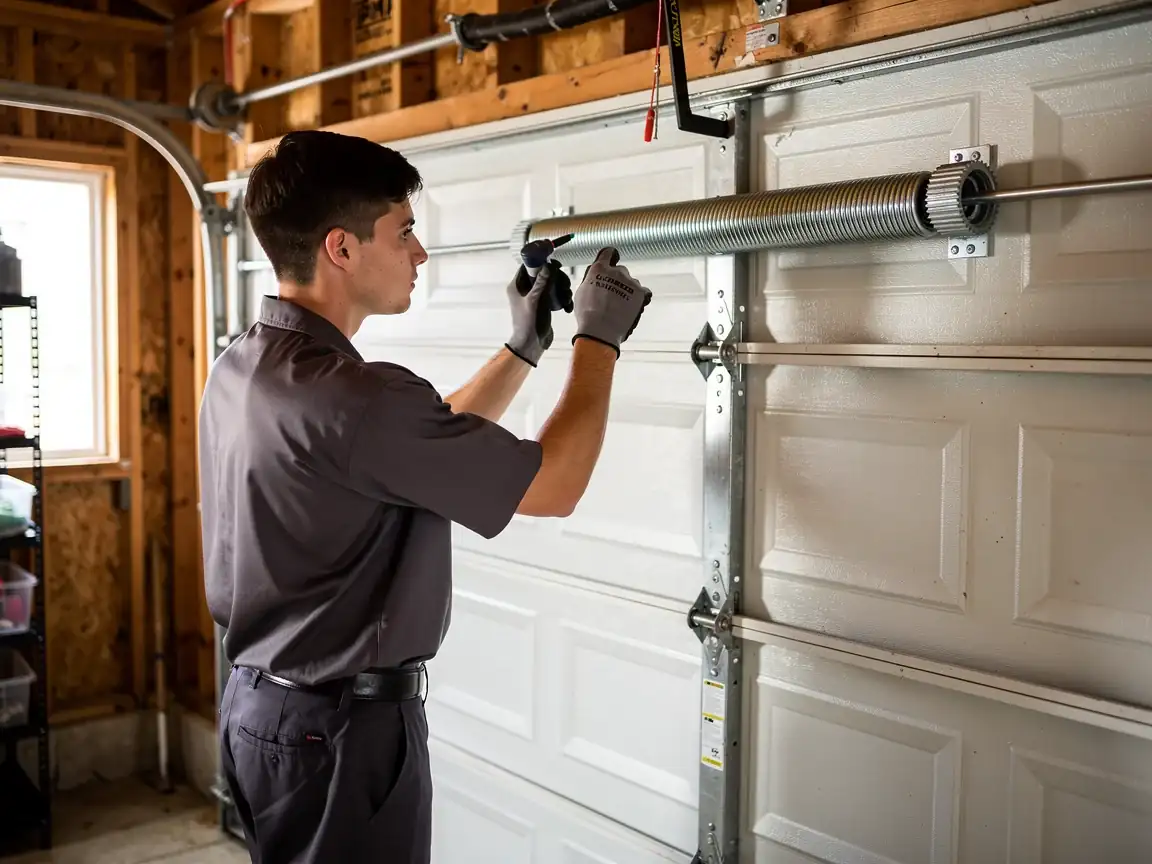
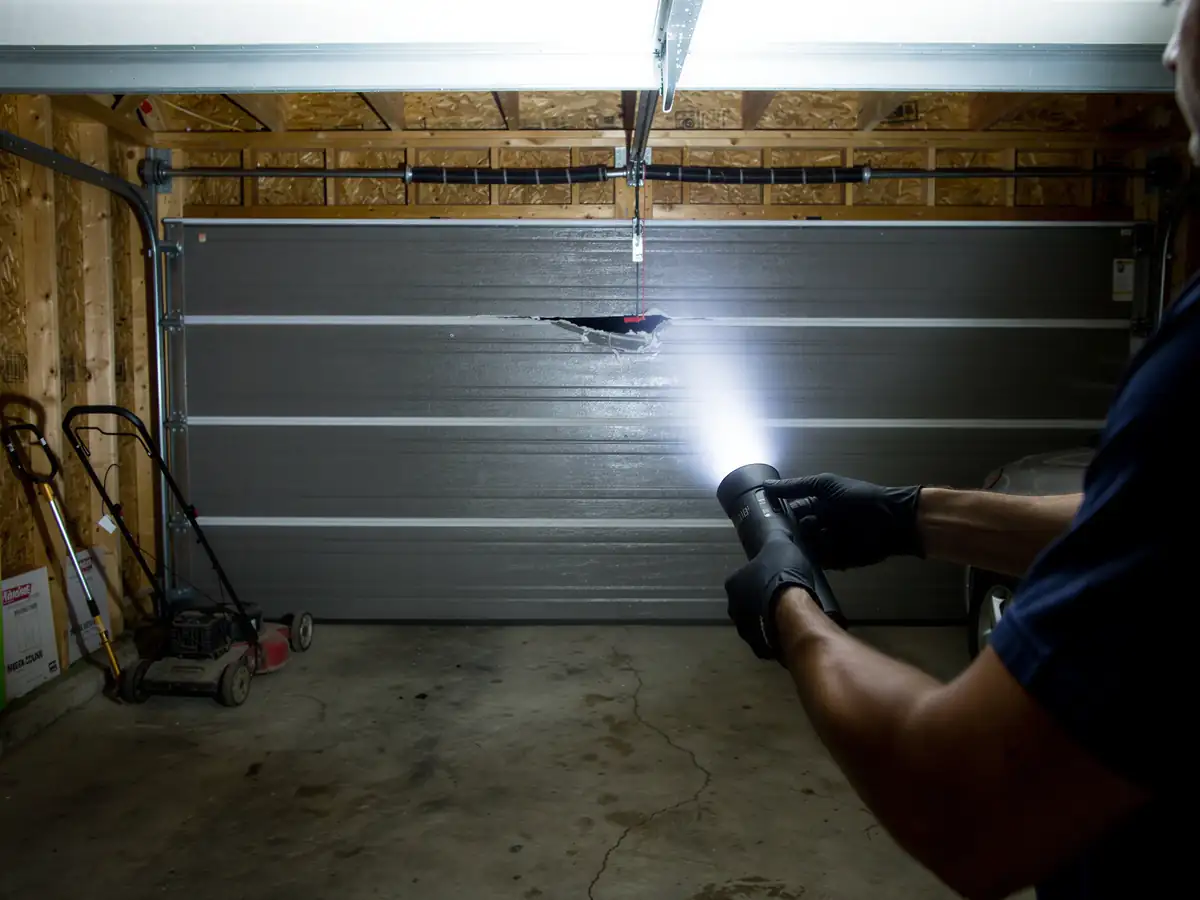
The door reverses for no reason, the remote only fires every third try, or the motor hums and the chain never moves. We start the same way every time: watch it cycle, listen to the motor, check the travel limits, then decide if the fix is a part or the whole head unit.
Portal's housing stock centers on 1975, right at the front edge of the broader 1975-to-1992 build wave across this service area
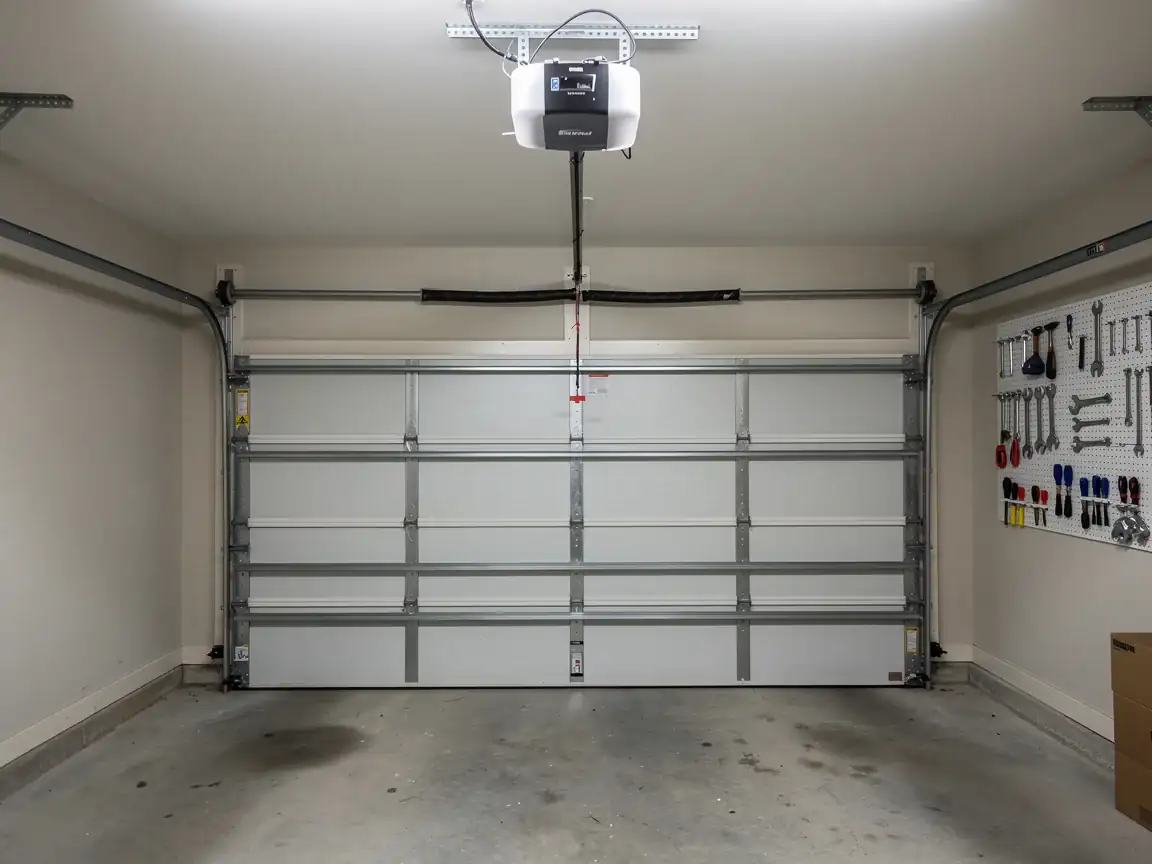
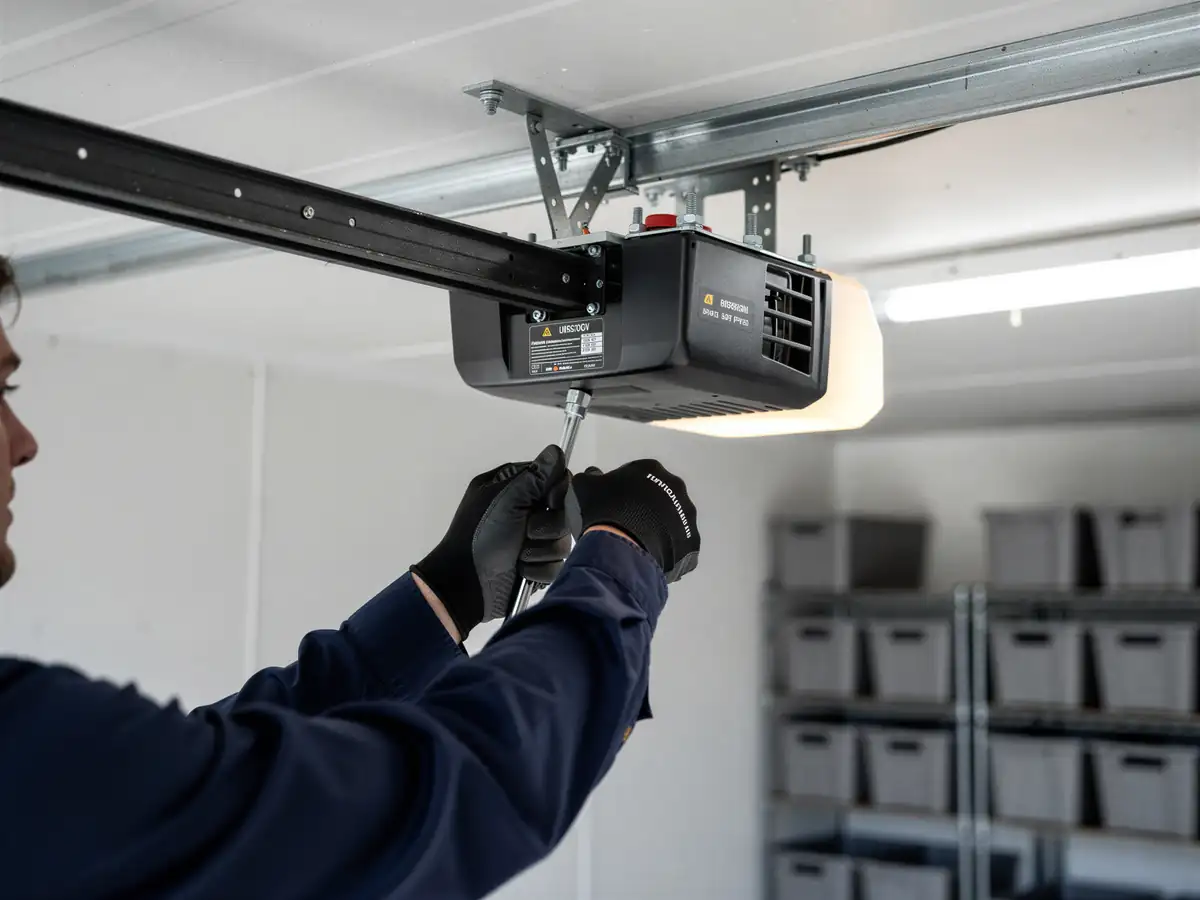
A lot of these garages still run the chain-drive opener that came with the house, or a direct swap-in from decades back using the same mechanical limit switches. Those switches wear out in a way that looks electrical but isn't - the setscrews back off, the door stops short or runs long, and no amount of remote reprogramming fixes it. On a unit from that era, replacing the switch assembly or the whole head is usually cheaper than chasing ghosts in the wiring.
What Causes It Around Here
The climate band here is mild with occasional freeze, which doesn't sound like much until you've seen what thirty-plus winters of that cycle does to grease inside a gear housing. It hardens, the motor strains to turn the gear, and eventually the gear teeth strip - a cheap plastic part that fails because the lubricant around it quit working years before anyone noticed.
With only 213 households in Portal, this isn't a volume call pattern we see daily, but it's consistent: openers original to 1975-built garages, carrying worn drive gears, brittle belt-drive sections where they were retrofitted, or sensor wiring that's been nicked by rodents in an unheated garage. We don't guess at this - we pull the cover and look at the gear before quoting a fix.
What You Pay
We don't have a Portal-specific price list to quote here, and we're not going to invent one. What we can tell you is how the decision usually breaks down: a limit switch or sensor repair is the cheaper half of the job, a full opener replacement is the bigger one, and on a unit this old, parts for the original motor are often not available at all, which pushes you toward replacement whether you wanted it or not.
Portal's median household income runs higher than the wider service area average, which doesn't change what the job costs, but it's worth saying plainly: we quote the same job the same way whether it's a $55,000-income household or a $62,000-income one. The price follows the part and the labor, not the ZIP code.
What Can Go Wrong
The honest limitation first
If your opener is a direct-drive or screw-drive model that was never common in this area's 1960s-70s building wave, we may not carry that part on the truck and could need to order it before we can finish. We'll tell you that on-site rather than leave you guessing.
Beyond parts availability, the other failure mode is misdiagnosis-by-remote
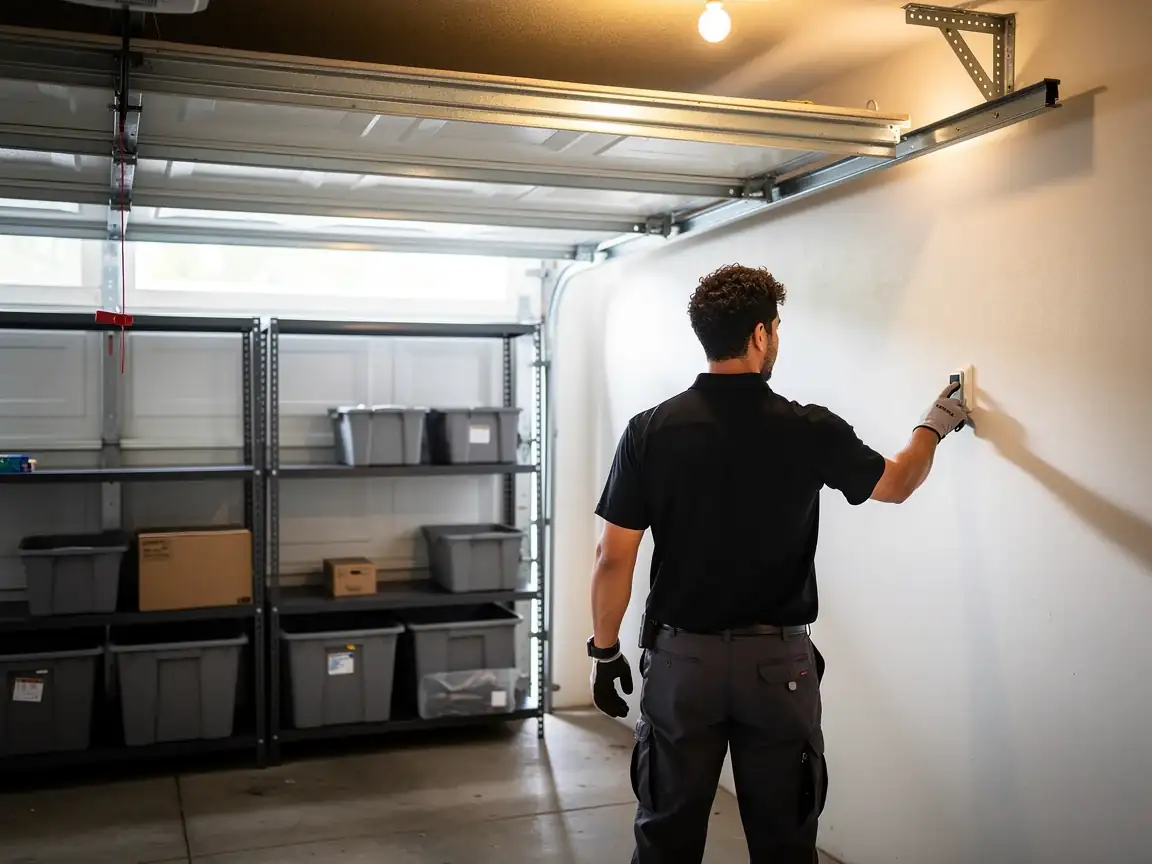
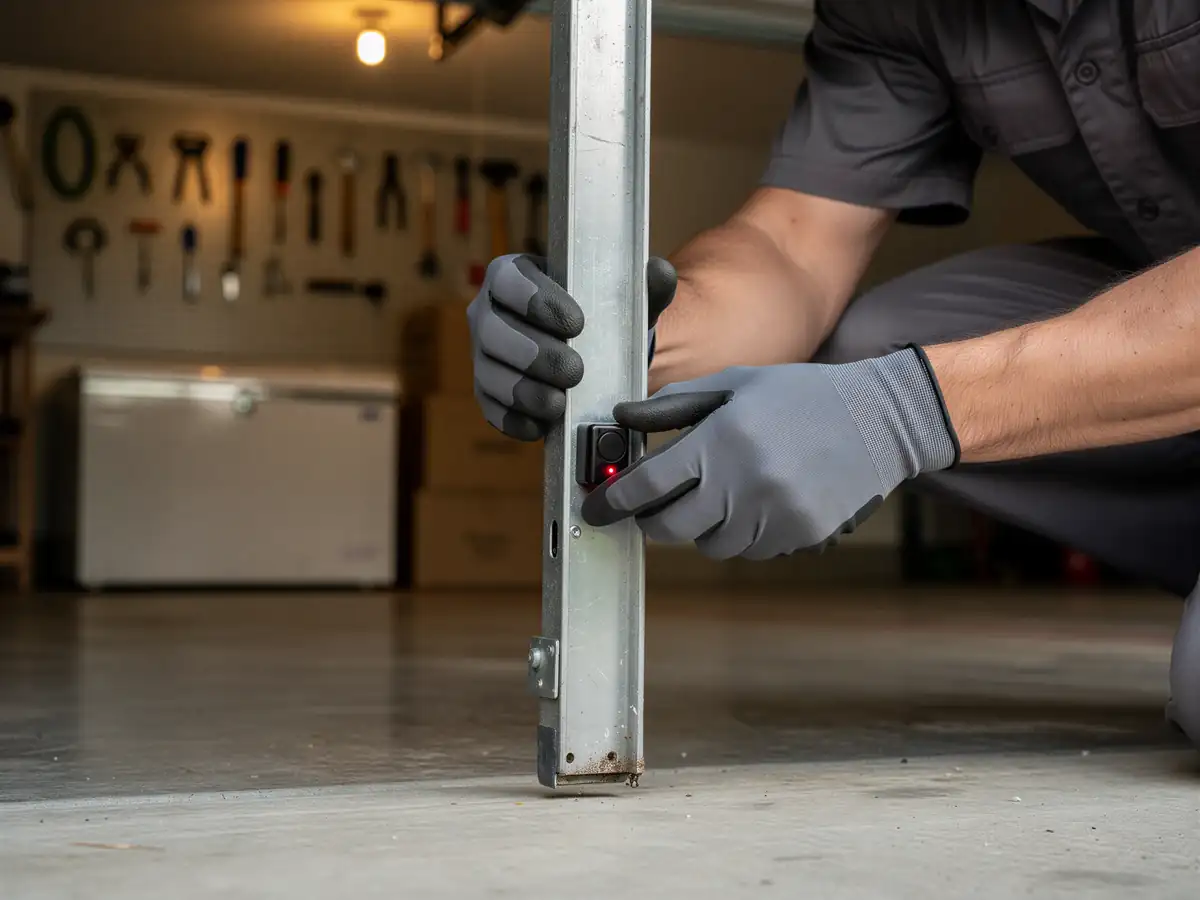
A dead remote battery looks identical to a failed receiver board from across the garage, and guessing wrong means a return trip. We test the wall button first, then the remote, then the receiver, in that order, because it's the cheapest problem that's usually the real one.
What Is on the Truck
Since every call to Portal starts as an 11-mile drive out from Statesboro, we stock the truck for what that drive is likely to need, not just what's common citywide. That means common replacement limit switches and sensor eyes for 1970s-era chain-drive units, drive gears for the major opener brands still running on original hardware in this age of house, and a spare receiver board or two.
What we don't carry as standard stock is a replacement motor for every discontinued opener brand ever sold - those have to be matched or ordered, and we'll say so rather than swap in a mismatched part. For most Portal calls involving a worn gear, a bad switch, or a failed sensor, the truck has what's needed to finish same visit.