What Causes It Around Here
Brooklet is a small place, around 906 households
Which means the fault pattern here doesn't look like a big subdivision with five identical builder models repeating the same failure over and over. It's a mix of individual lots and smaller pockets, so when we get called out it's usually one specific thing on one specific door rather than a run of the same part failing across a street.
- 906 households
The housing stock here skews newer than a lot of the wider service area
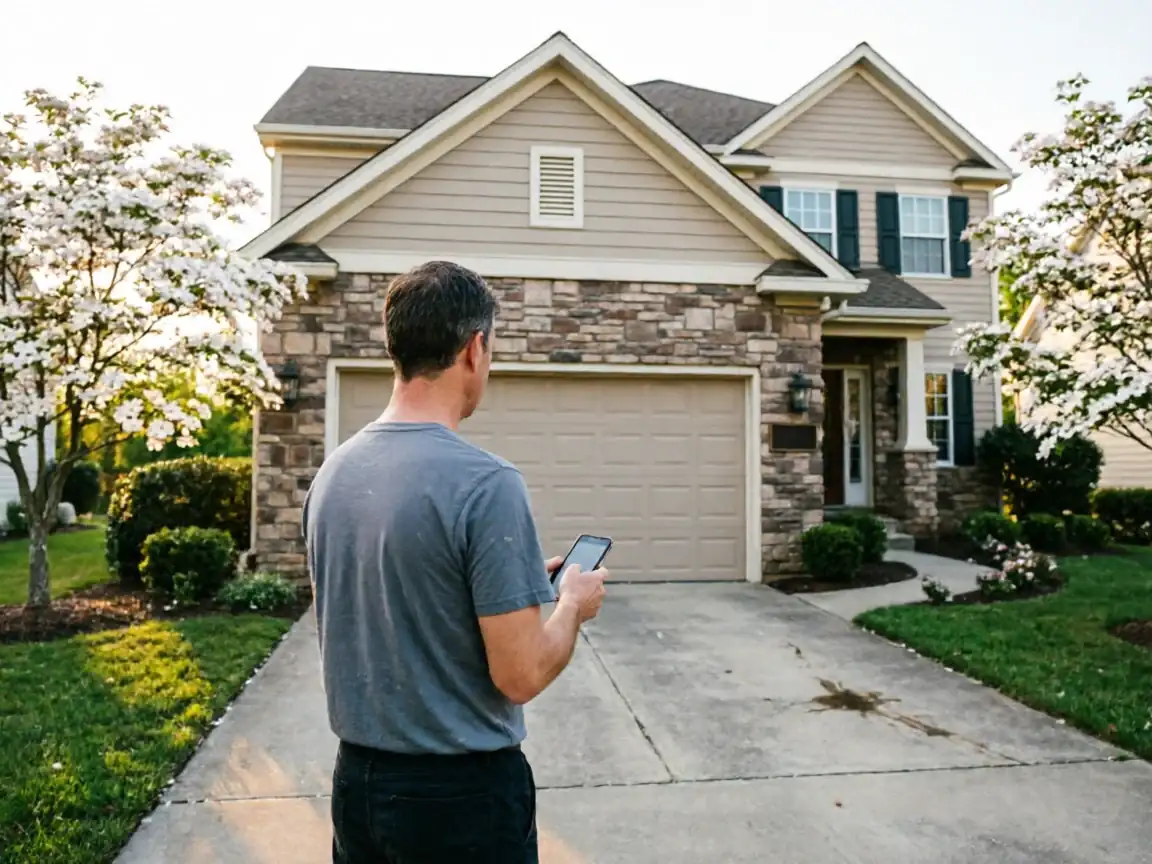
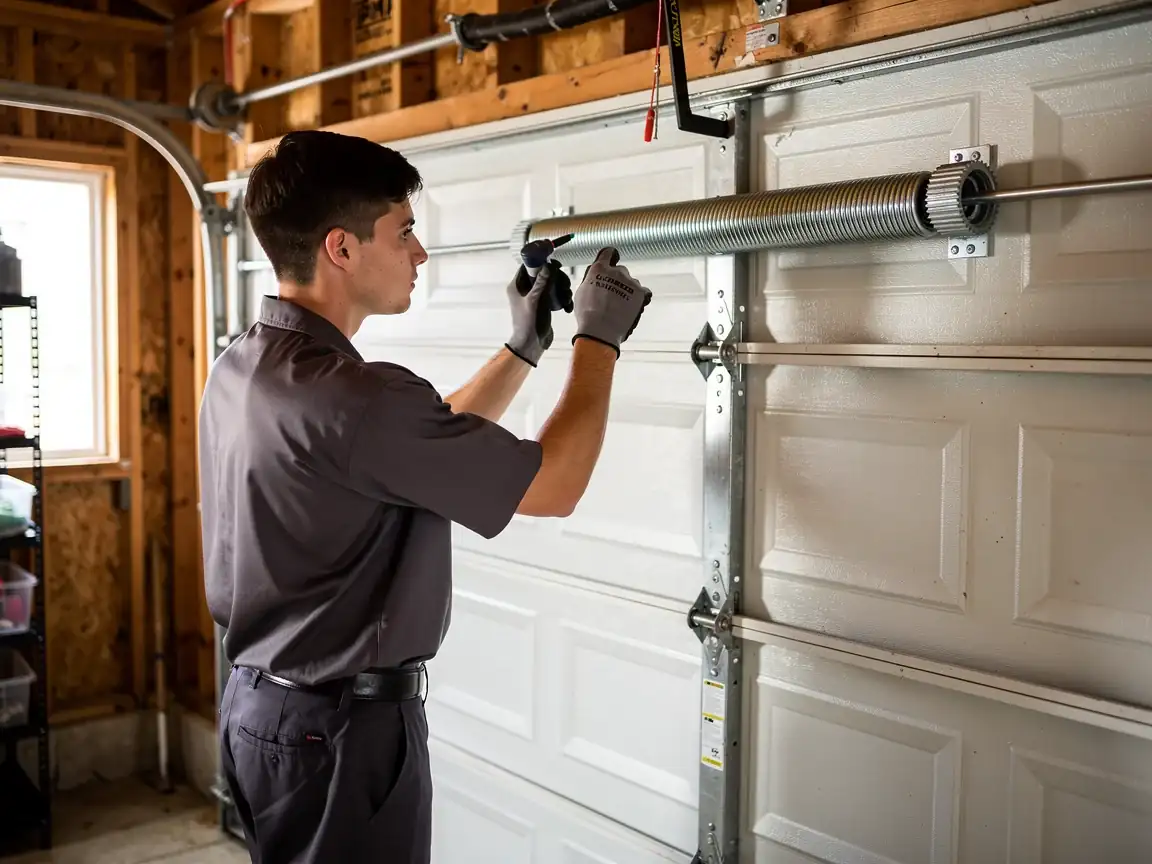
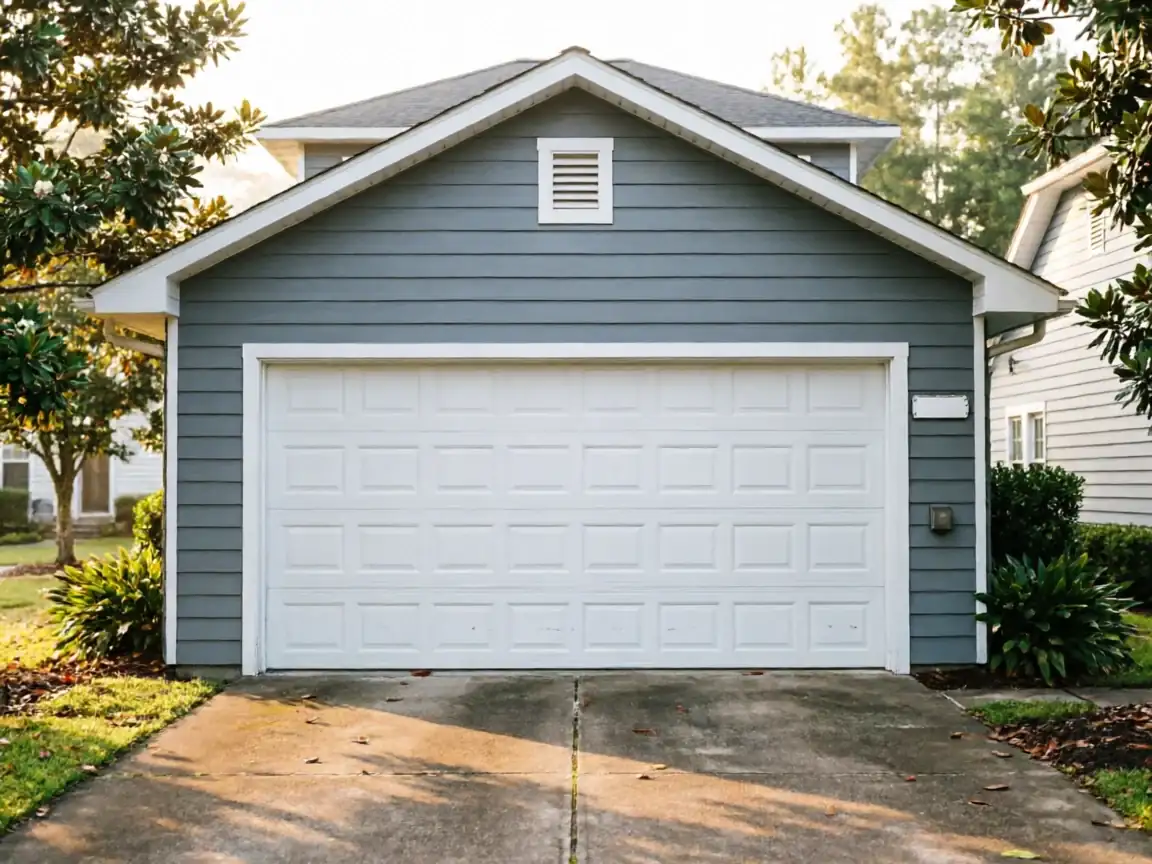
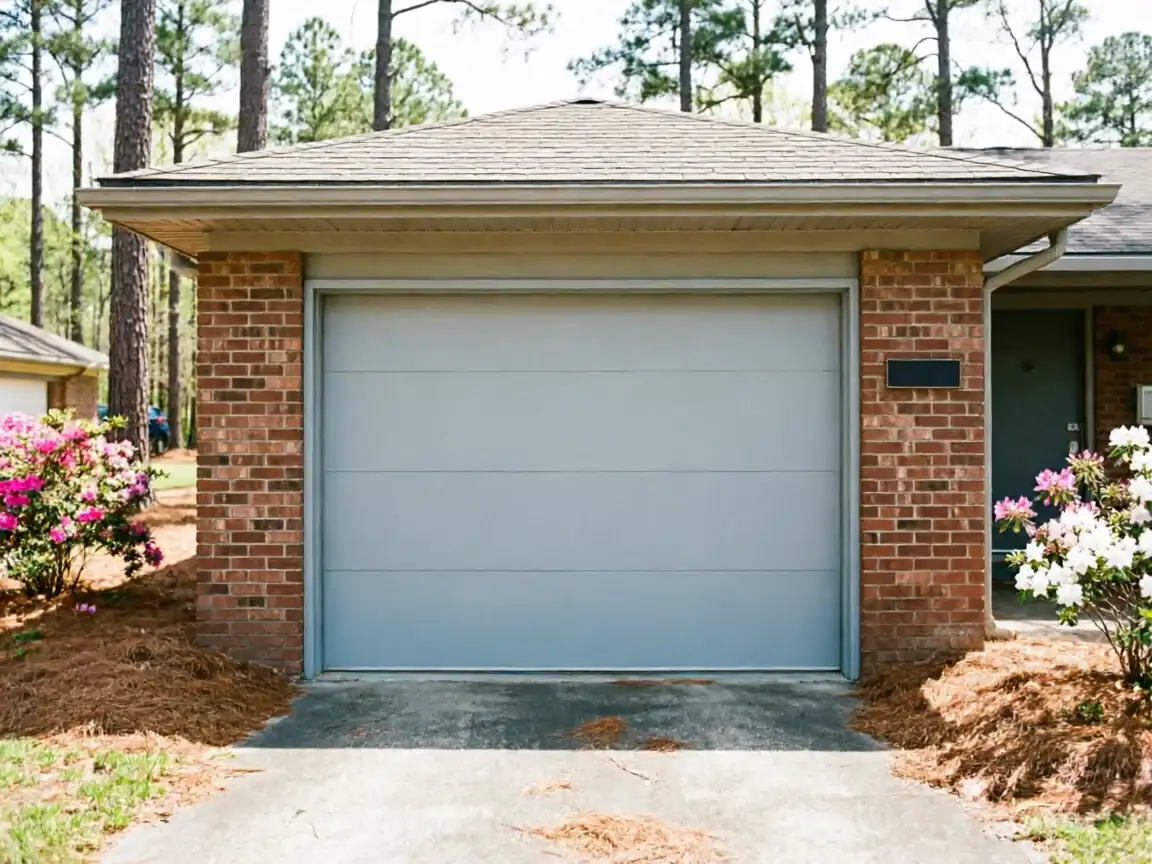
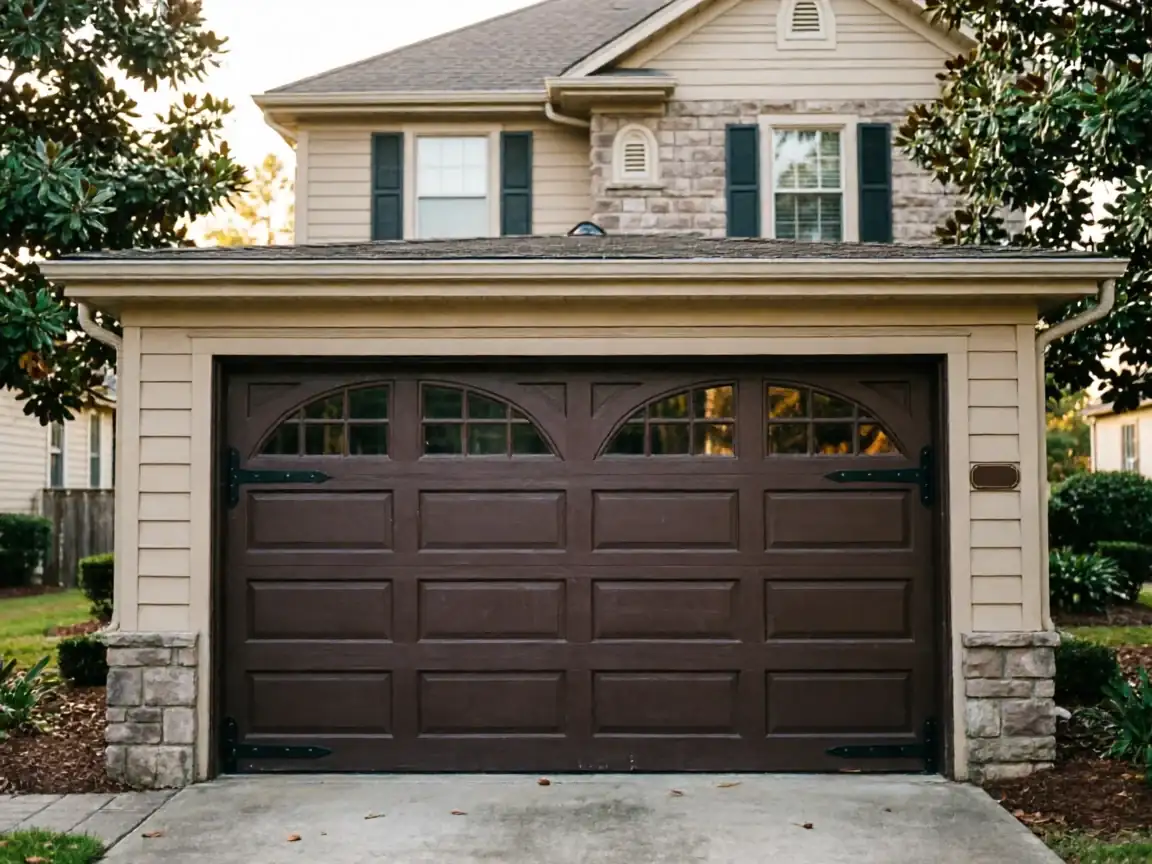
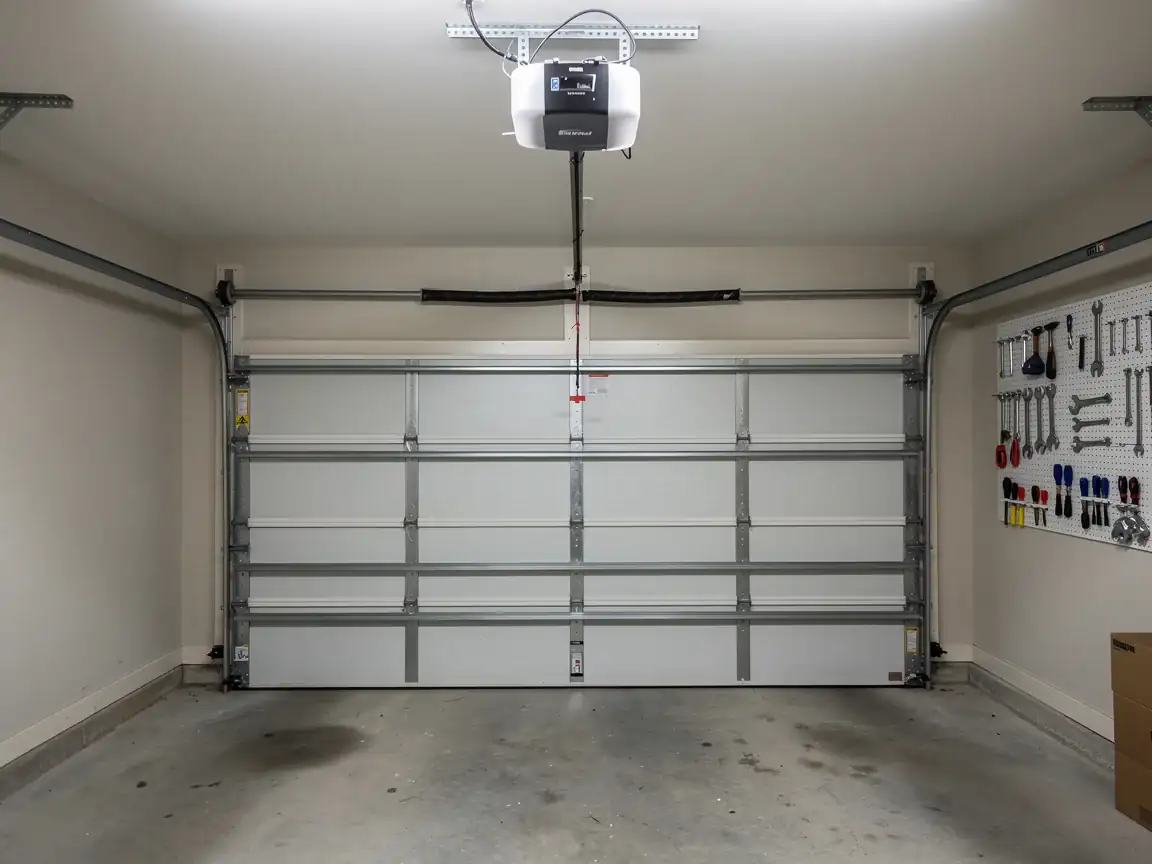
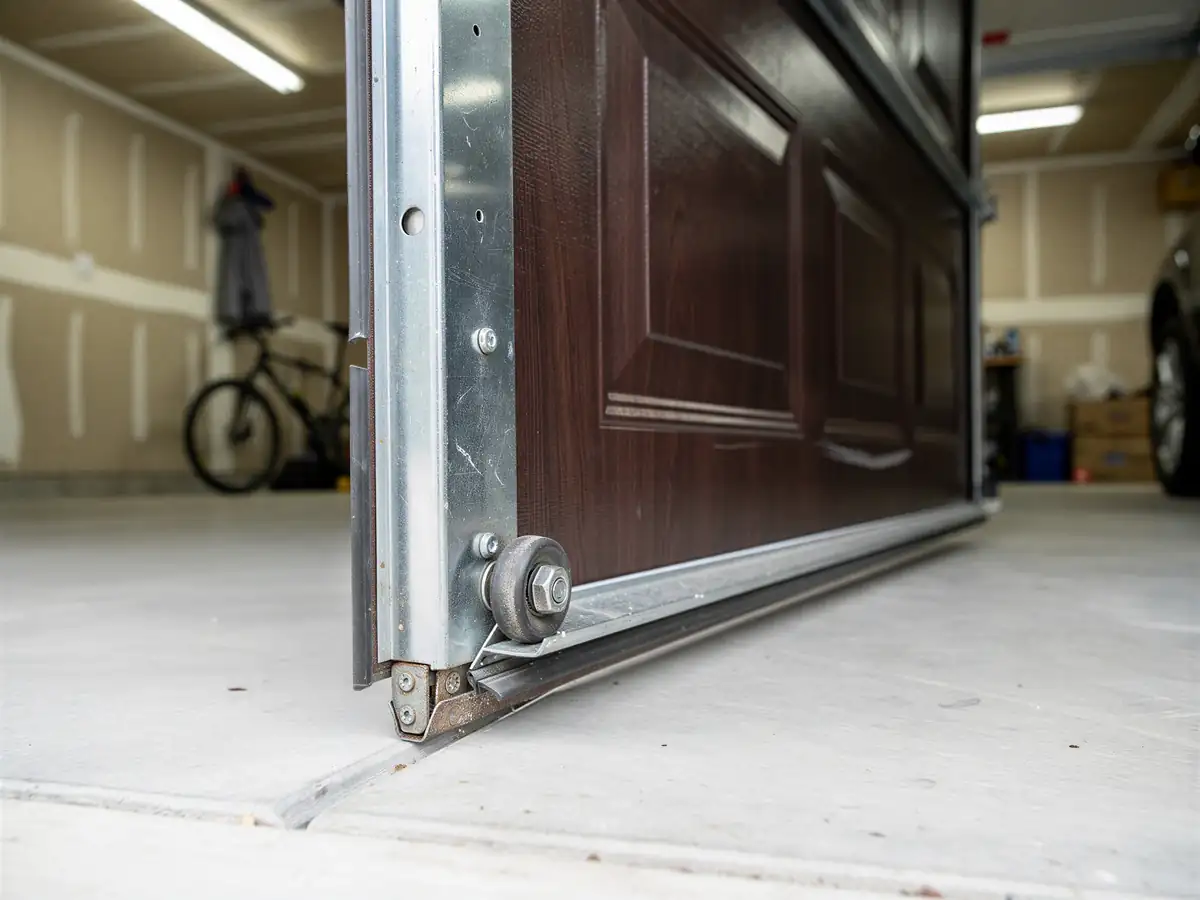
The typical Brooklet house went up around 1992, later than the 1978 median you see across the four main areas we cover. That matters for repair work because a door built in the early '90s usually came with a steel sectional door on a standard torsion spring setup rather than the older one-piece or side-mounted hardware you find in 1960s and '70s housing. The springs, cables and torsion drums on a 1990s door are common sizes - we're not chasing down an obsolete part to match thirty-year-old hardware.
What does show up consistently is wear on the original springs and openers that have simply been running for three decades
A torsion spring rated for roughly 10,000 cycles starts giving out somewhere in that window no matter how well the door was installed.
How Long It Takes
We're coming from Statesboro, about 7 miles up the road, so there's no branch or crew sitting in Brooklet waiting on a call. That drive time is part of any job here and we won't pretend otherwise - it's a short trip, but it's not zero.
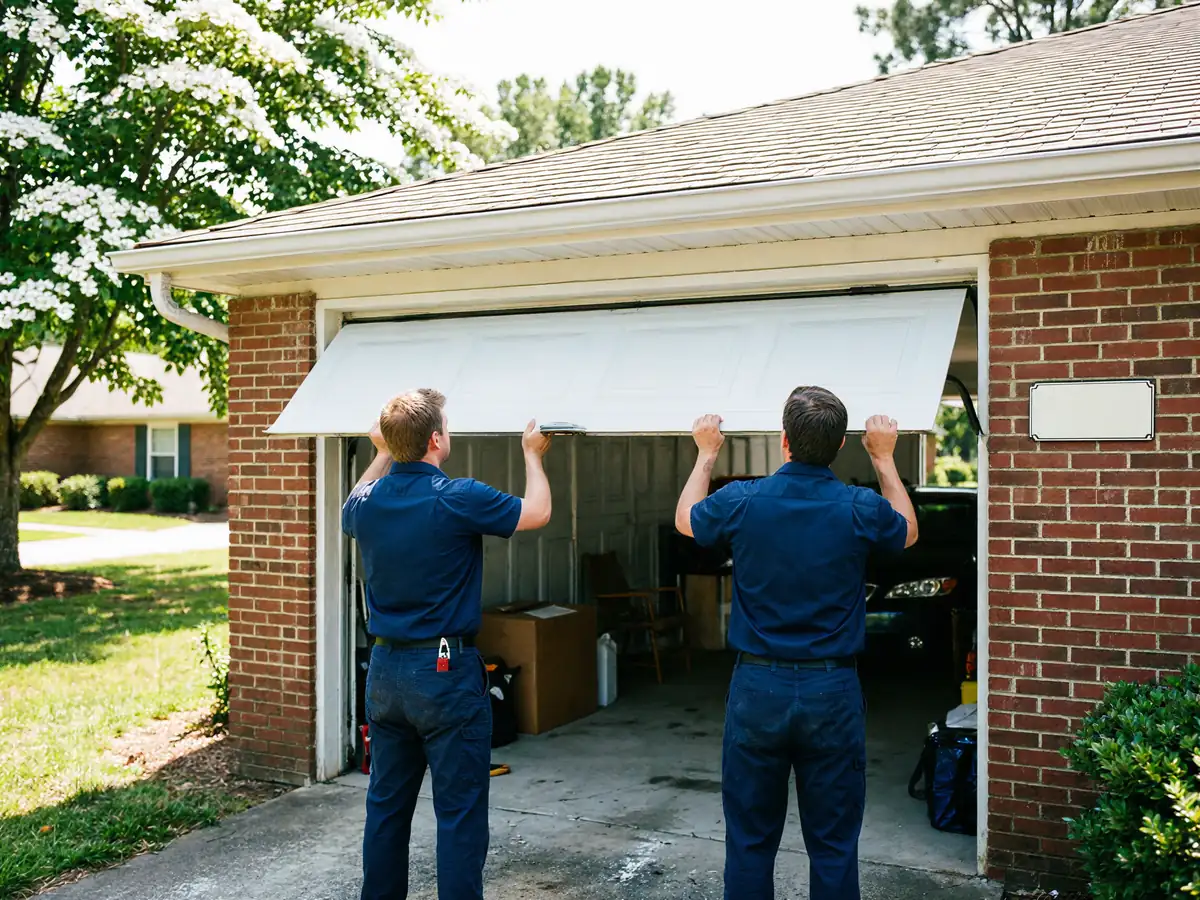
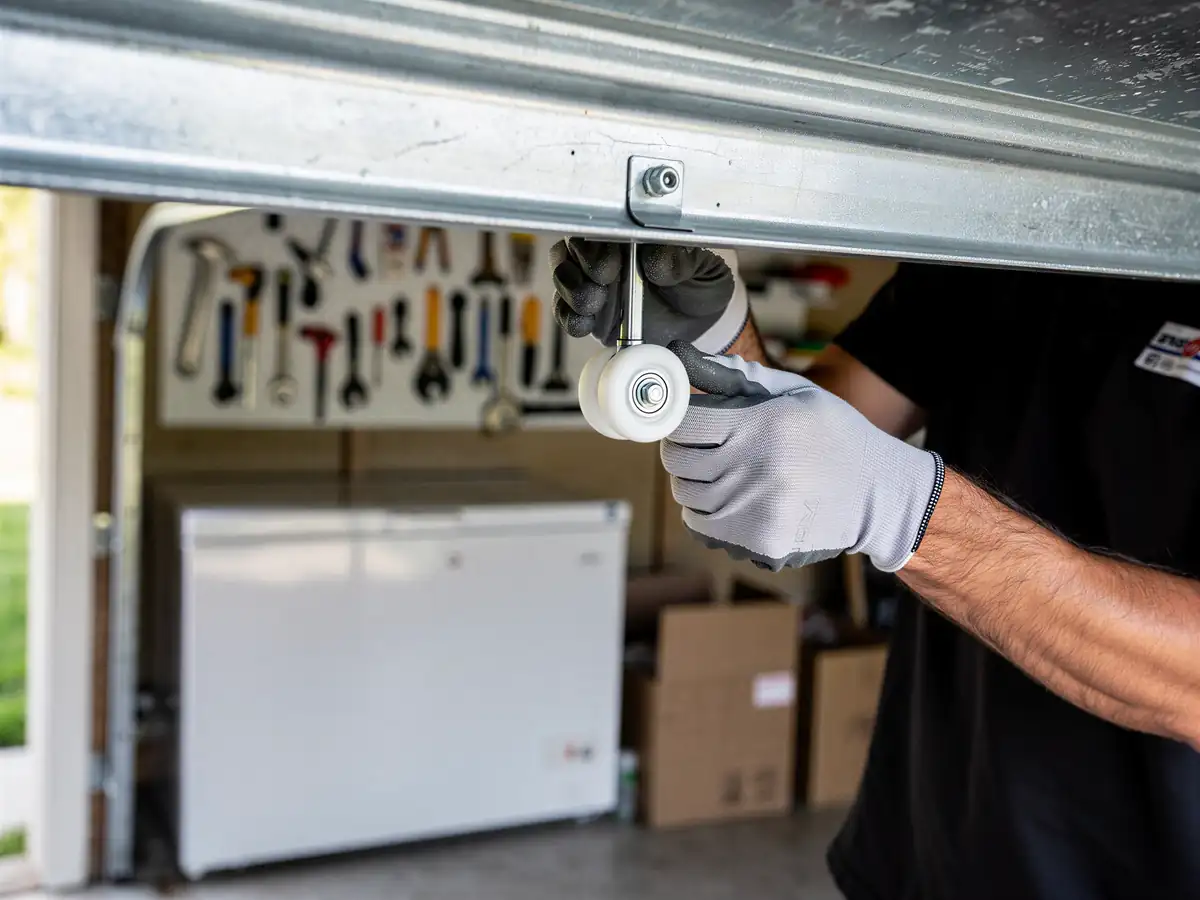
Once a truck is on site, most spring, cable and roller repairs on a standard residential door run inside a couple of hours. Opener swaps take longer if the mounting or wiring doesn't match what we're installing. We don't quote an exact window here because we haven't given you a number we can stand behind for Brooklet specifically - what we can tell you is that parts common to 1990s-era steel doors are the parts we carry on the truck most often, since that's what the housing stock calls for in this area.
What Can Go Wrong
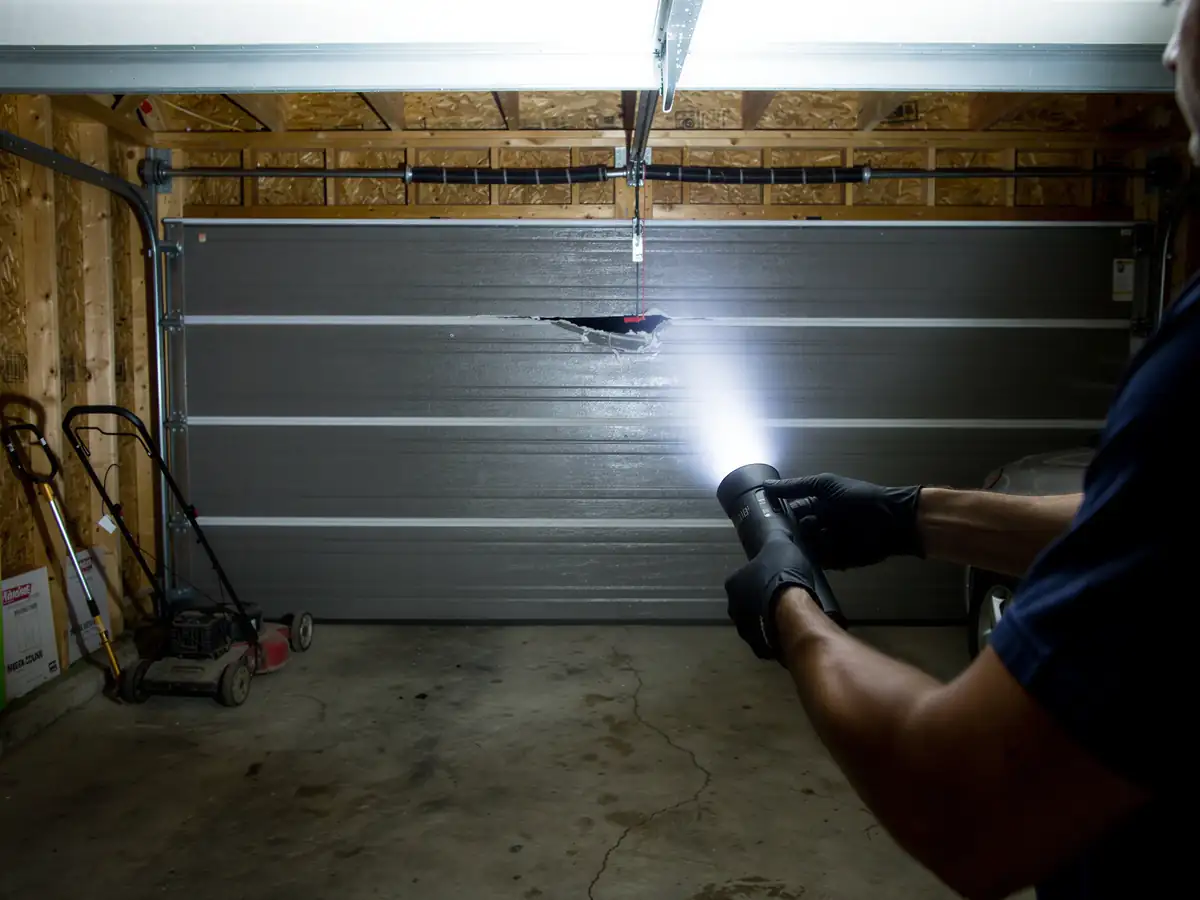
A broken torsion spring on a double door is the most common emergency call - the door won't lift, or it slams down hard because one spring let go and the other is carrying the whole load. On the newer stock typical of Brooklet, that's usually a standard-size spring, not a special order.
Cables fray and snap for the same reason springs give out - age and cycle count - and a snapped cable on a door that's still under spring tension is not something to force open by hand.
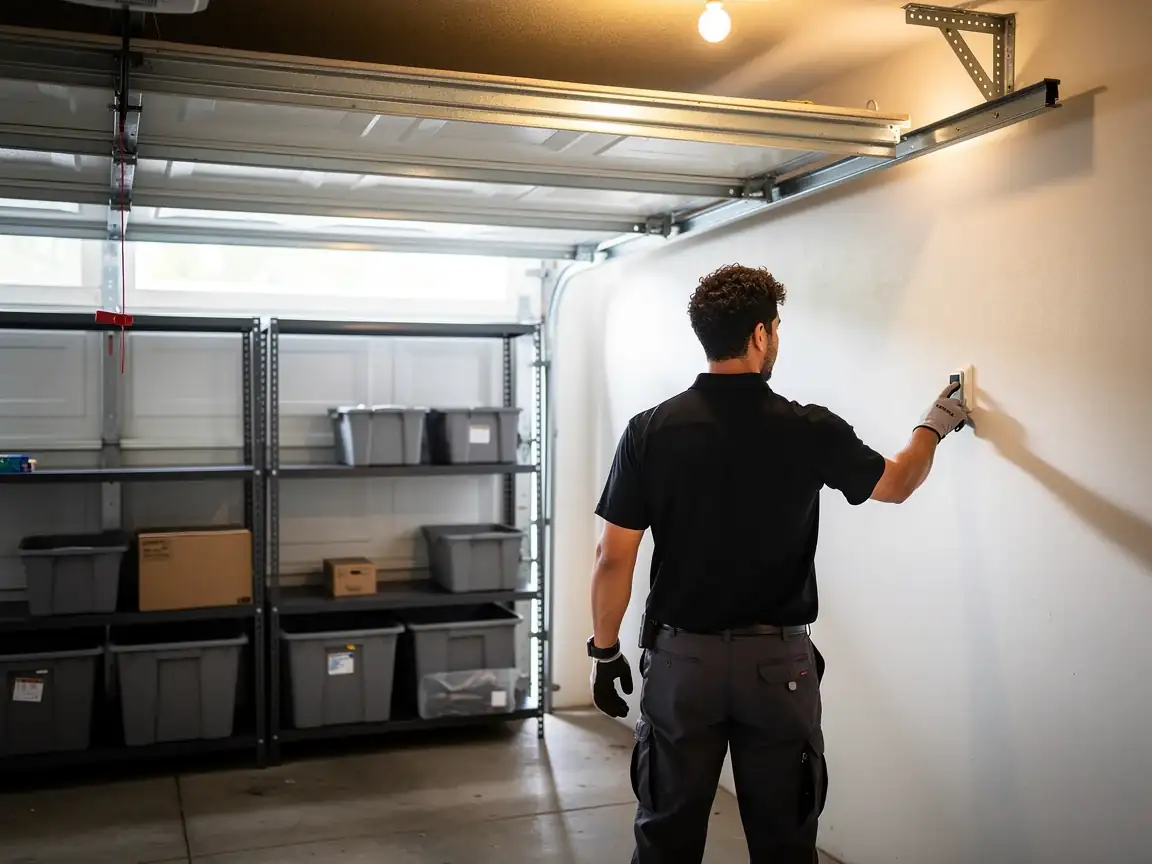
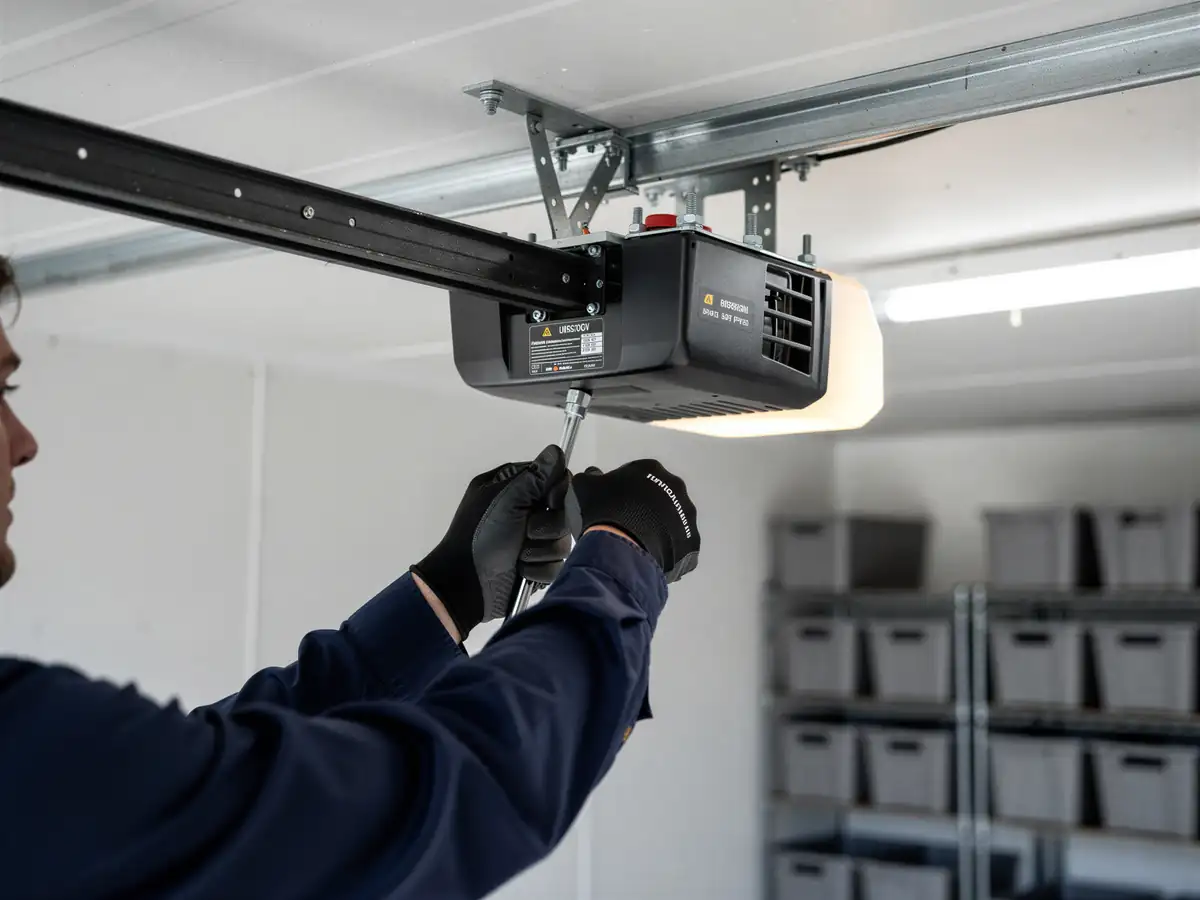
Openers from the original build era are also reaching the end of their working life. A chain or belt drive unit installed when the house was new is now old enough that the logic board or the drive gear is the point of failure, not just a bulb or a sensor.
What we won't do is tell you a repair is the right call when it isn't. If a door has multiple failures stacking up - spring, opener, and track misalignment all at once on a door that's already decades old - replacement is usually the better money, and we'll say so instead of patching around it.
What the Repair Takes
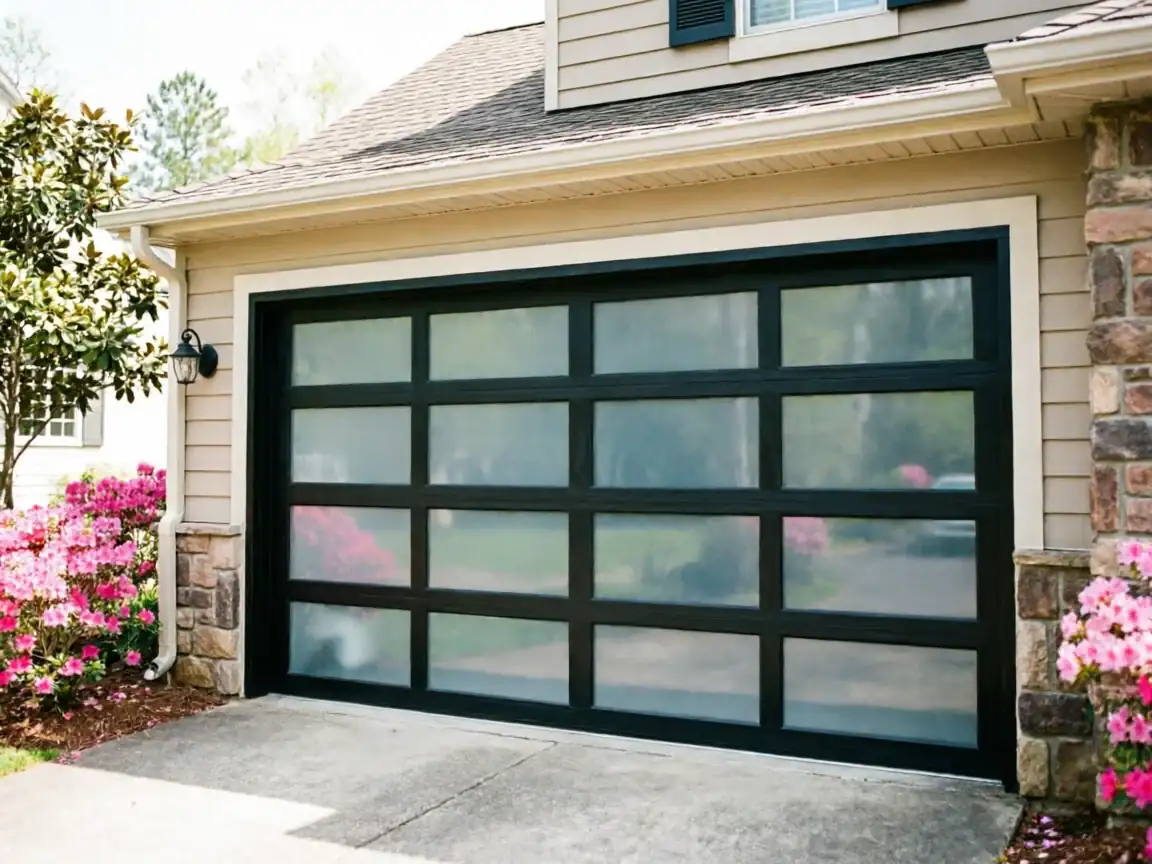
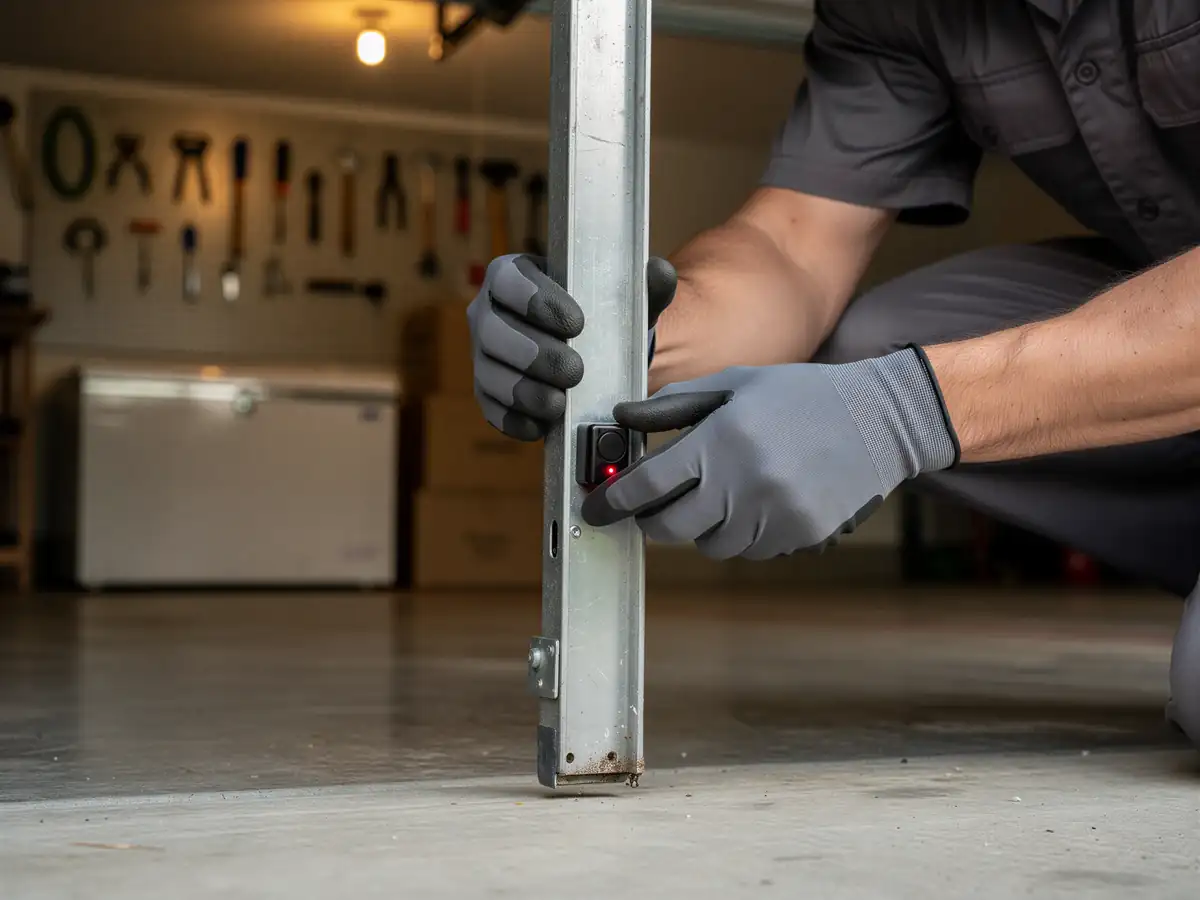
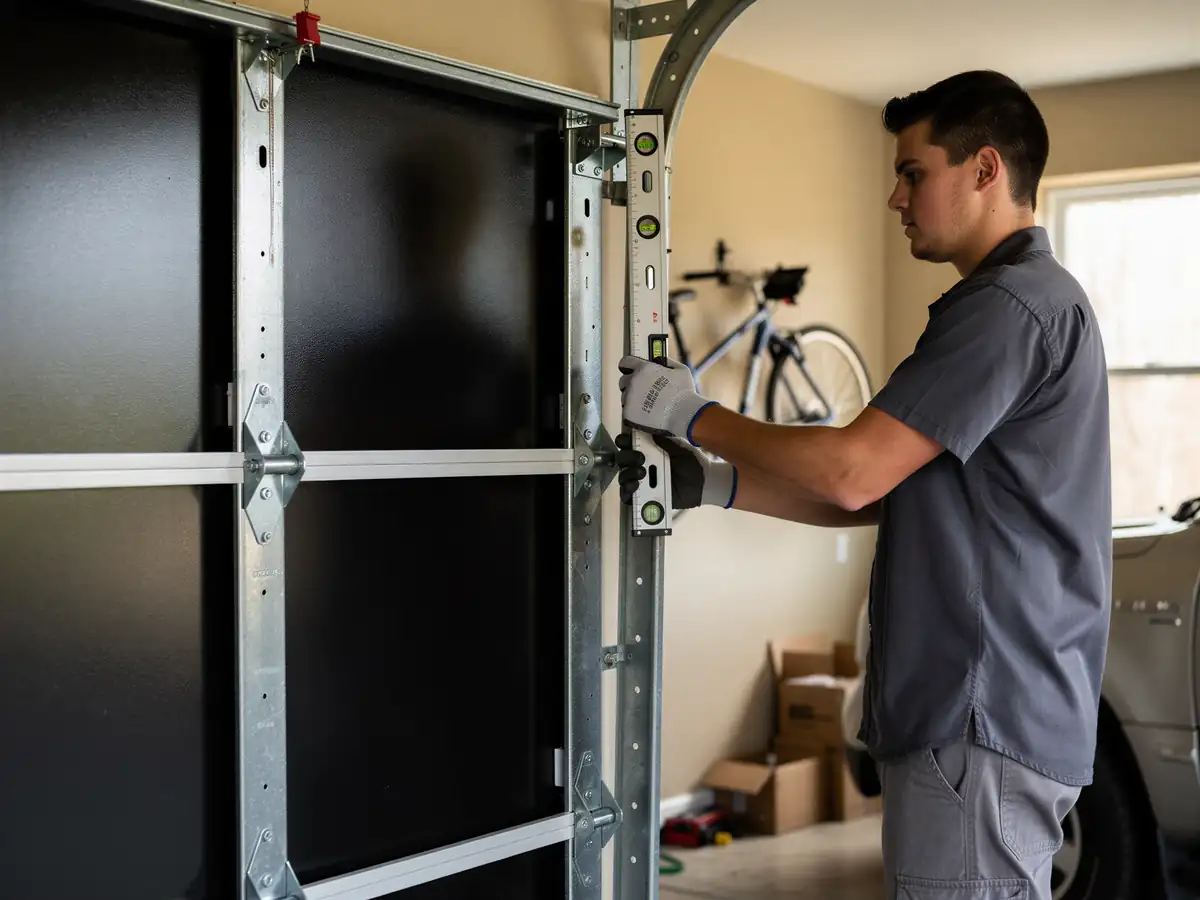
Most calls in Brooklet are a straightforward parts swap - springs, cables, rollers, or a new opener unit - matched to standard residential door sizes, which is what the newer housing stock here uses. We don't carry obsolete or oversized hardware on the truck because it's rarely what this area needs.
Climate here is mild with occasional freeze, which is easier on garage door hardware than a harsher climate would be - less thermal cycling stress on springs and less risk of ice jamming a track. That's a small advantage, not a reason to skip maintenance.
One honest limit: if a part is genuinely non-standard - an older door someone installed used, or a custom-width opening - lead time on that part can push the job out past what a same-week visit allows. That's uncommon in Brooklet given the building era, but it happens.