What Causes It Around Here
Start with the door itself
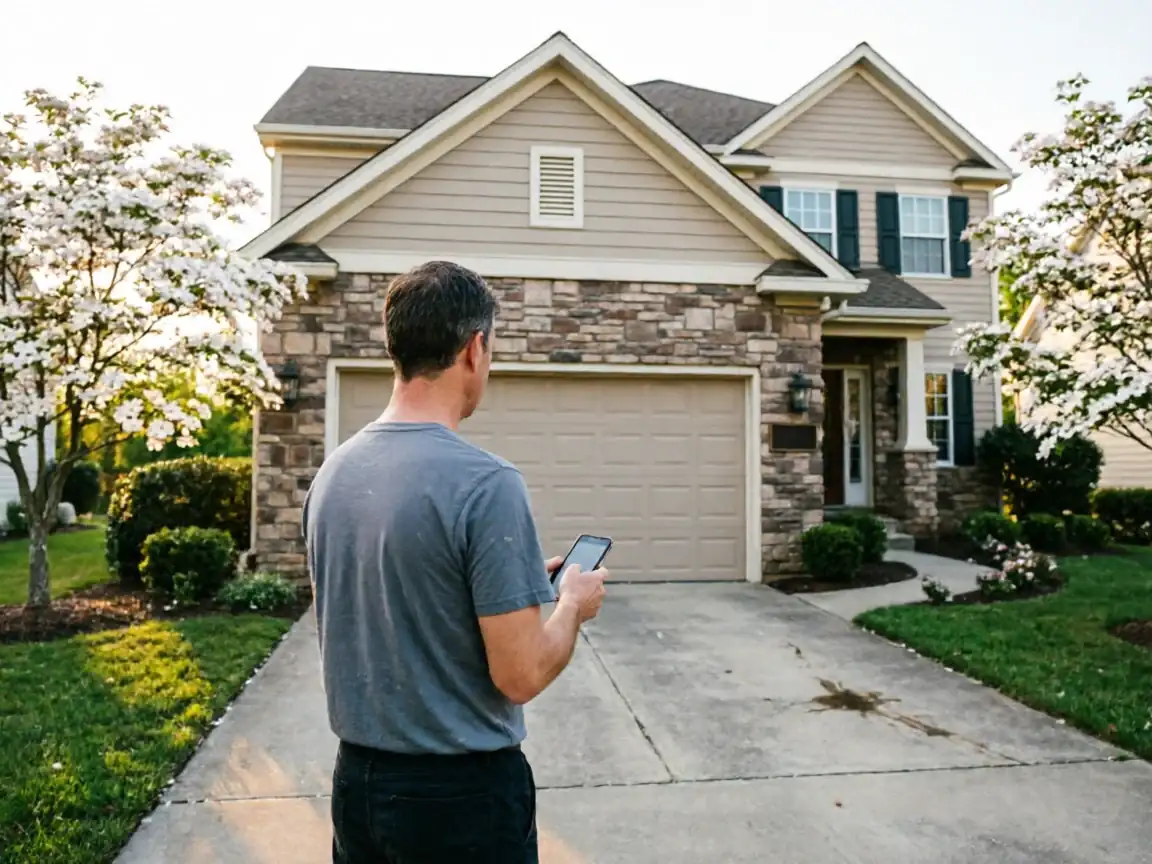
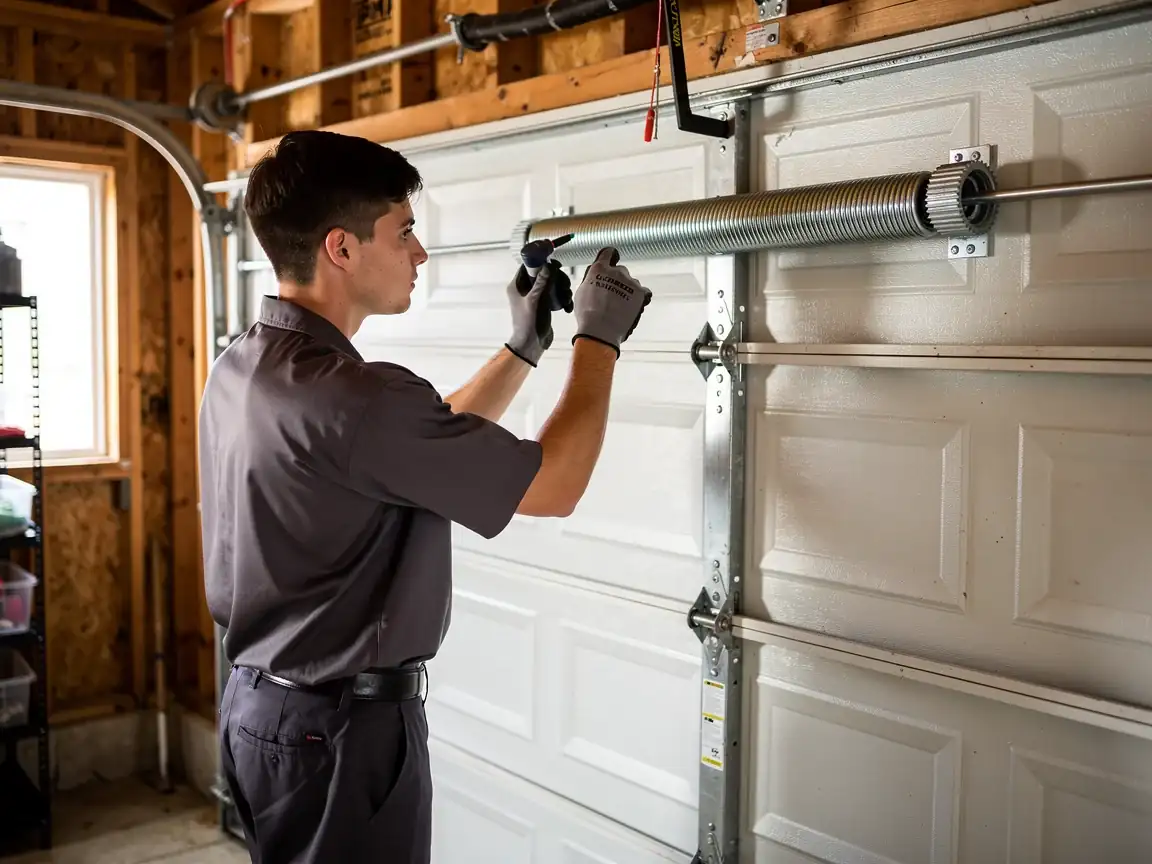
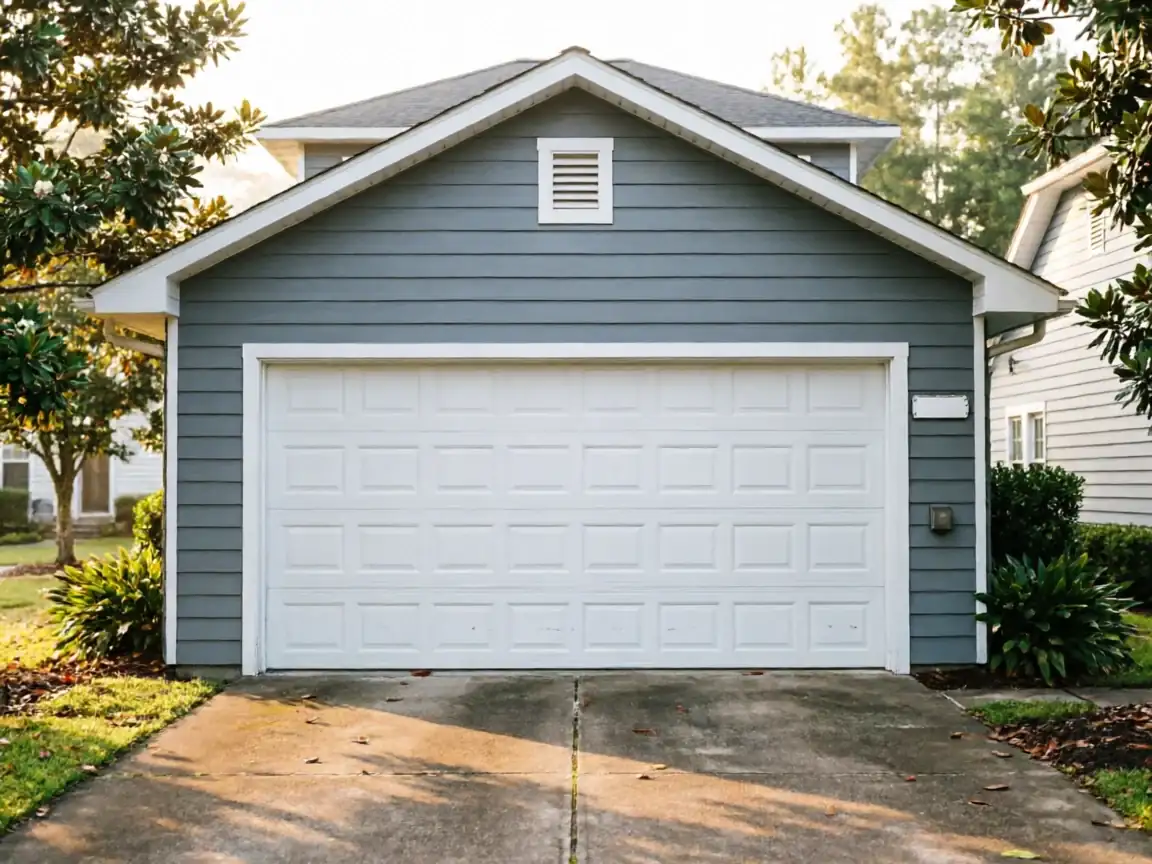
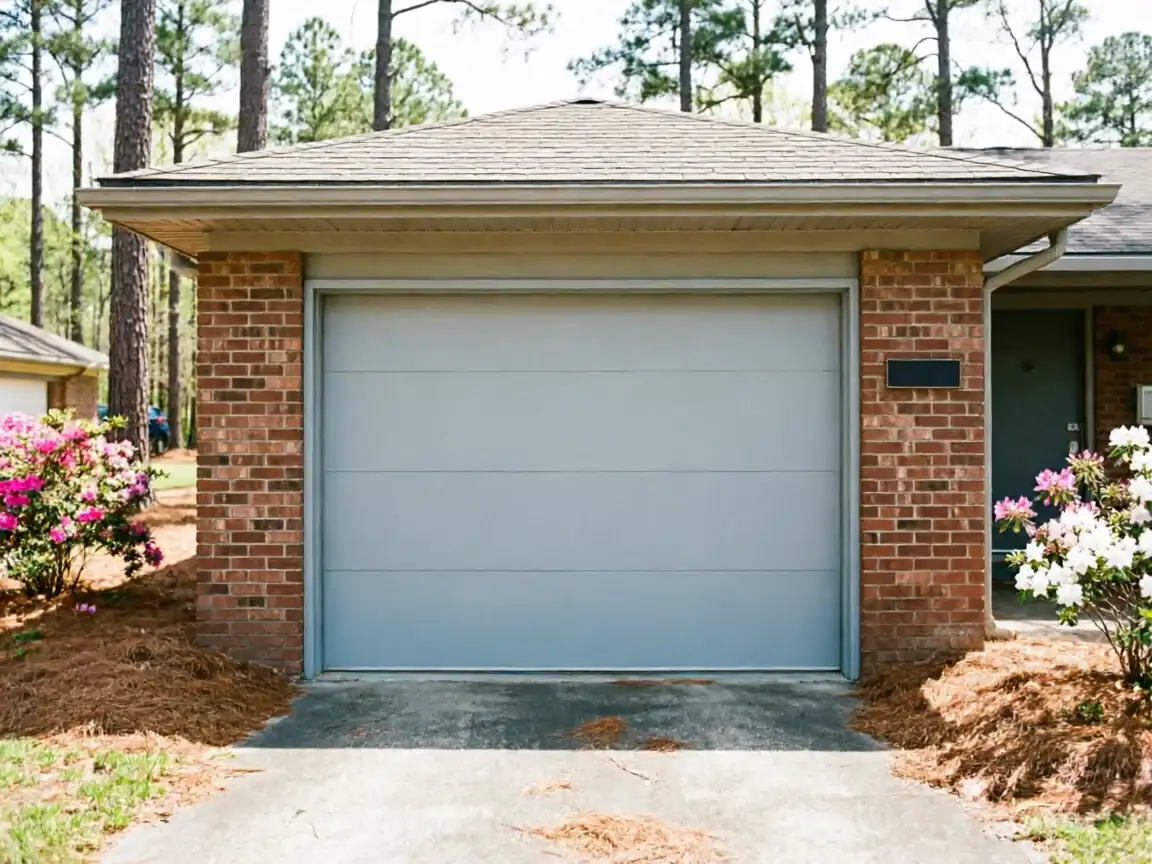
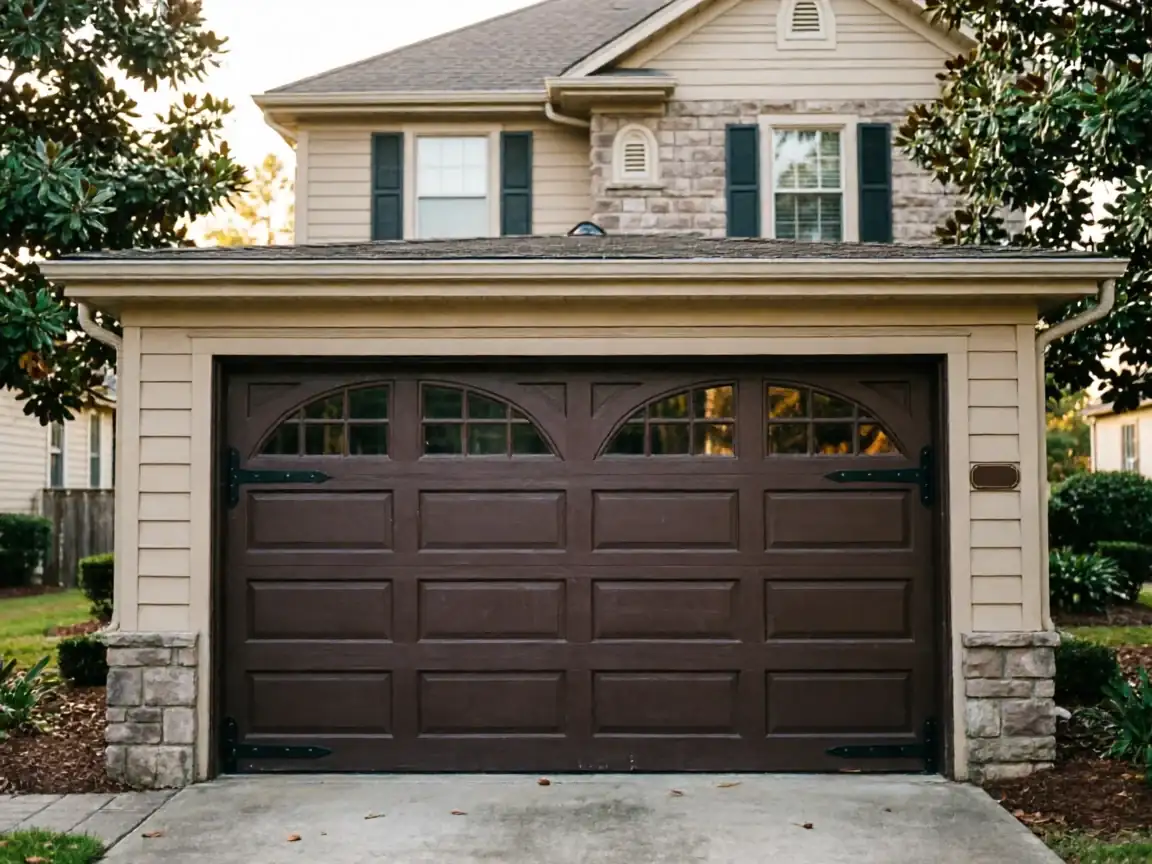
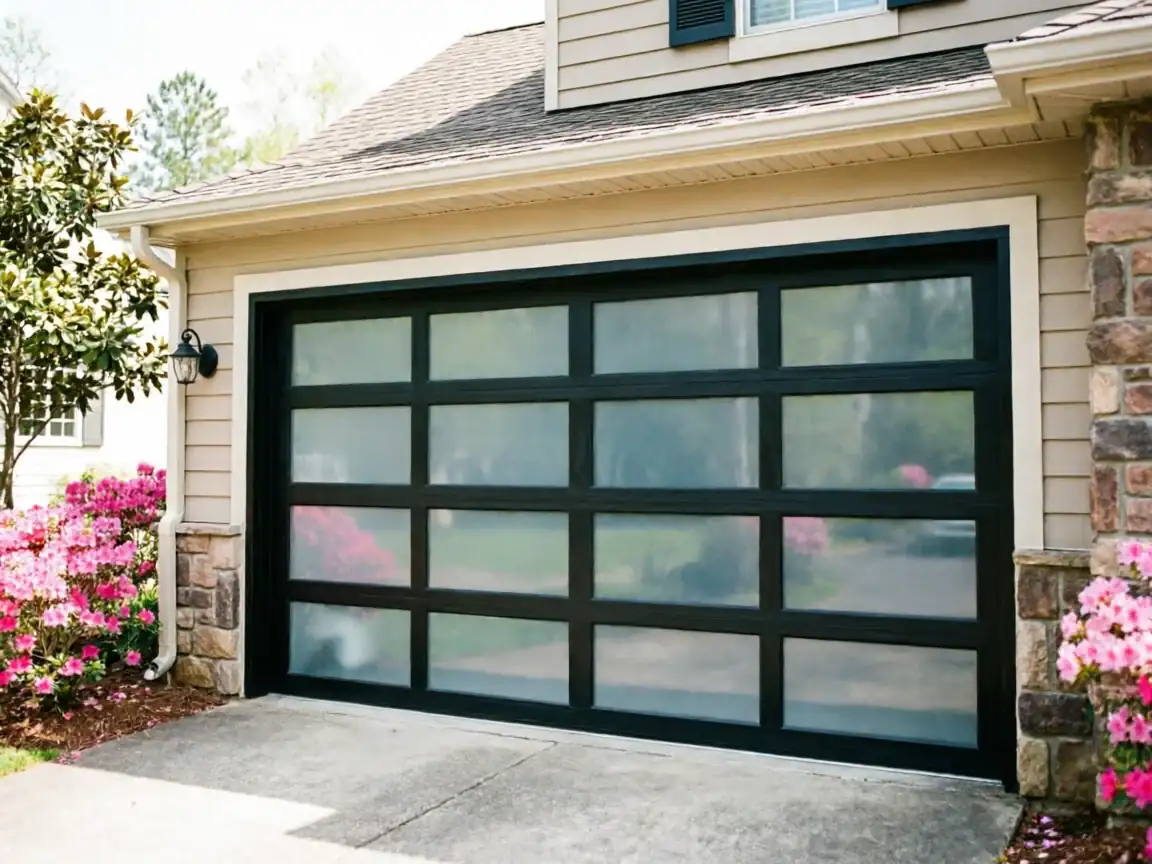
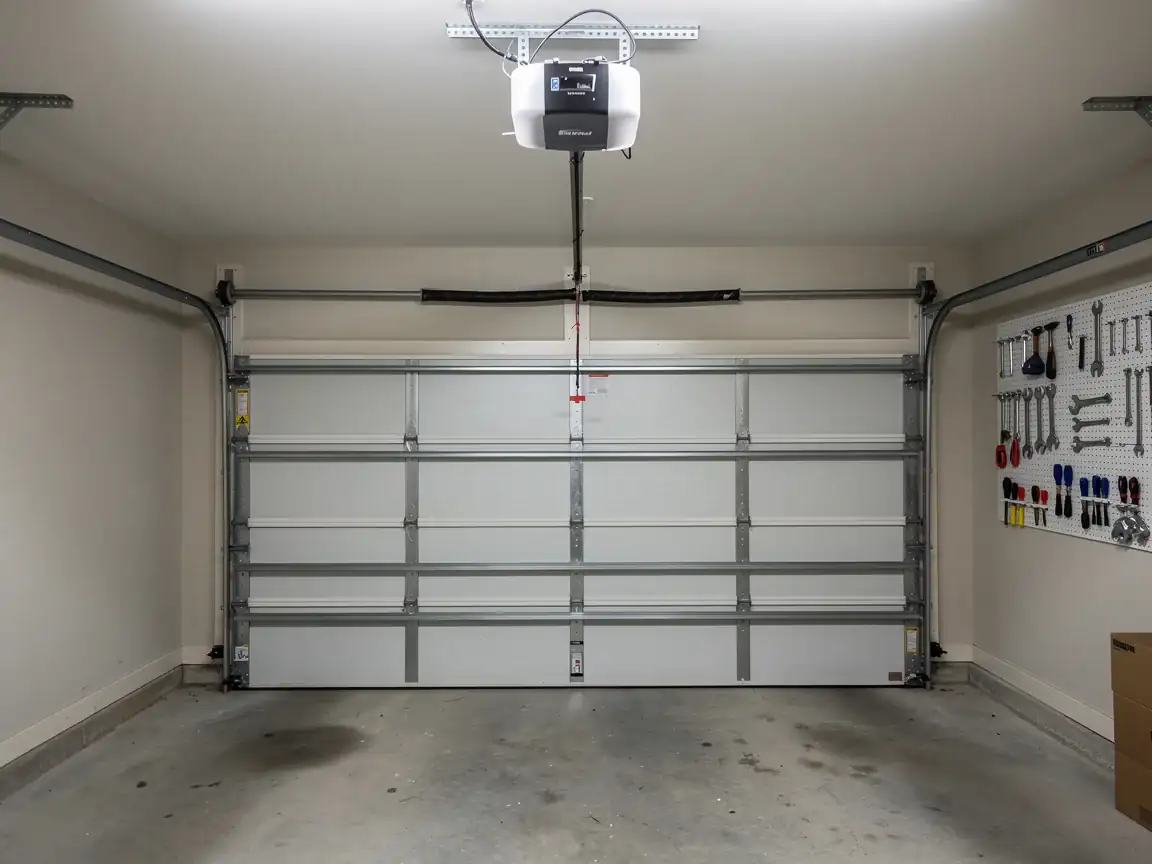
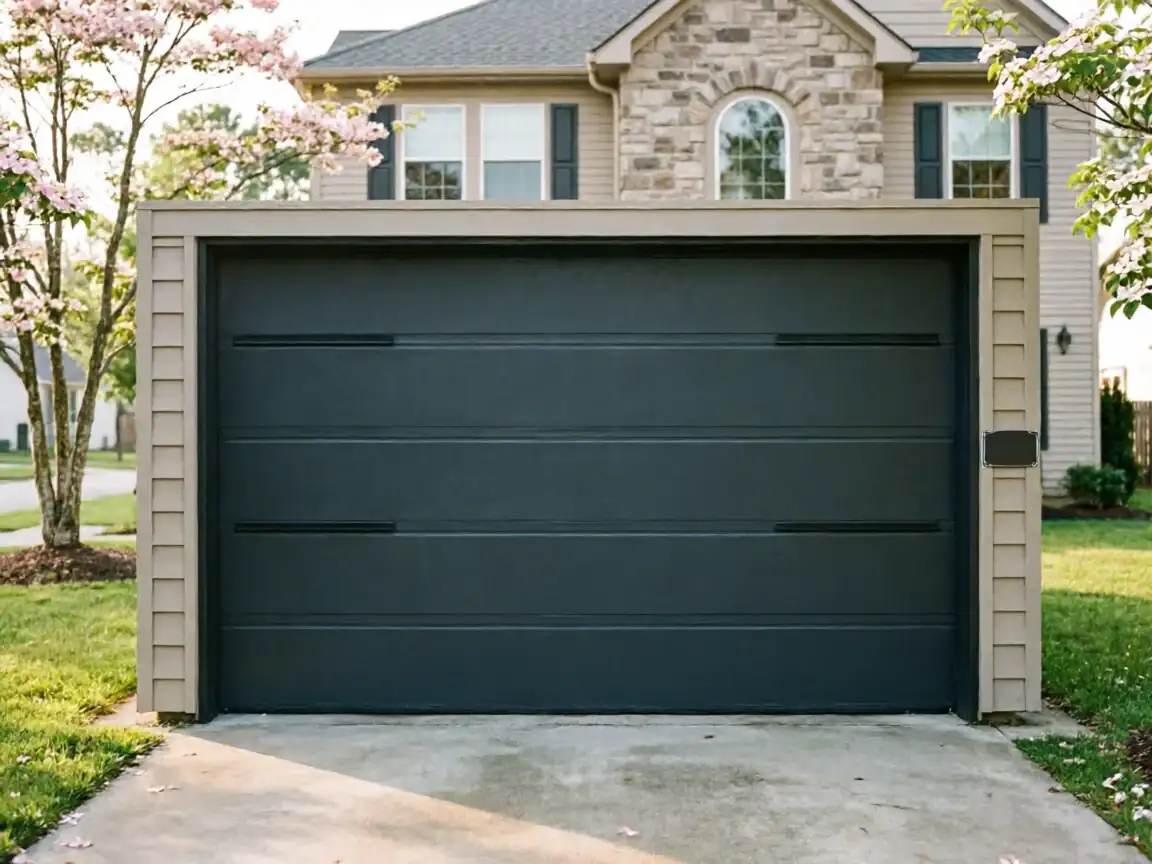
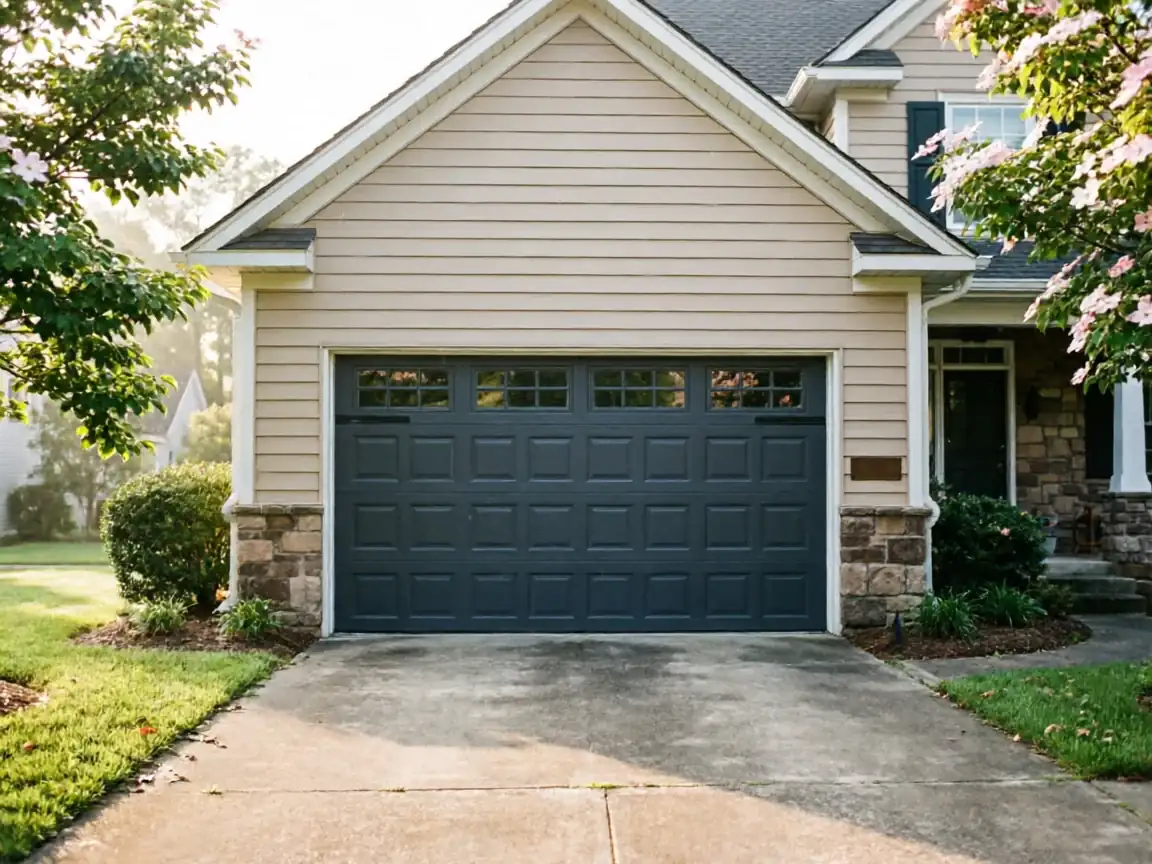
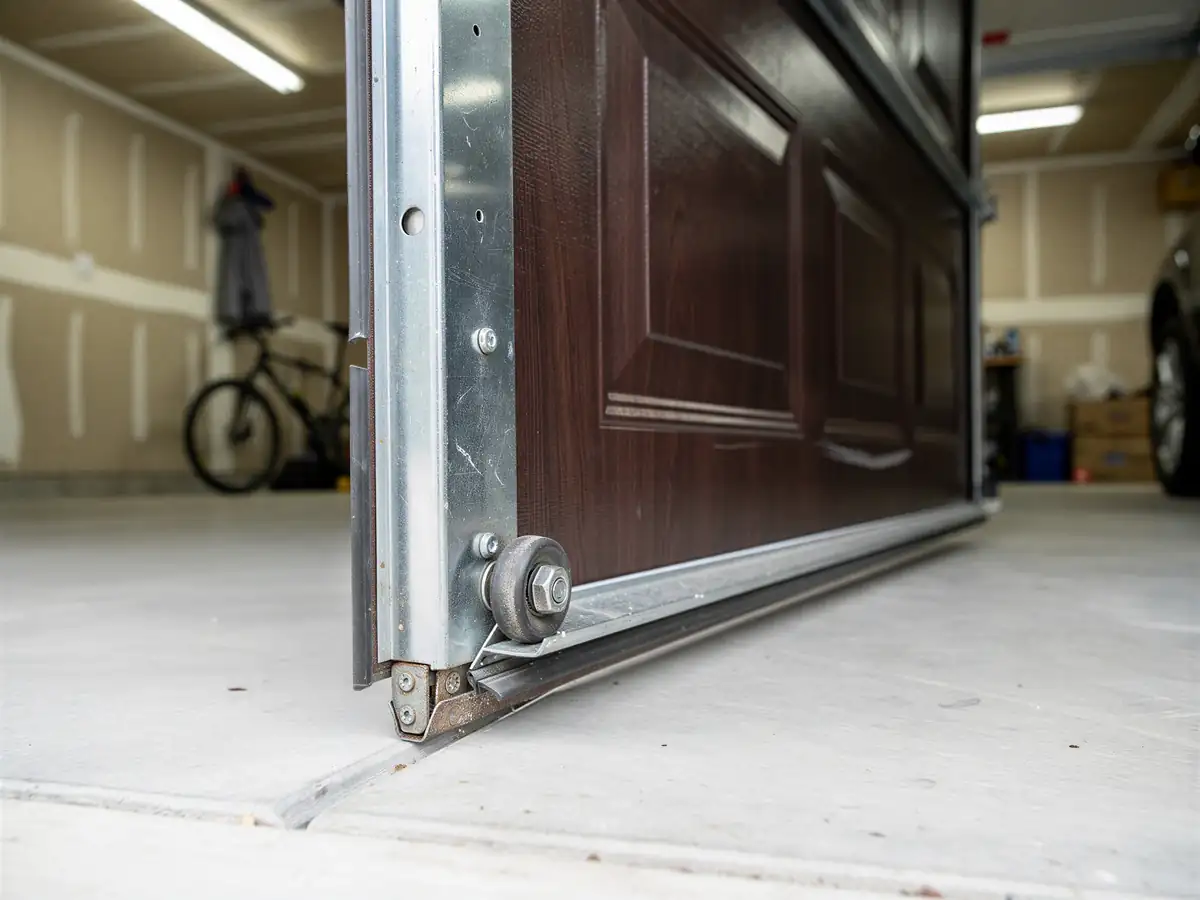
Brooklet's houses mostly date to around 1992, newer than much of the wider service area where construction ran 1975 to 1992 with a median of 1978. That means the garage doors out here are later-era steel sectional units - standard 16x7 double doors or 9x7 singles, hung on torsion springs sized for a heavier panel than the older stock closer to town. The openers installed with those houses are now over thirty years old: half-horsepower chain-drive units with worn nylon gears, pitted drive sprockets, and circuit boards that have outlived their design life.
The mild climate here with occasional freezes doesn't crack circuit boards outright
But thirty years of humidity swings still corrode the gear housing inside an original opener. You don't get the sudden failure a hard freeze causes further north - you get the slow kind, where the motor strains a little more each month until it just stops catching the chain. By the time an owner calls, the opener has usually been struggling for a year or more.
How Long It Takes
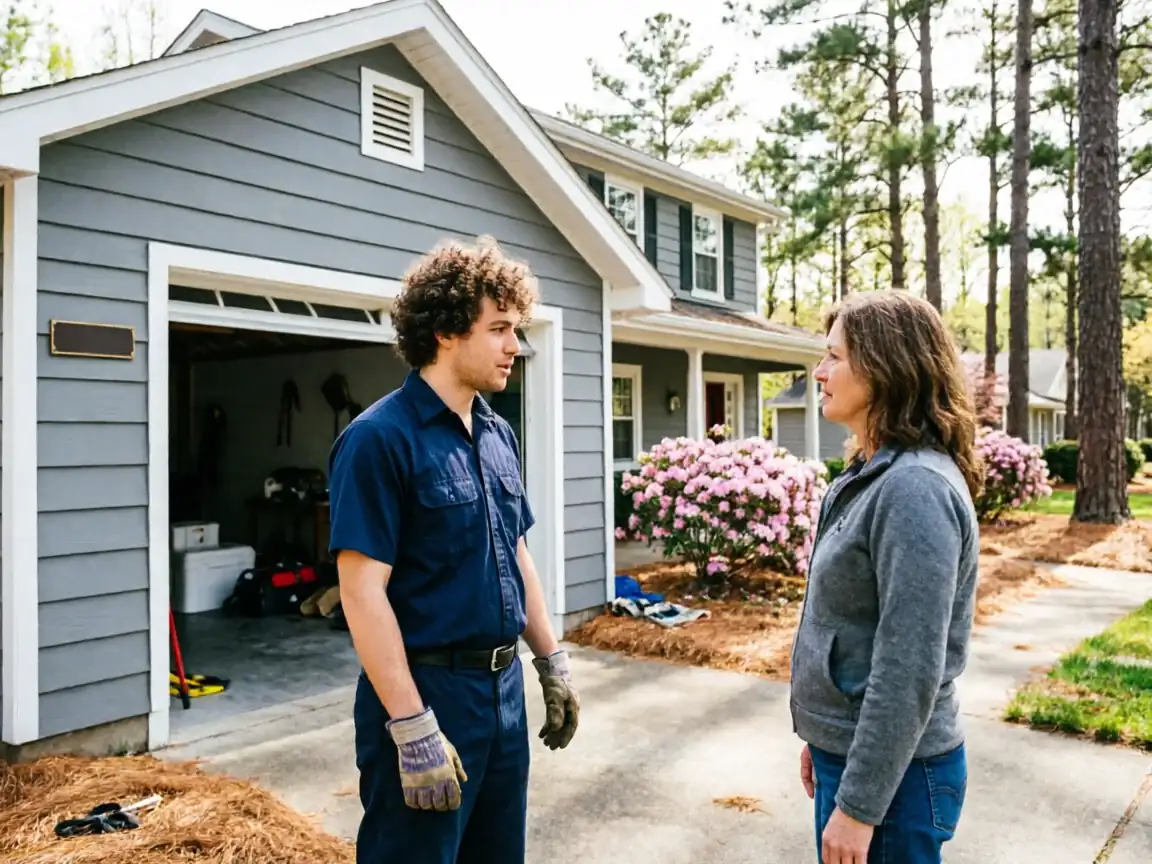
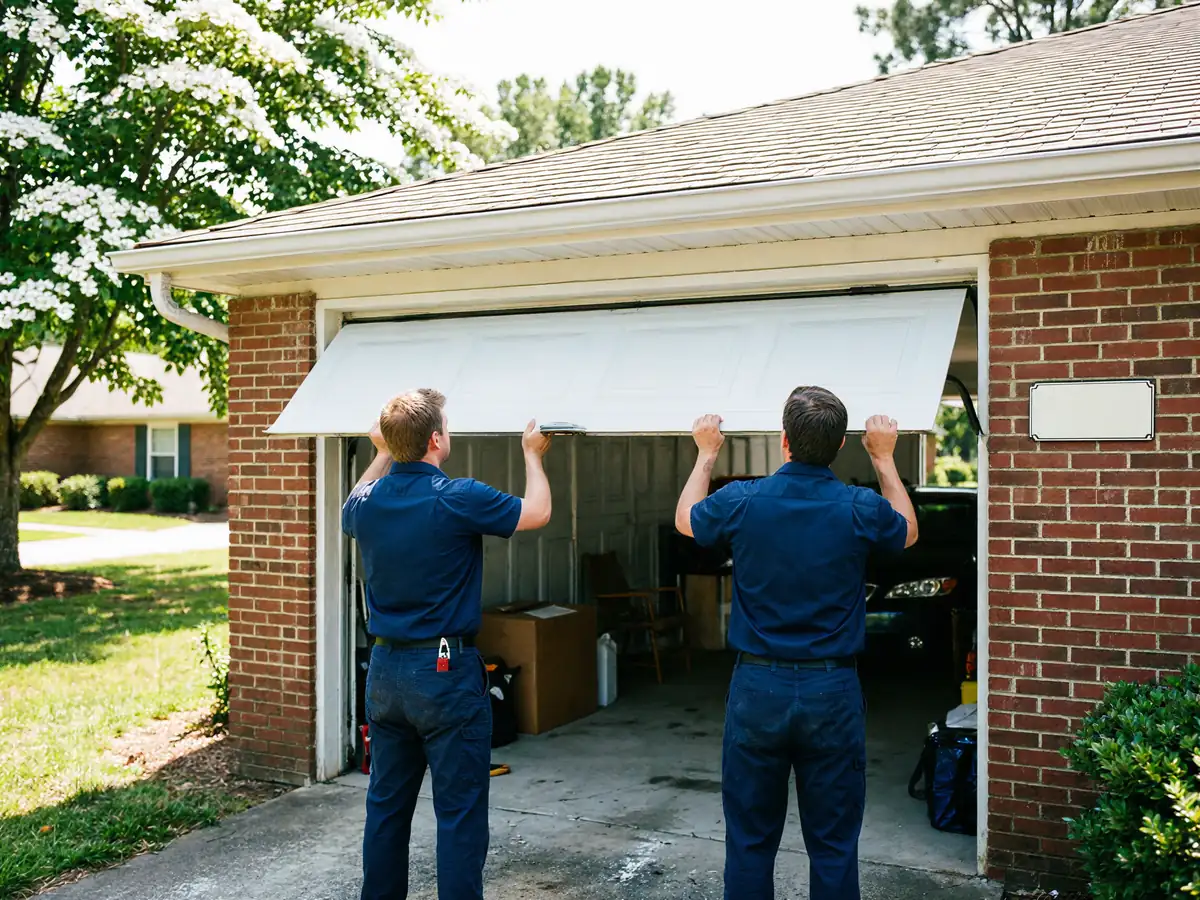
We make the 7-mile drive out from Statesboro for every Brooklet install. Once we're on site, swapping a dead chain-drive unit for a new opener - matched to the door's actual weight and spring tension rather than guessed at - usually runs well under half a day. That assumes the rail, mounting bracket, and wiring are in reasonable shape.
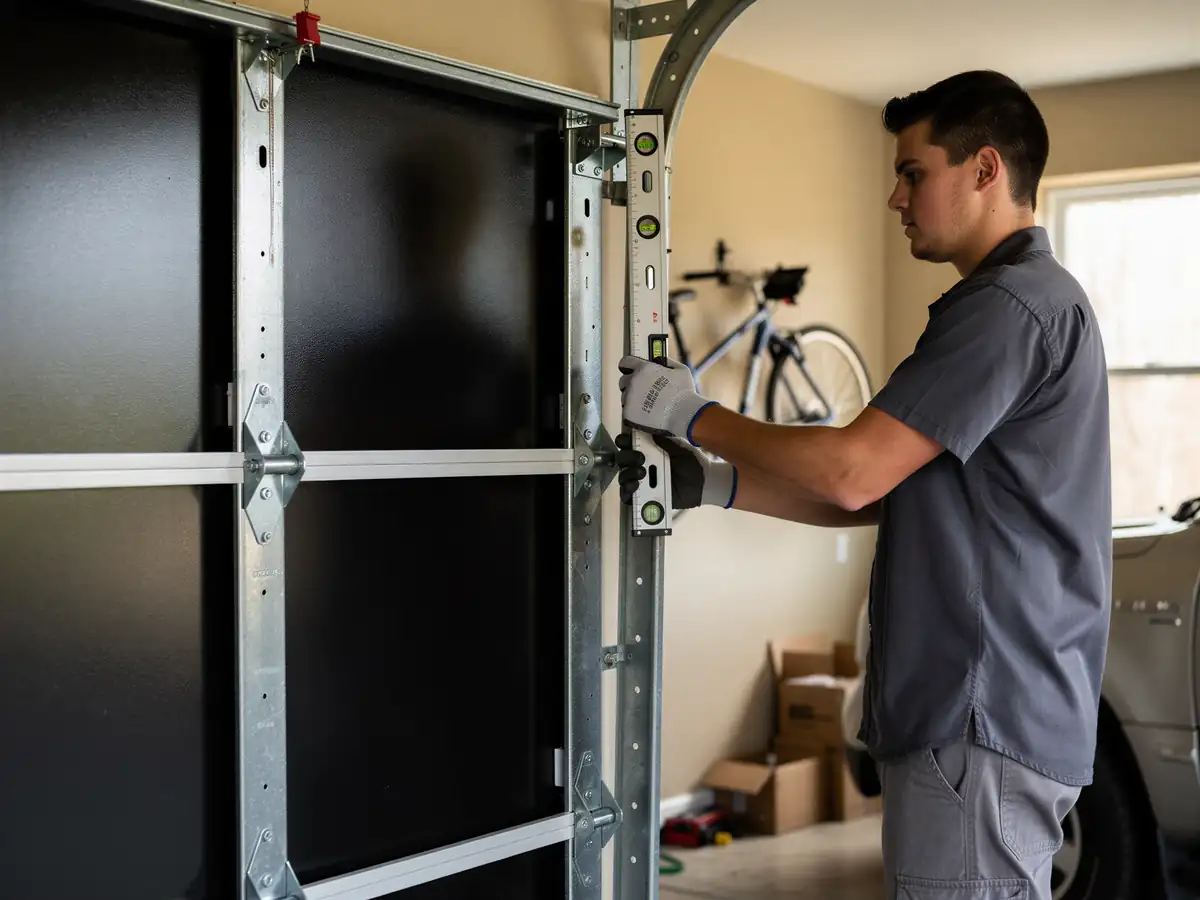
What stretches a job isn't the opener itself, it's what's behind the old one. If the original mounting bracket was never reinforced for a 1990s-weight steel door, or the wall switch wiring predates the opener we're installing, we have to correct that first. We won't promise a same-visit finish on every house sight unseen - some jobs turn up a second problem once the old unit comes down. That's the honest version: most installs are quick, a few aren't, and we'd rather tell you that upfront than rush a bracket that isn't rated for the door.
What Can Go Wrong
The most common mismatch we find in Brooklet is an opener sized for the wrong door. A 1992-era double door is heavier than the 1960s and 70s stock common closer to Statesboro, and a replacement opener that isn't rated for that weight will run hot, strain the gears, and fail again within a couple of years.
With Brooklet's median household income near $47,500, below the service area's $55,125, most owners we talk to want the opener that does the job without extra features they won't use - a reliable chain or belt unit with a battery backup, not a smart-home package they'll never set up. That's a reasonable call, and we size openers to the door and the budget, not the other way around.
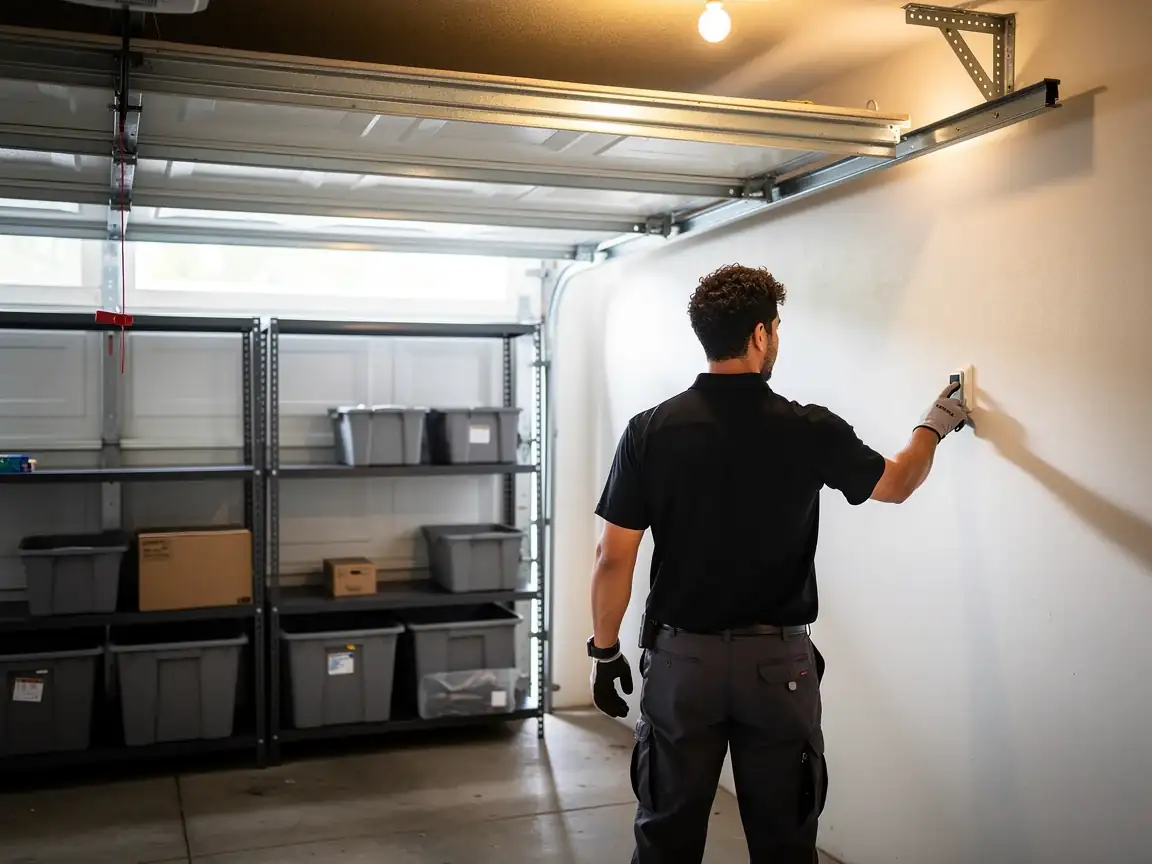
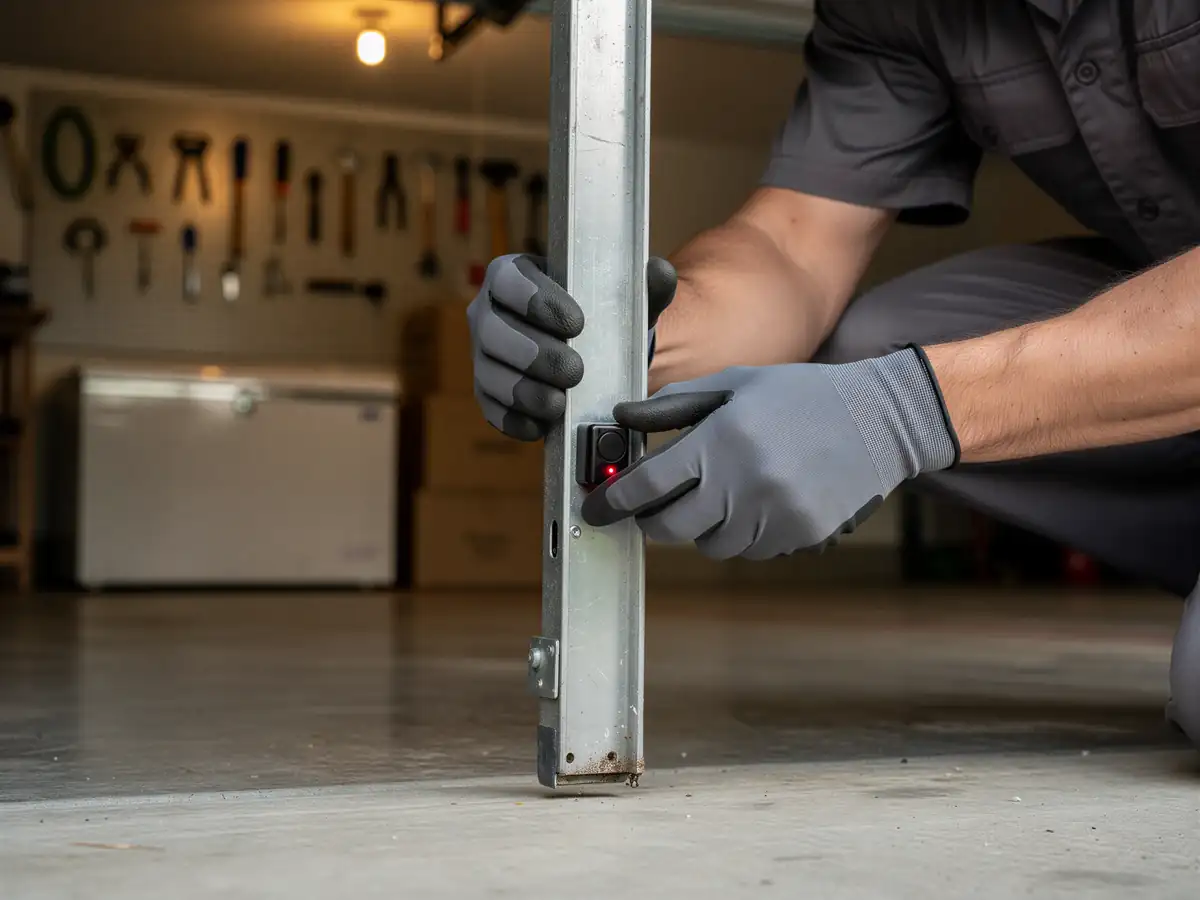
Safety sensor alignment is the other recurring issue on older garages: the photo-eye brackets get bumped by lawn equipment or a parked bike over the years, and a new opener will refuse to close until those are reset and squared up. It's a five-minute fix once you know to look for it, but it stops a lot of DIY installs cold.
What You Are Seeing
The opener motor runs
You hear the hum, see the light - but the door doesn't move, or it jerks a few inches and stops. That's usually a stripped drive gear inside a thirty-year-old unit, not the door itself. A remote that used to work from the driveway and now needs you standing under the opener points to a dying radio board, not a battery.
Grinding or a sharp pop at the start of travel
Followed by the opener reversing immediately, often means the chain or belt has stretched past where the tension adjustment can take up slack. Blinking opener lights with no door movement at all is frequently the safety sensor pair - one knocked out of alignment, one dirty - rather than anything wrong with the motor. None of these point to a bad door on their own; they point to an opener nearing the end of what it can do.
What the Repair Takes
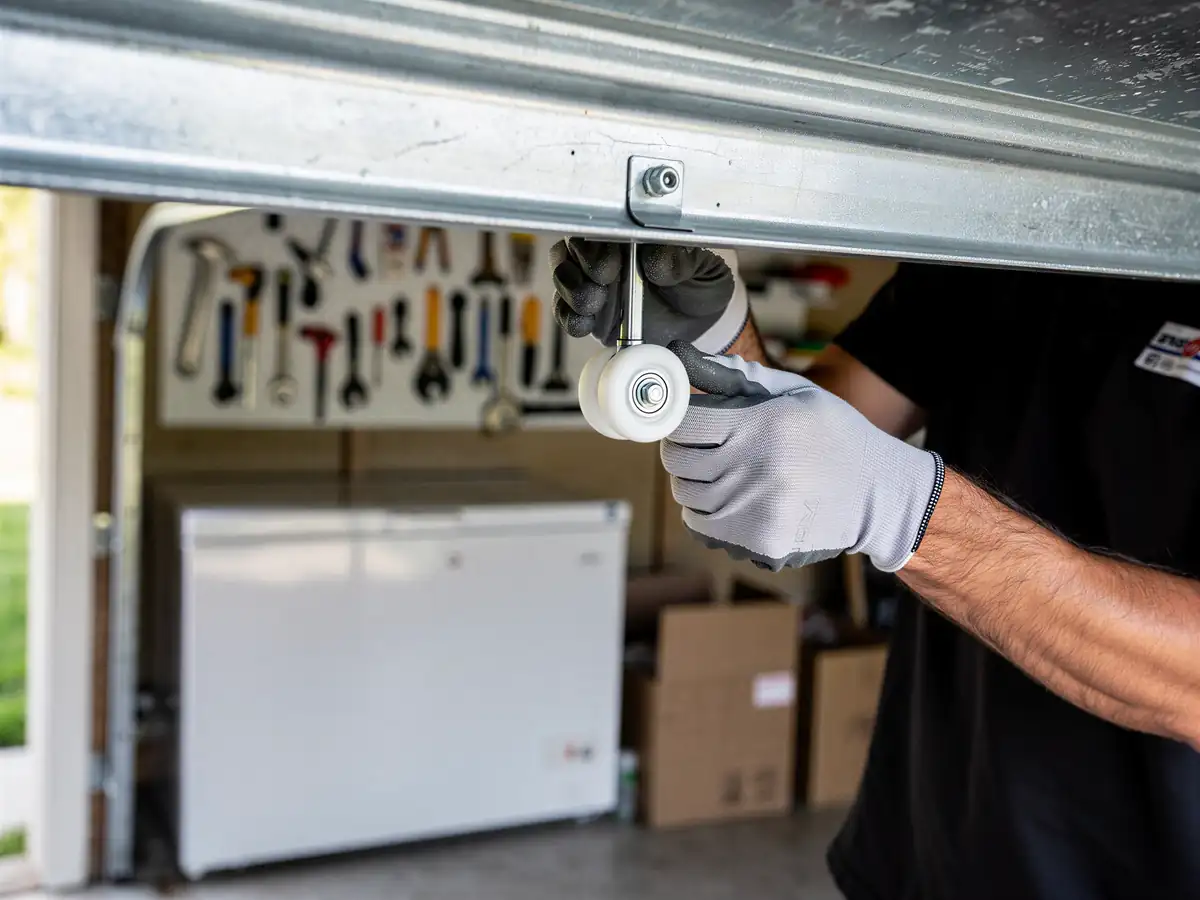
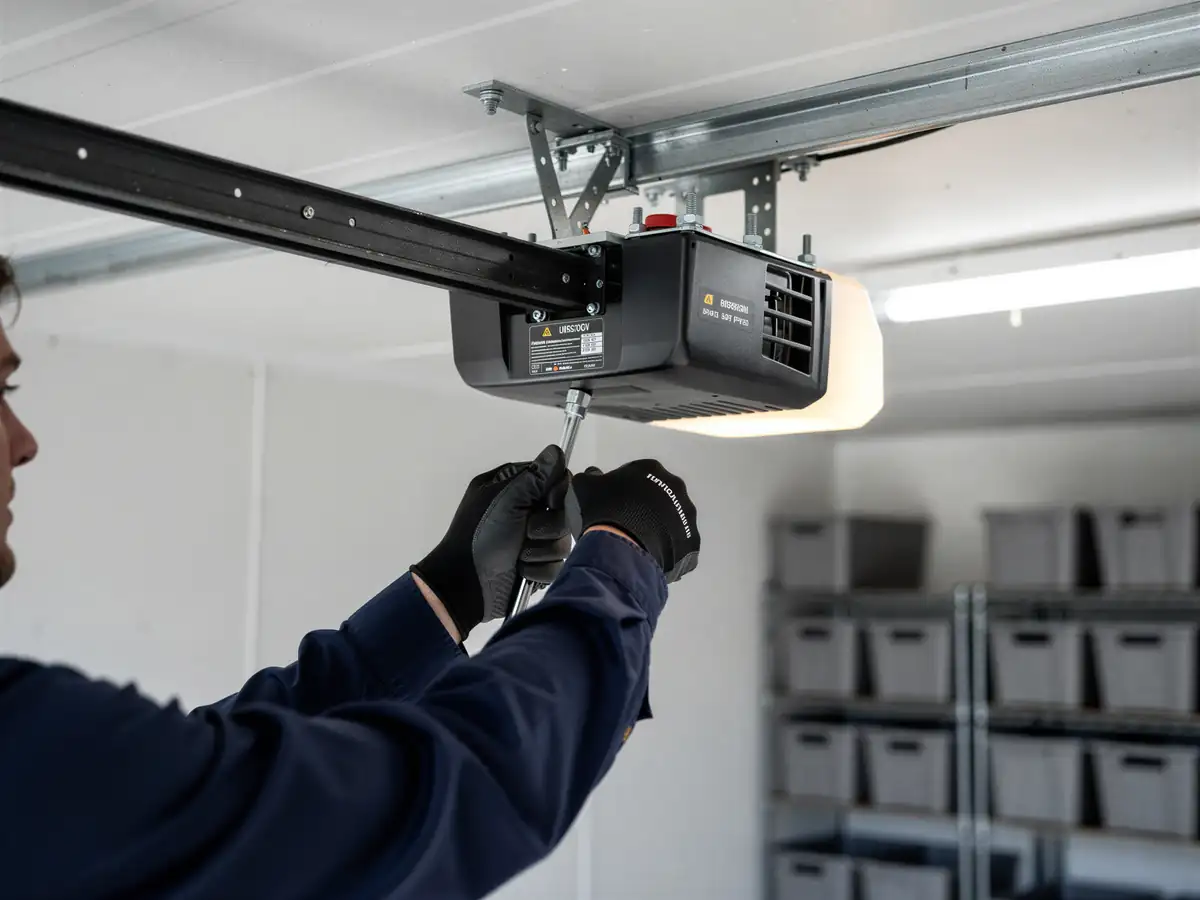
An opener install isn't a repair in the strict sense - we're not patching the old unit, we're pulling it and setting a new one matched to the door. That means a new rail, a new motor head, new safety sensors if the originals are out of spec, and new wiring to the wall control if the existing run won't support it.
Brooklet sits closer to Statesboro than Metter or Newington, which is why we can still get an opener install done in a single trip out rather than splitting it across two visits. What we can't always control is parts - certain belt-drive rail lengths or battery-backup units aren't something we carry on the truck for every door size, and a job can wait on a part for a day or two. We'll tell you that at the quote, not after we've started pulling the old opener down.