What the Repair Takes
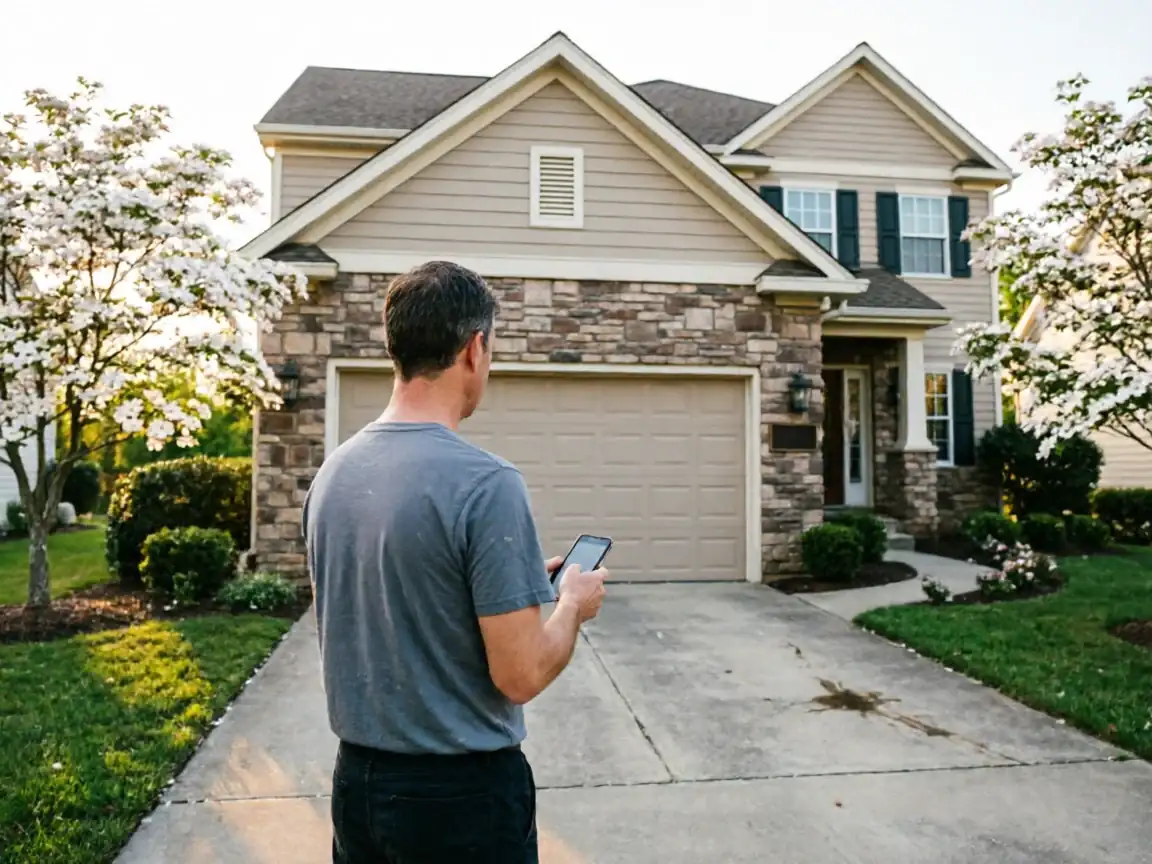
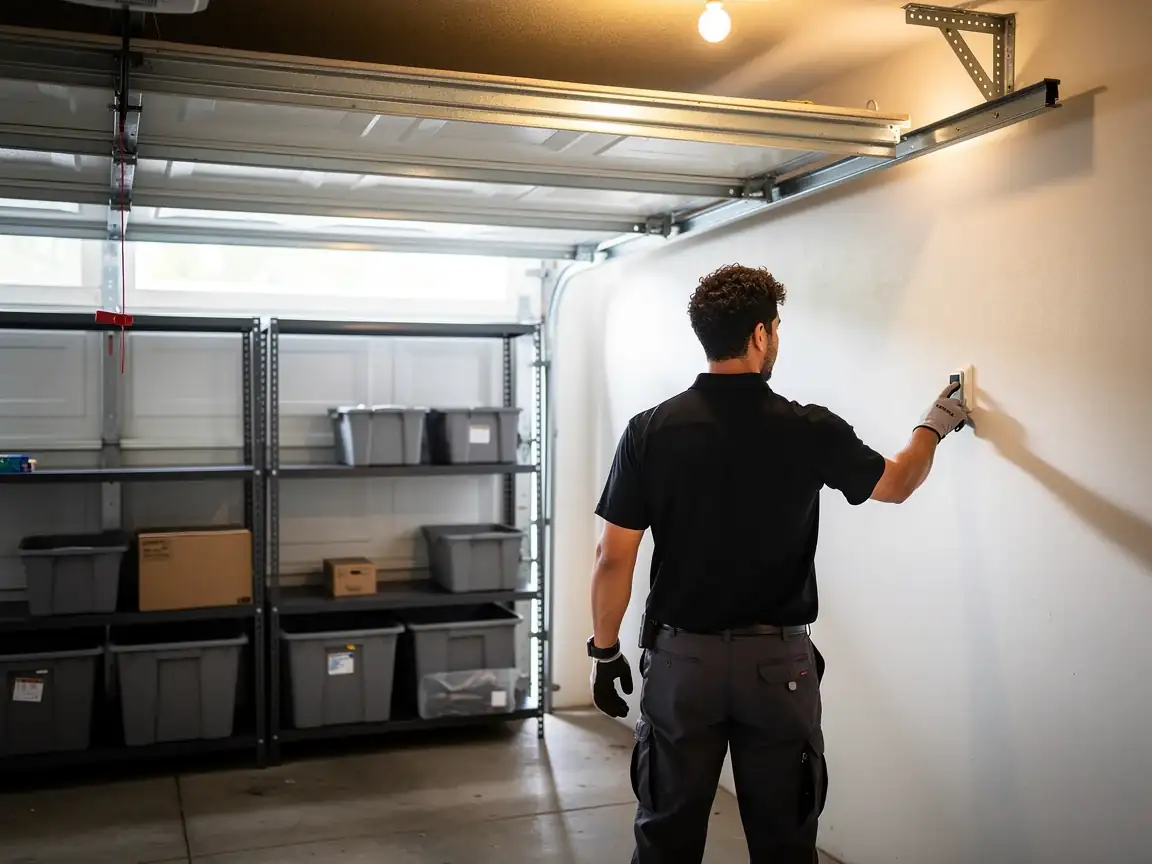
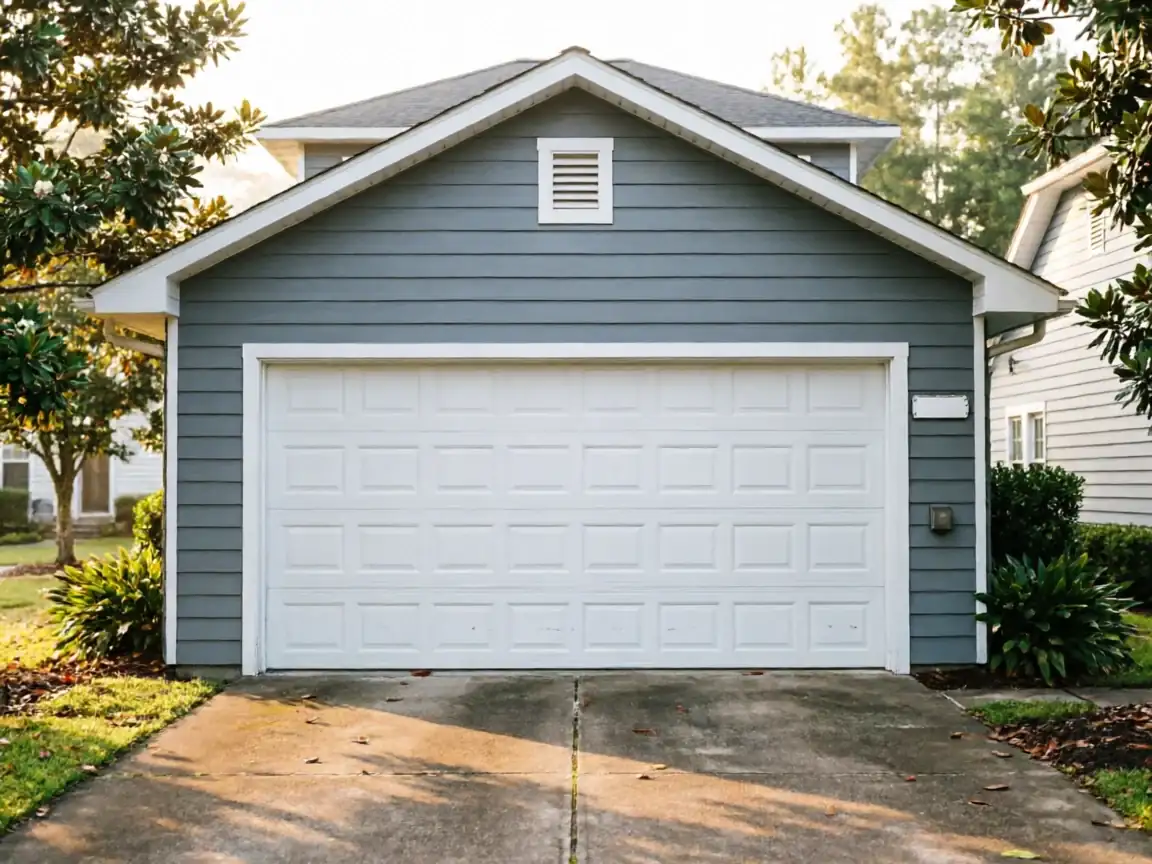
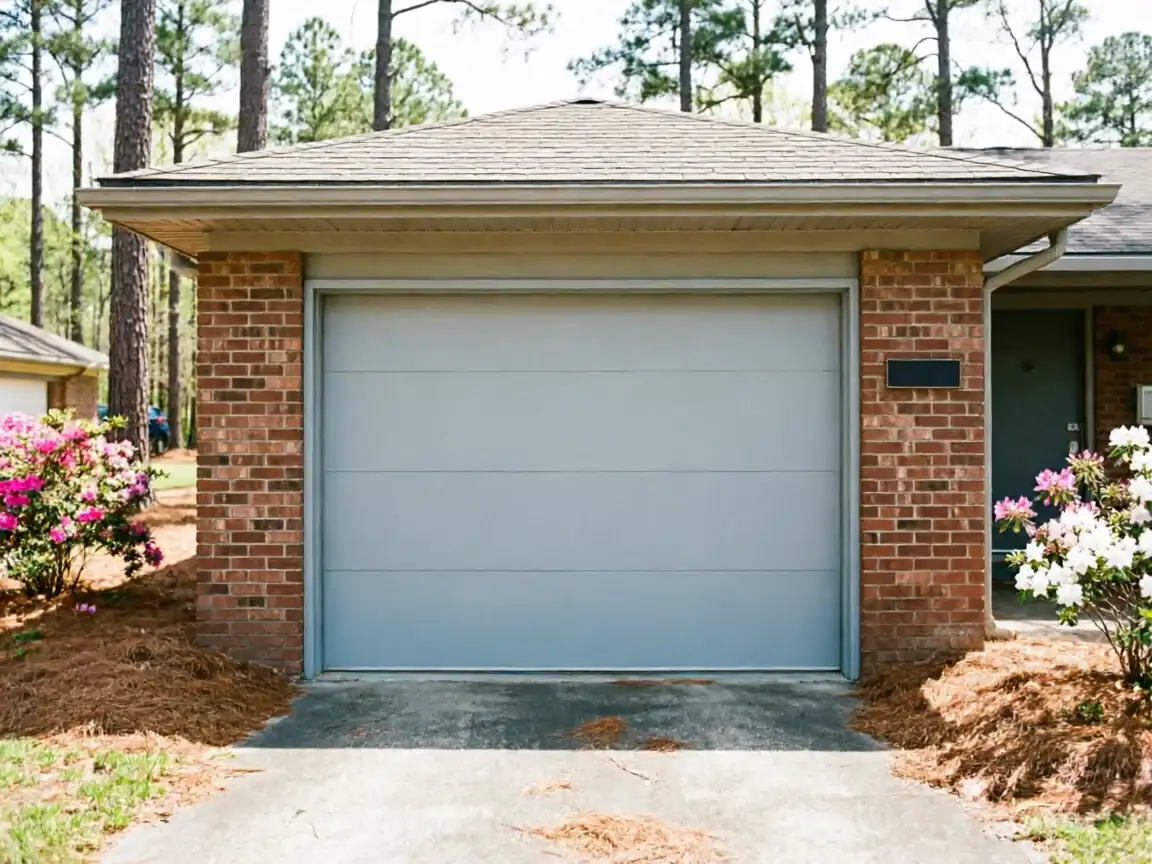
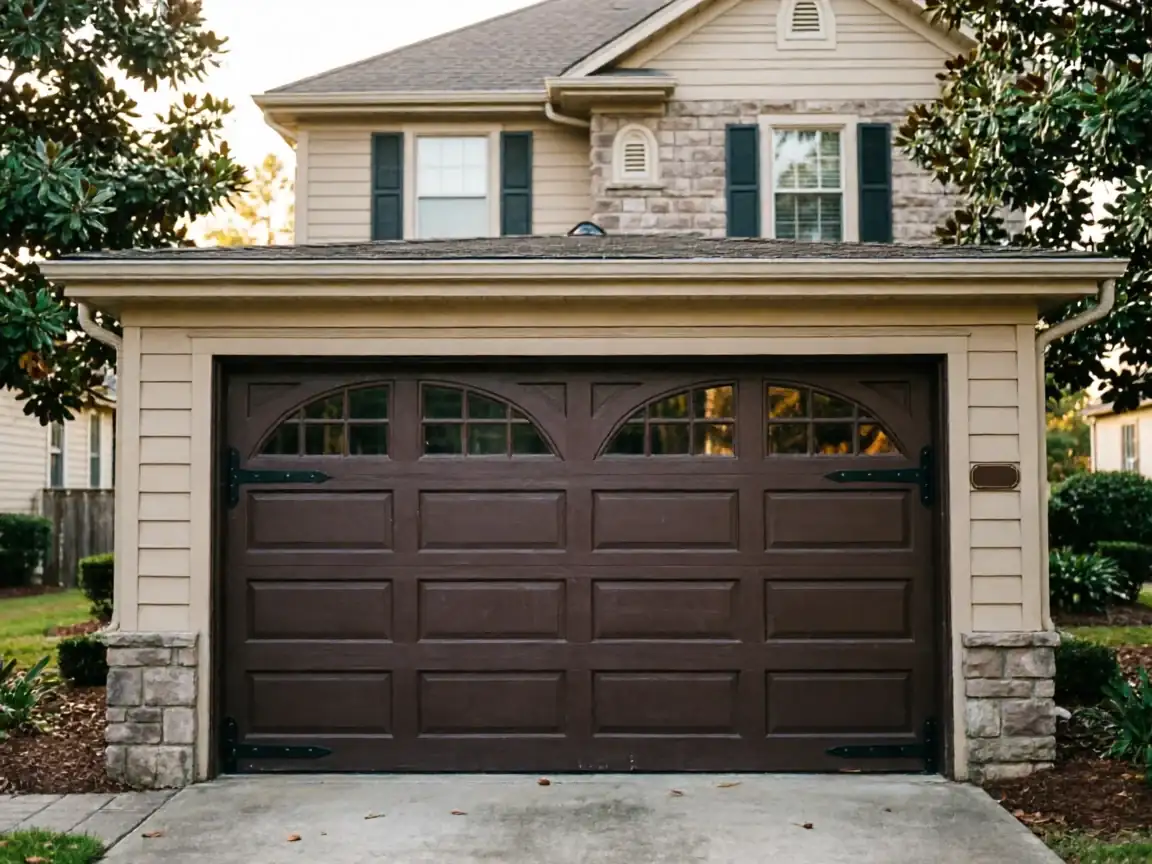
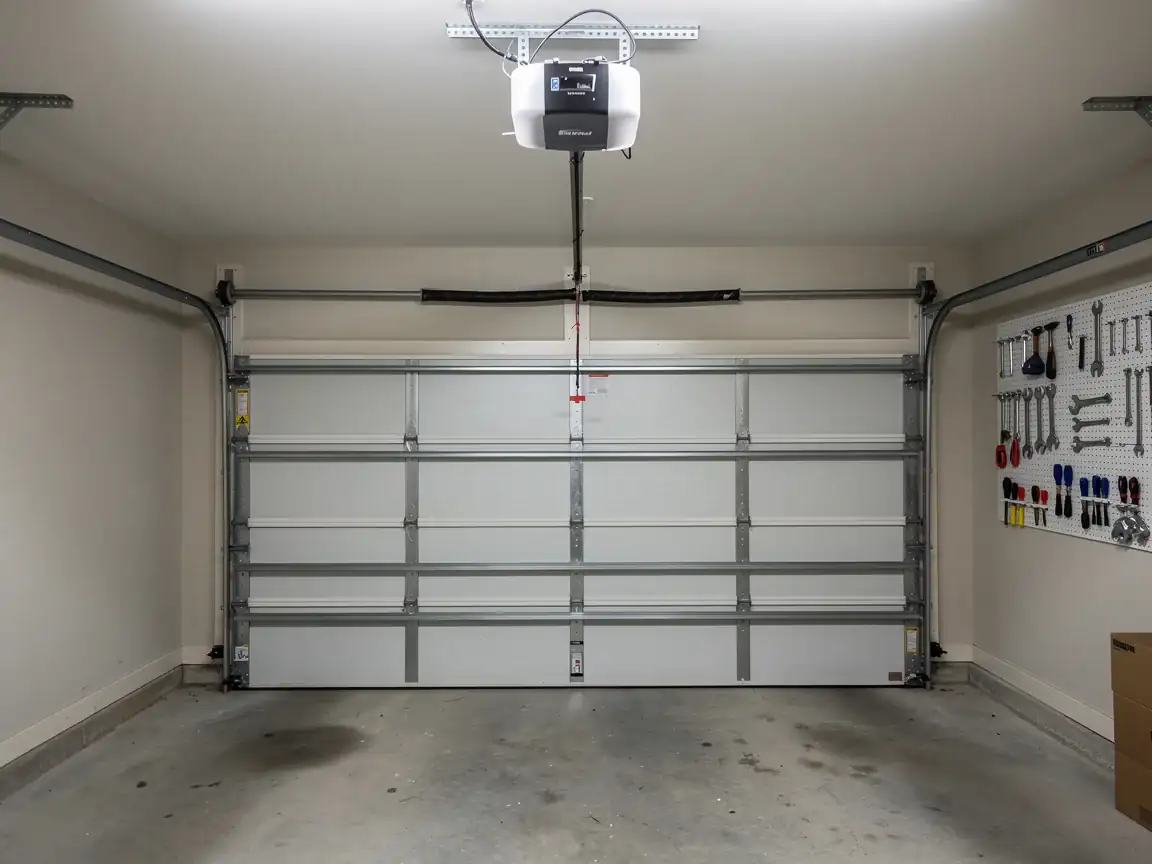
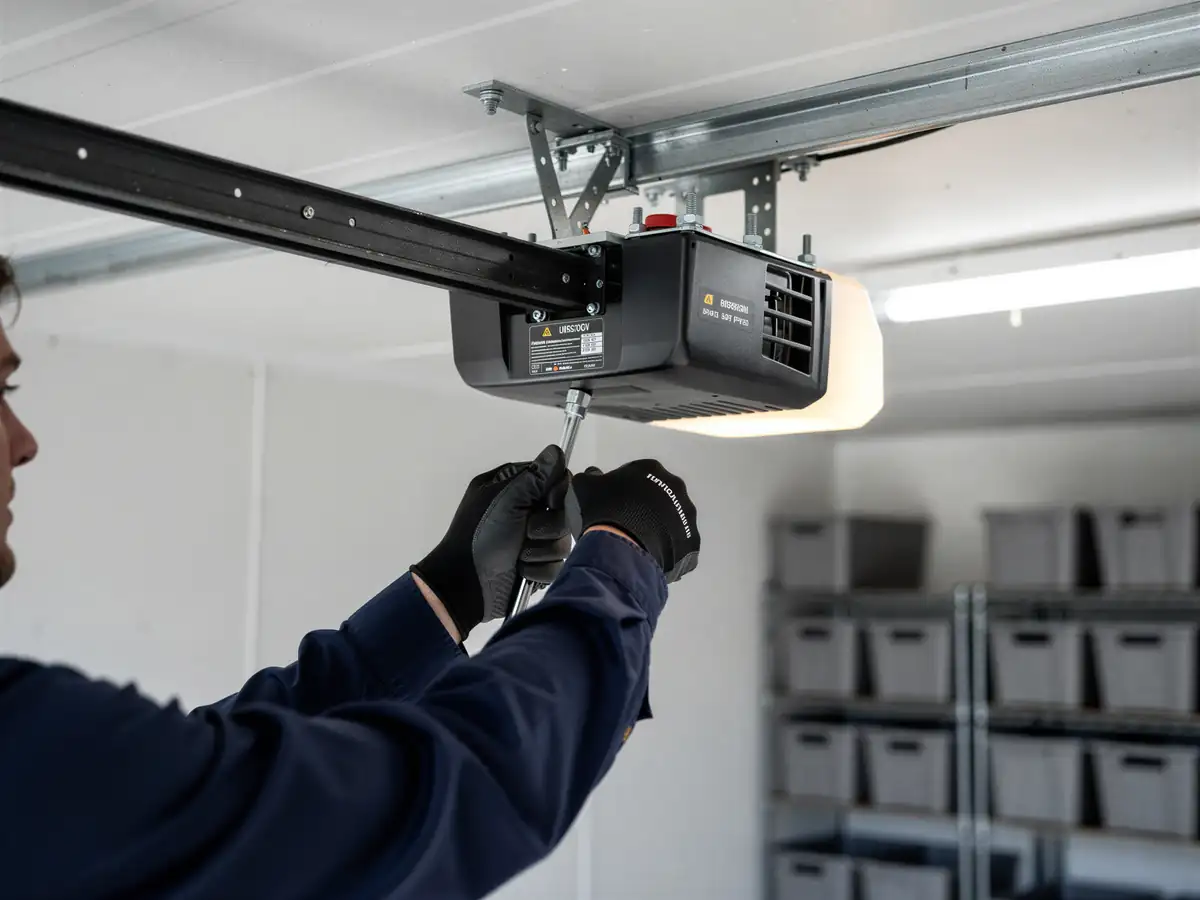
Metter's housing stock centers around 1982, a little newer than the 1975-to-1992 spread that covers the wider service area, with a median landing around 1978. That gap matters on a repair call: doors from the early '80s are more likely to have the galvanized torsion springs and steel panel doors that replaced the older wood and single-spring setups, but the openers on them are usually the first or second generation of chain-drive units - now 40-plus years old if they're original. We carry springs sized for both eras, but if your opener is original to the house, the logic board inside it is obsolete, and a repair sometimes means a full swap instead of a part.
What Causes It Around Here
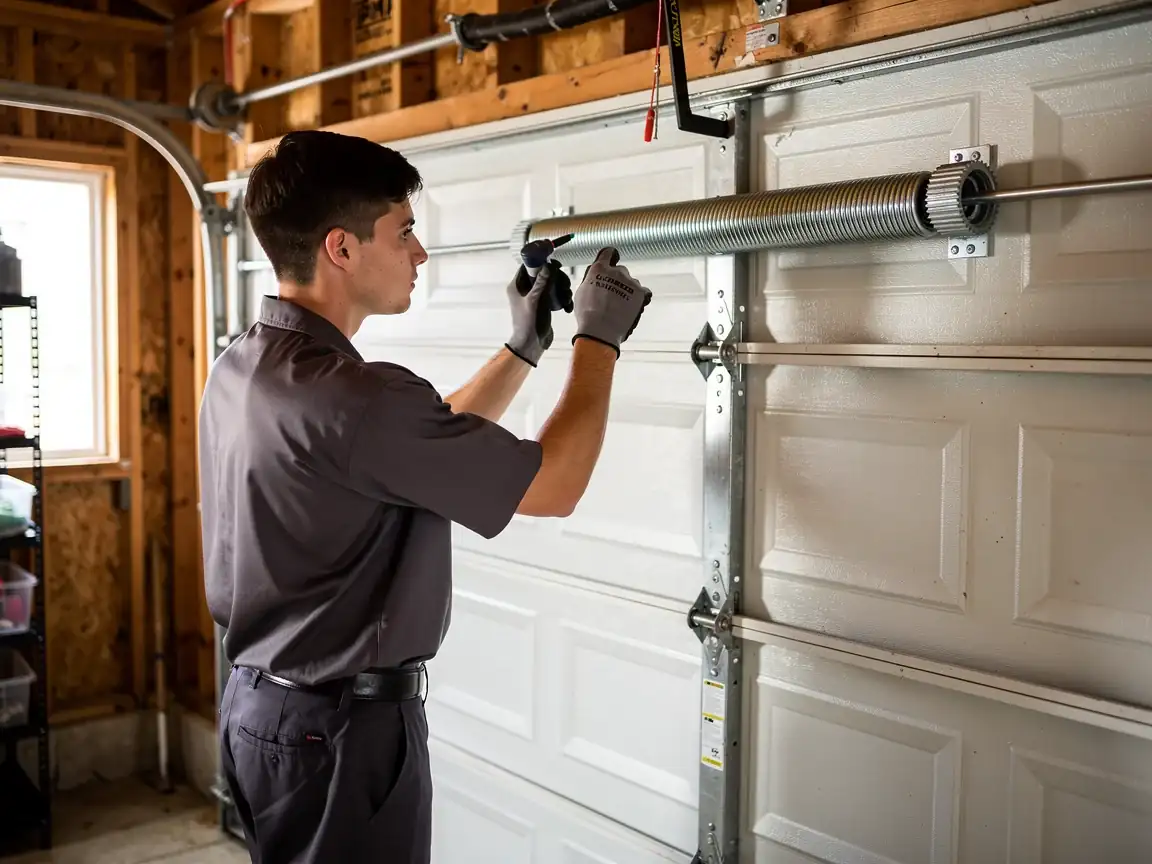
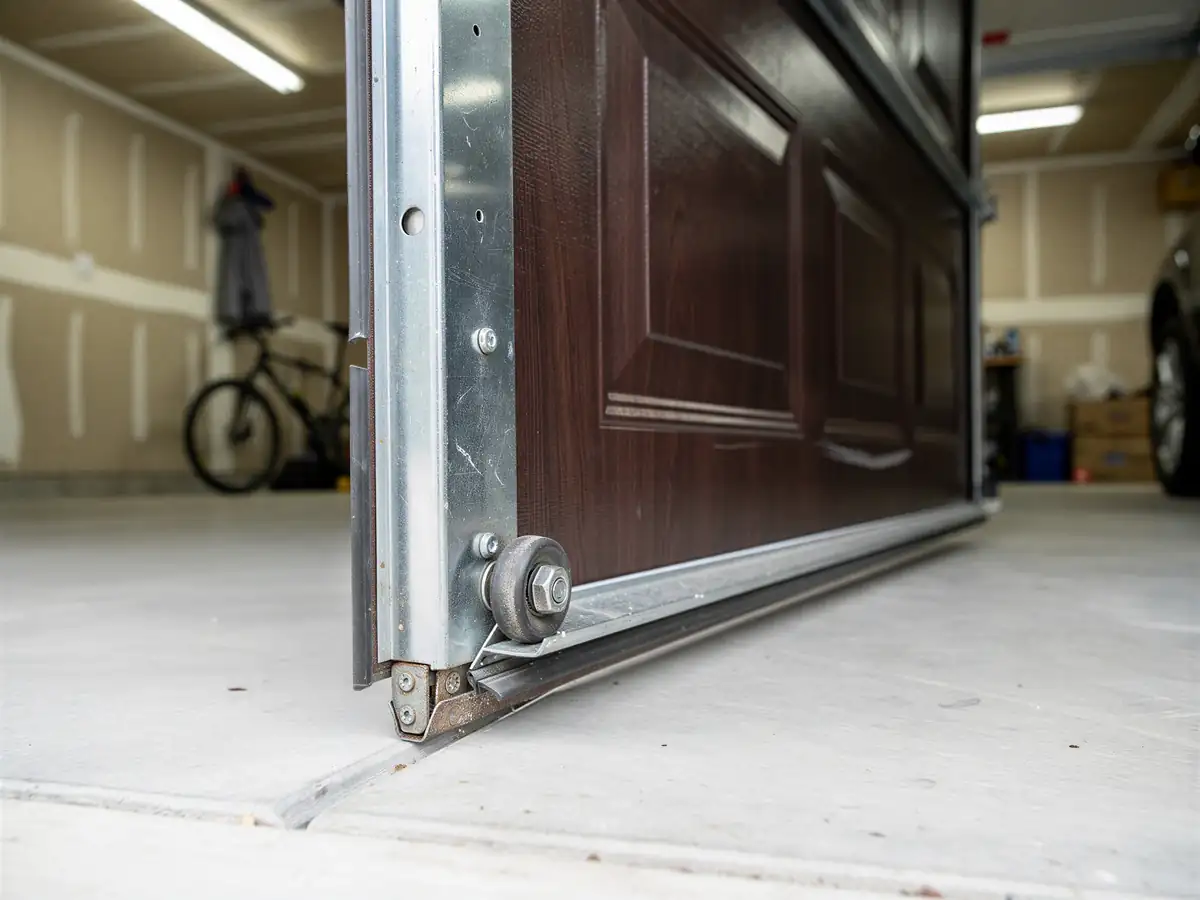
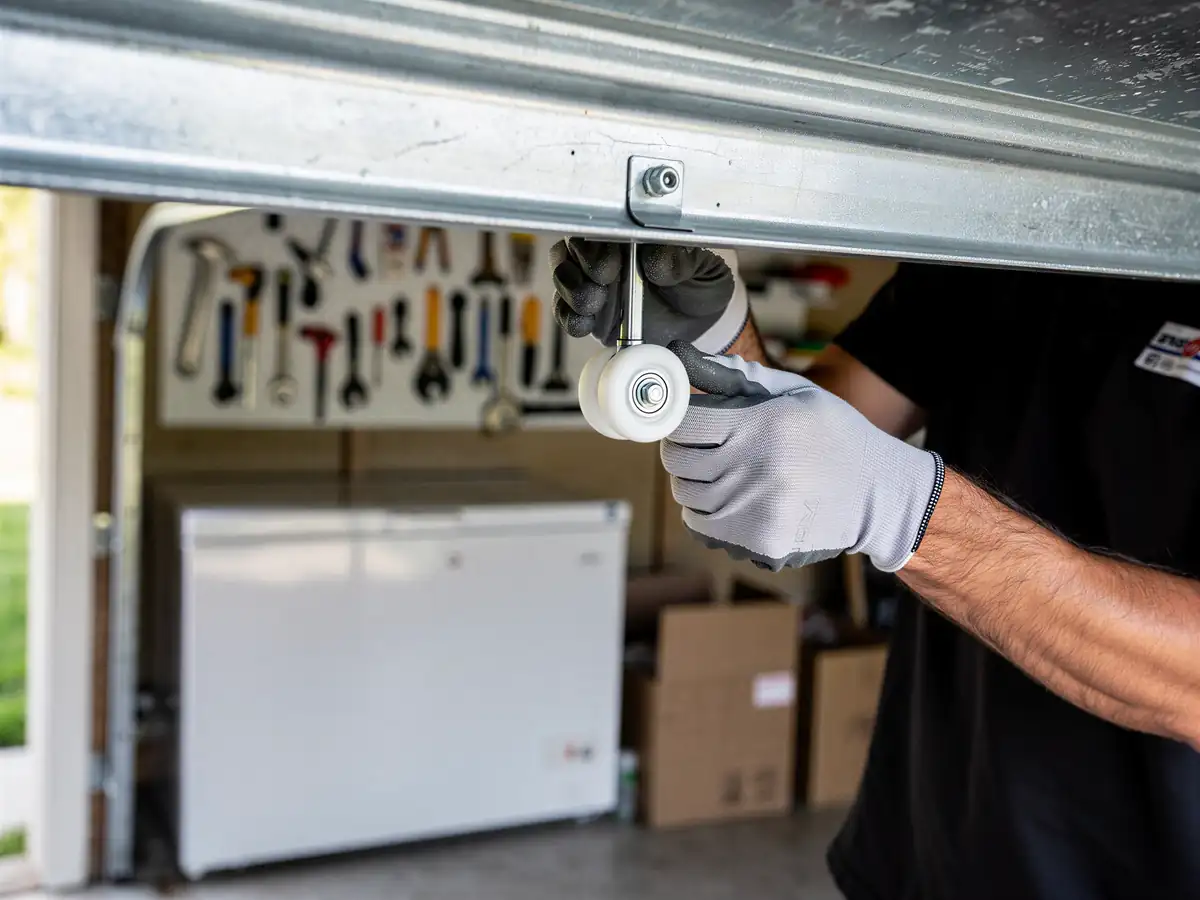
The climate here sits in the mild band with occasional freeze, which isn't brutal on hardware the way a hard freeze-thaw cycle is, but galvanized coatings still break down over 40-plus years, and that's most of what we're dealing with in Metter. Rollers dry out and crack, torsion springs fatigue and snap without warning, and cables fray where they wrap the drum. None of that is storm damage - it's just age doing its slow work on steel that's been cycling up and down for four decades. We don't see the hurricane-grade wind load requirements that coastal counties deal with, so when something fails here, it's almost always wear, not weather.
How Long It Takes
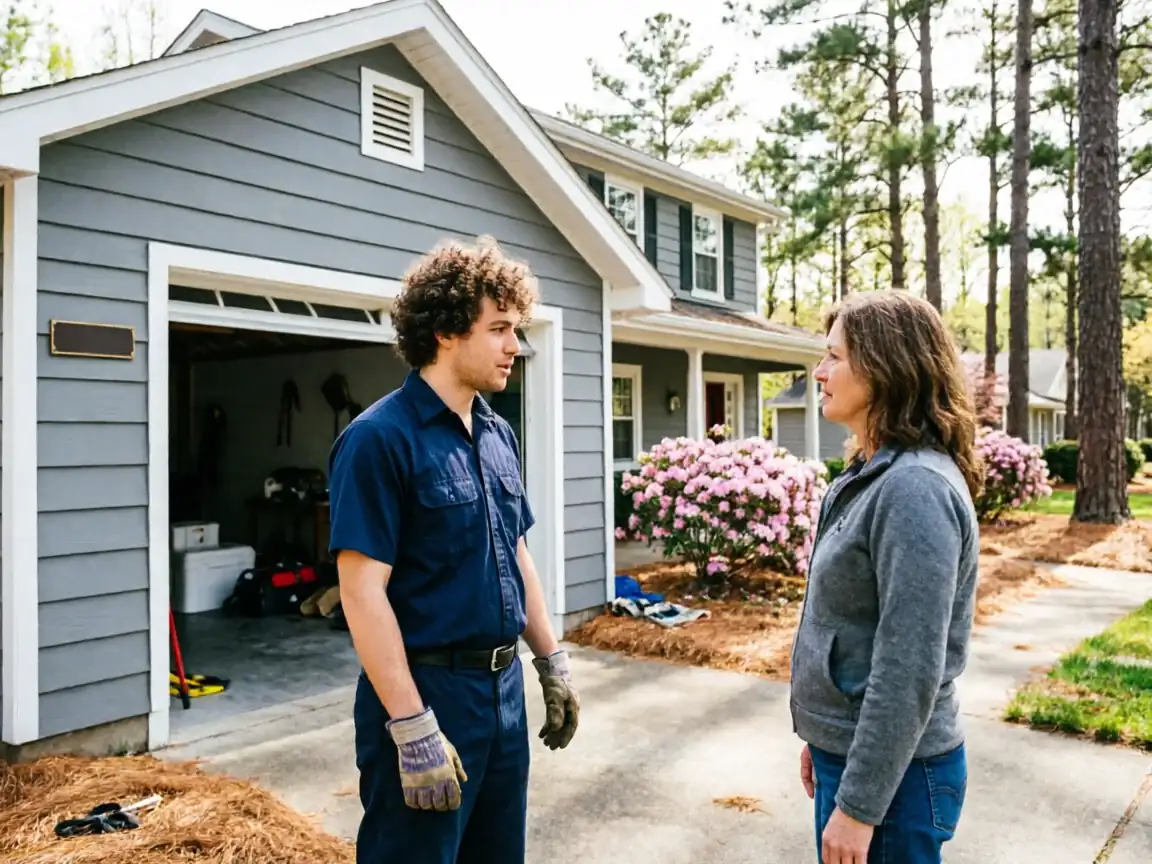
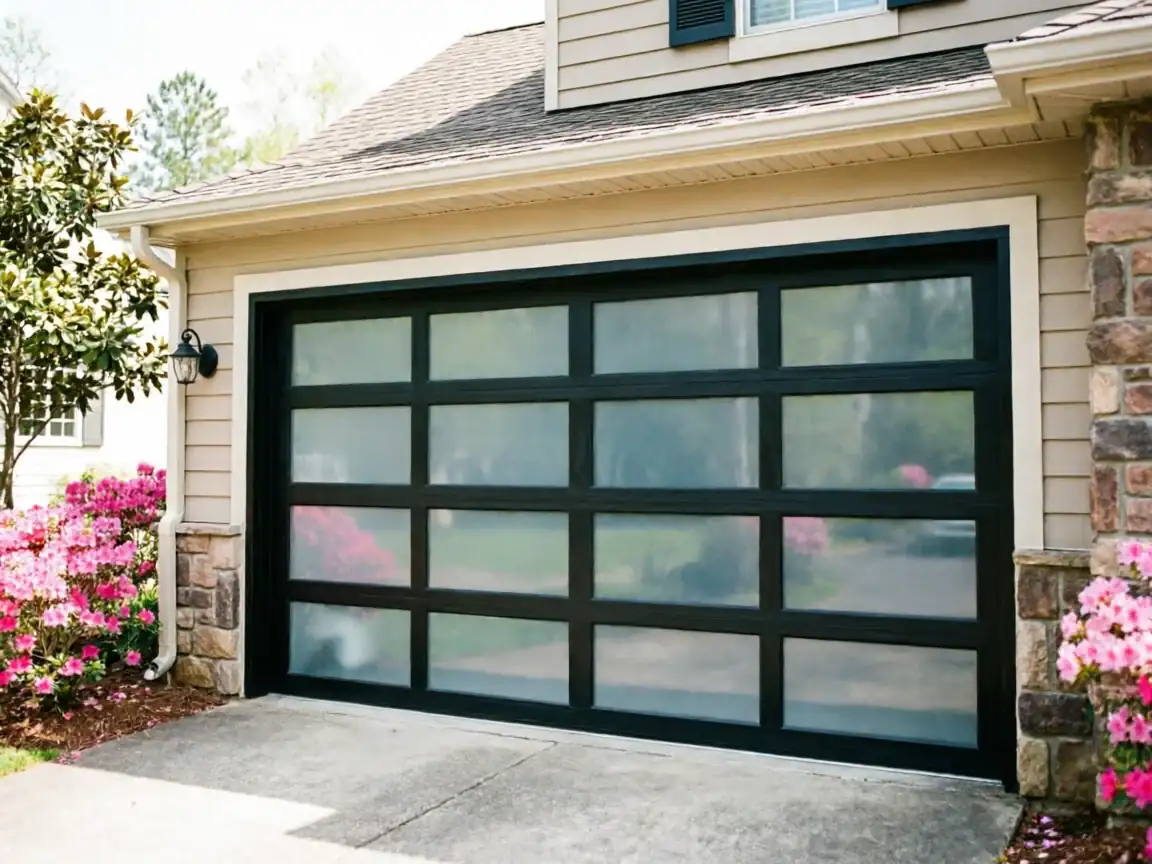
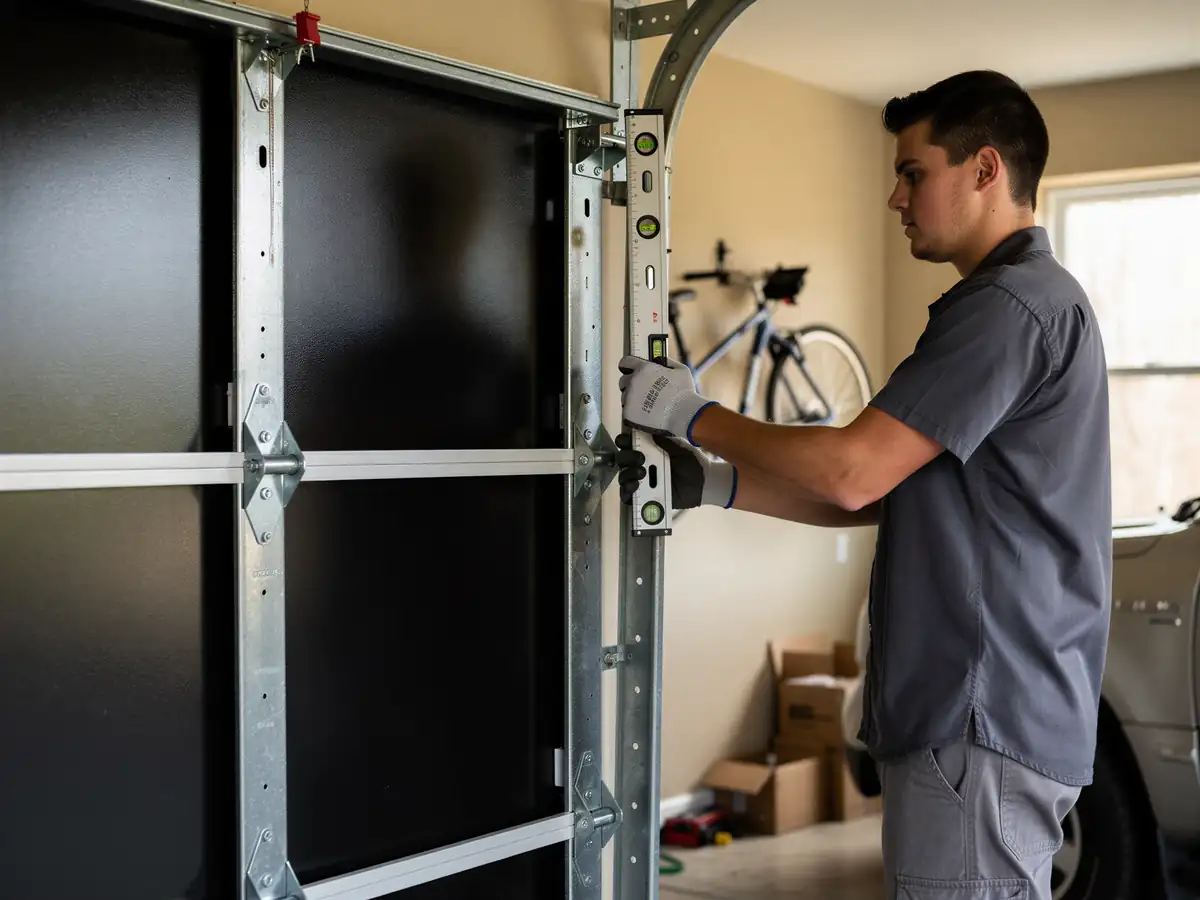
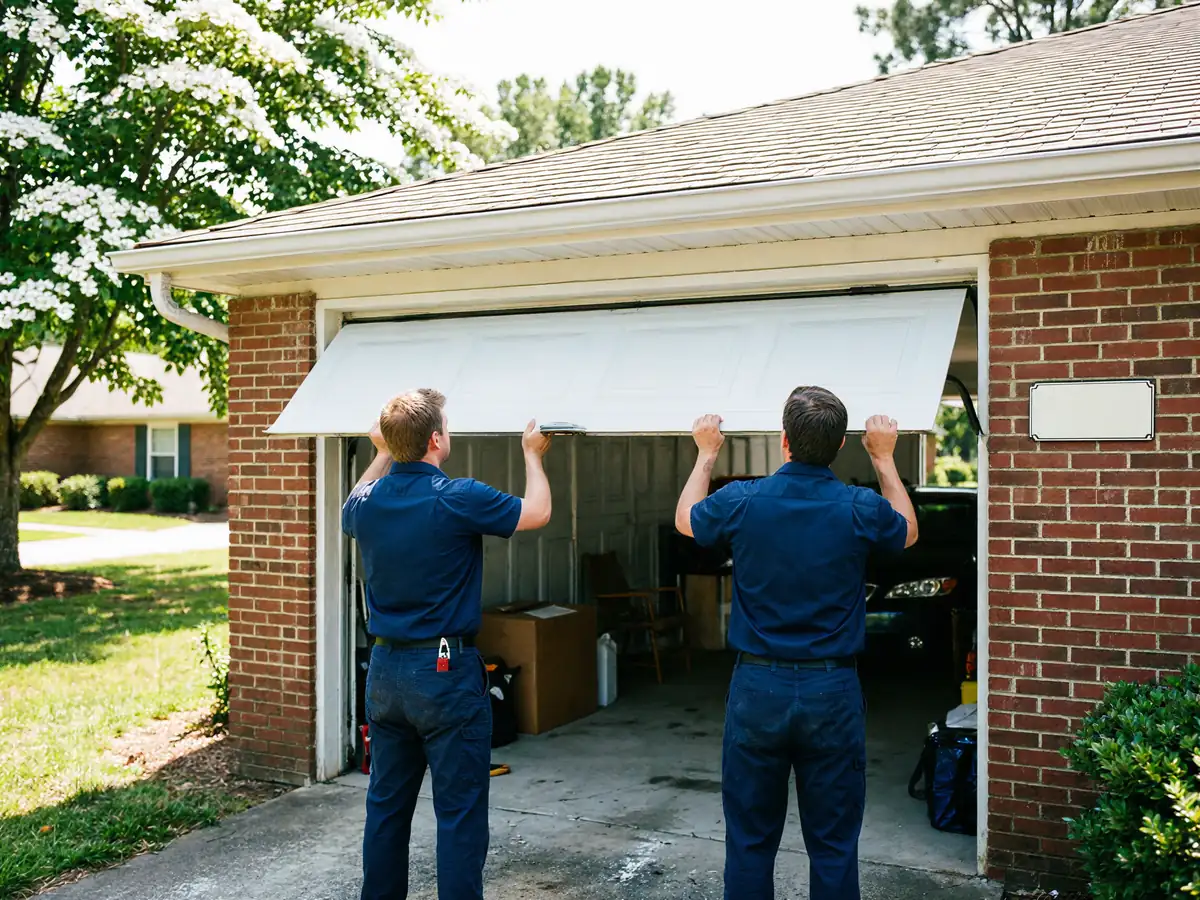
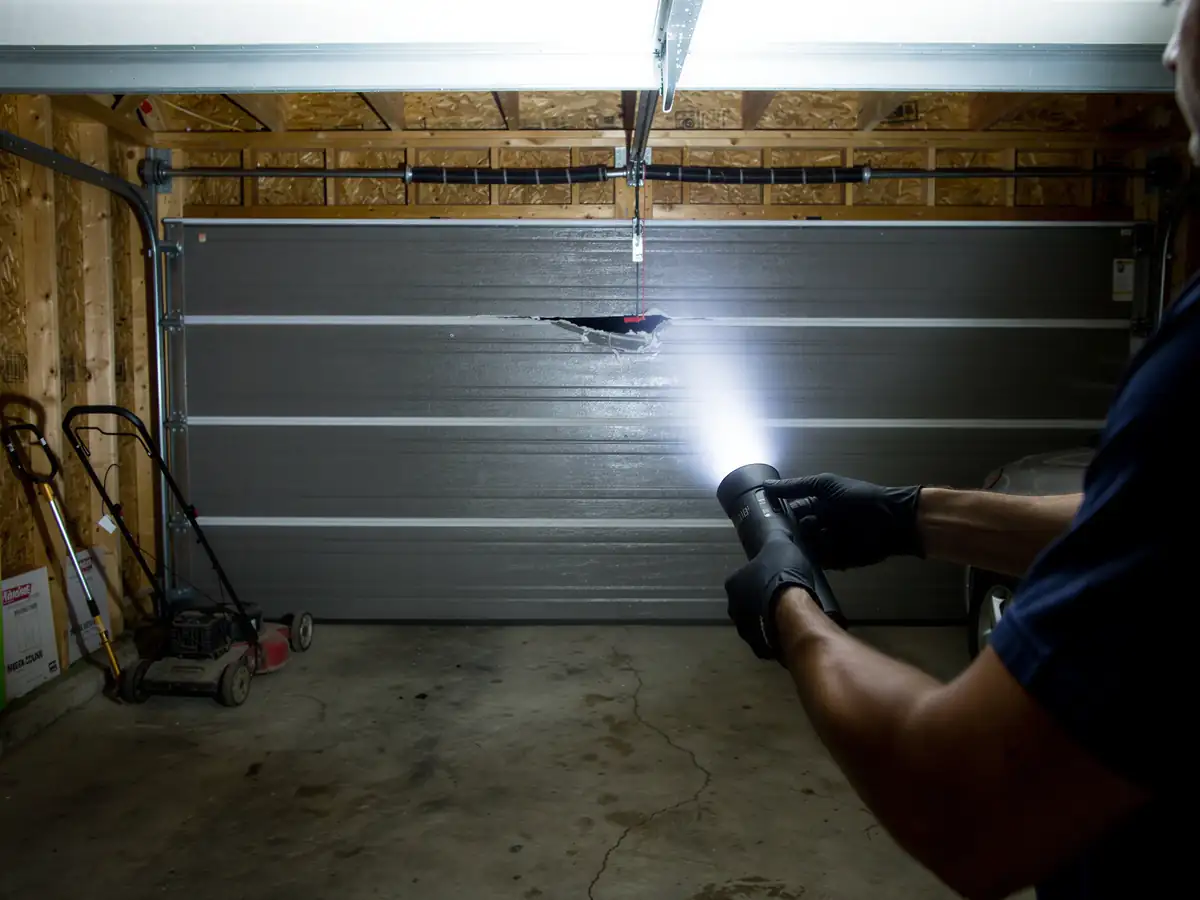
Most spring and cable jobs run under two hours once the truck is on site, since the parts are standard sizes we stock. Opener swaps take longer if the mounting bracket or rail doesn't match what we carry for an older chain-drive unit - we may need to rework the header bracket to fit a current model. What we won't do is promise a same-day slot before we've looked at the job; distance from Statesboro means we schedule the run, and a multi-door commercial job or a custom panel order can push a full repair out by a few days while parts come in.
Doing It Yourself
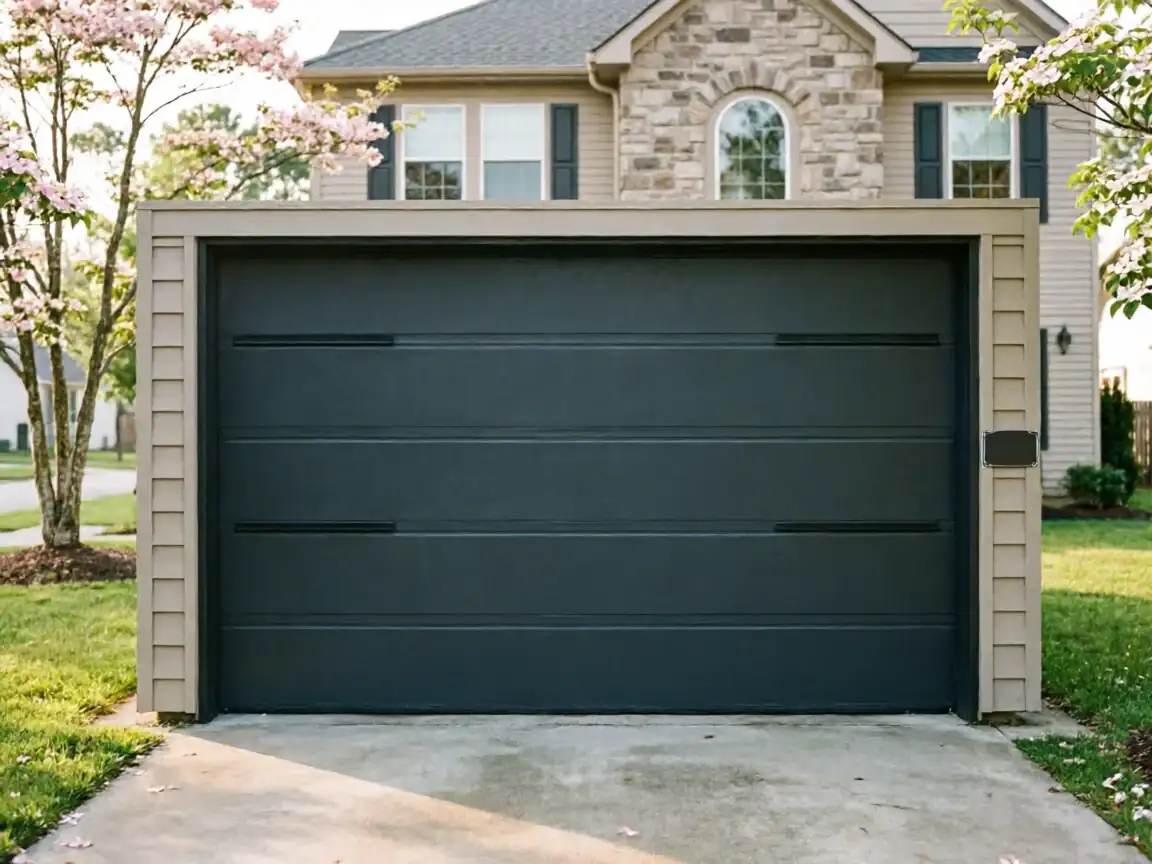
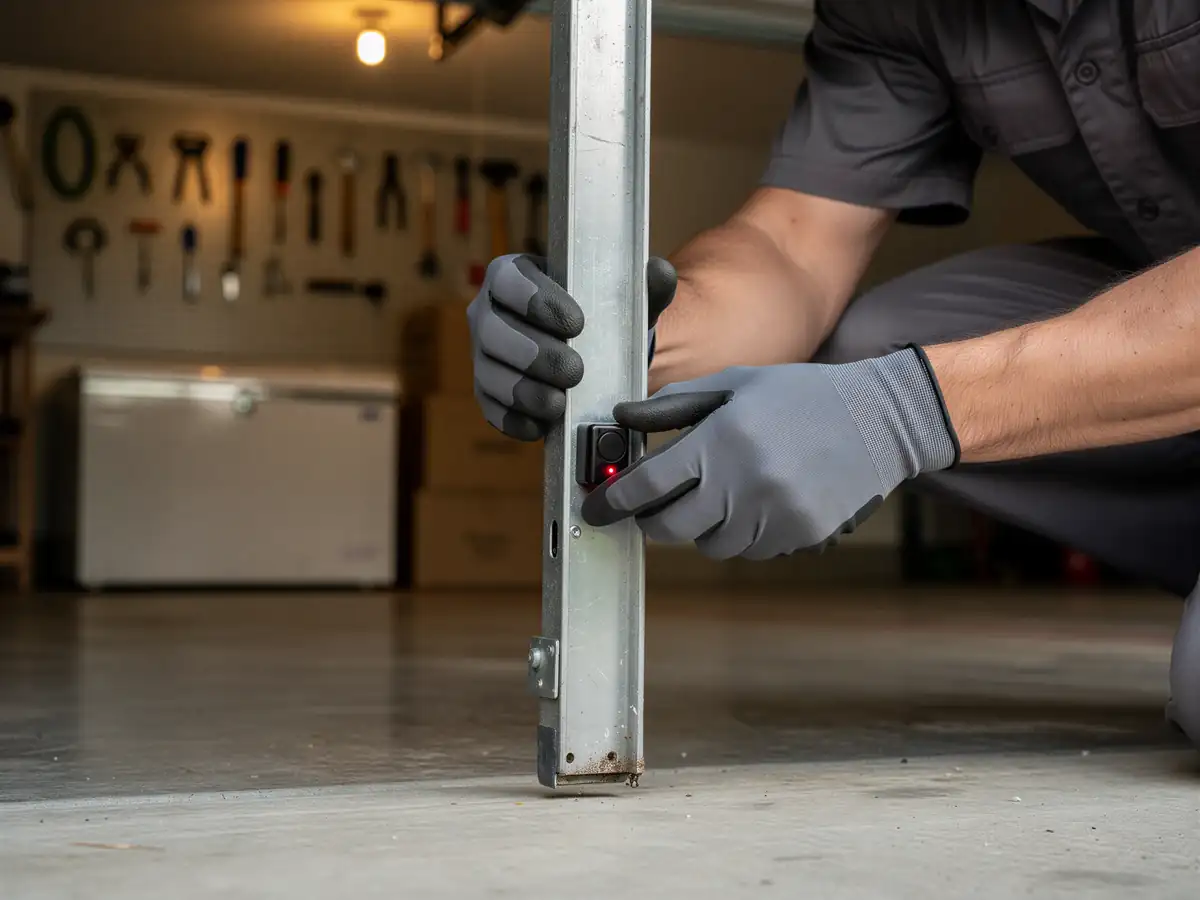
Checking the track for visible obstruction, tightening loose hinge bolts, or clearing the photo-eye sensors of dust is fine to do yourself, and it fixes a surprising number of 'the door won't close' calls. A torsion spring is not a DIY job - it's wound under enough tension to break bones, and with median household income here at $36,111, we understand the instinct to save the service call, but a spring is the one place where the math doesn't favor it. If the door is a 1980s original with a wood-core panel that's delaminating, we'll usually tell you straight that replacement costs less over time than another patch repair.