Serving Statesboro, GA & nearby
(912) 206-4020
Statesboro, GA

Roller Replacement for Metter's 1980s-Era Garage Doors

Metter homes mostly date to 1982, later than much of the service area. Original rollers from that era wear out - replacement here comes from Statesboro.

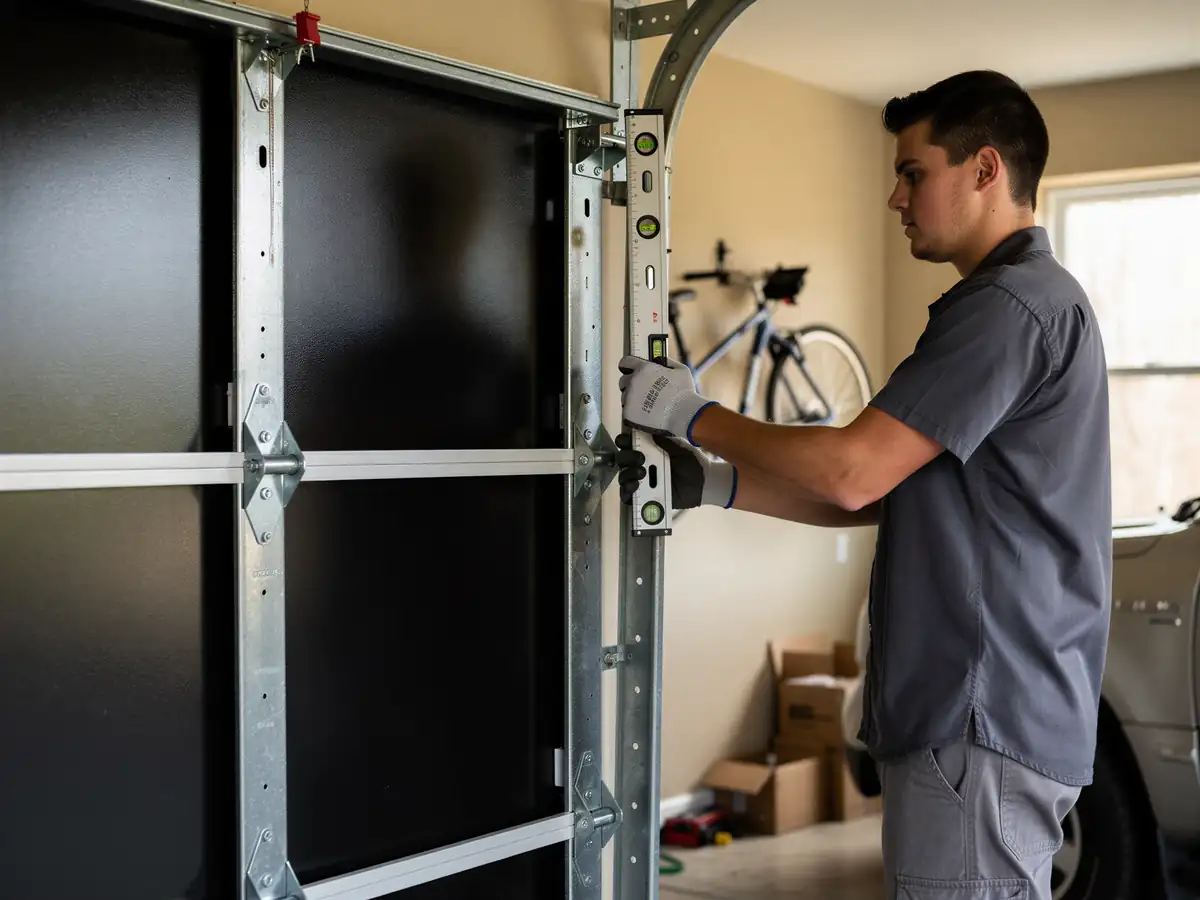
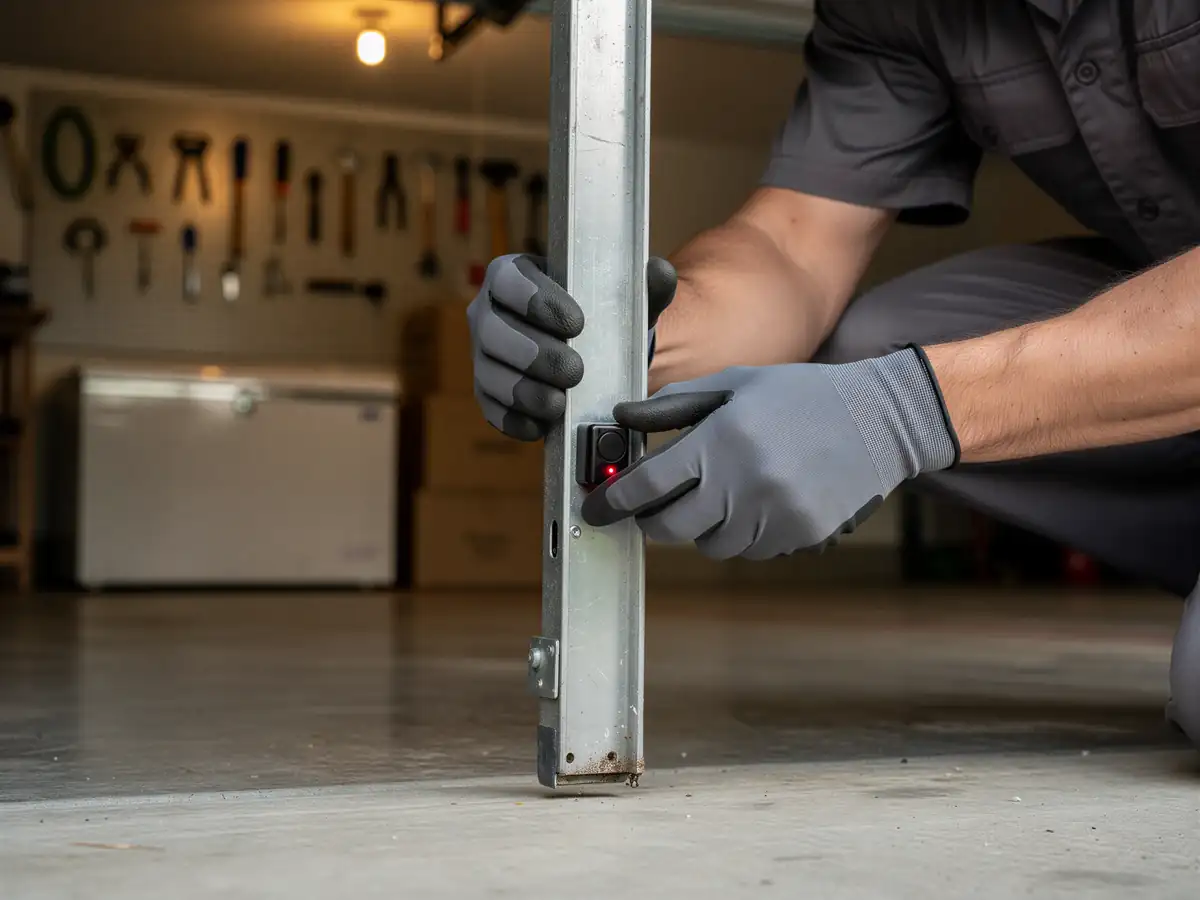
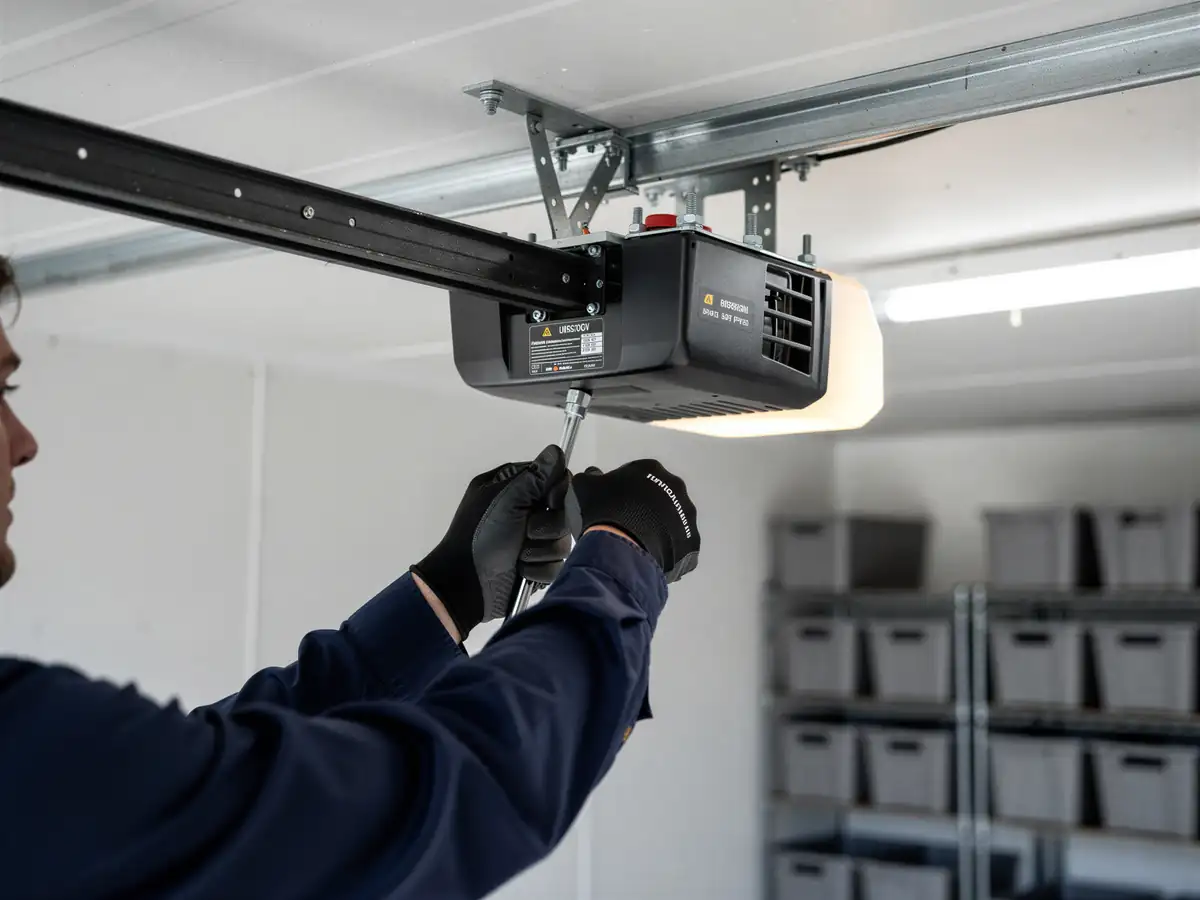
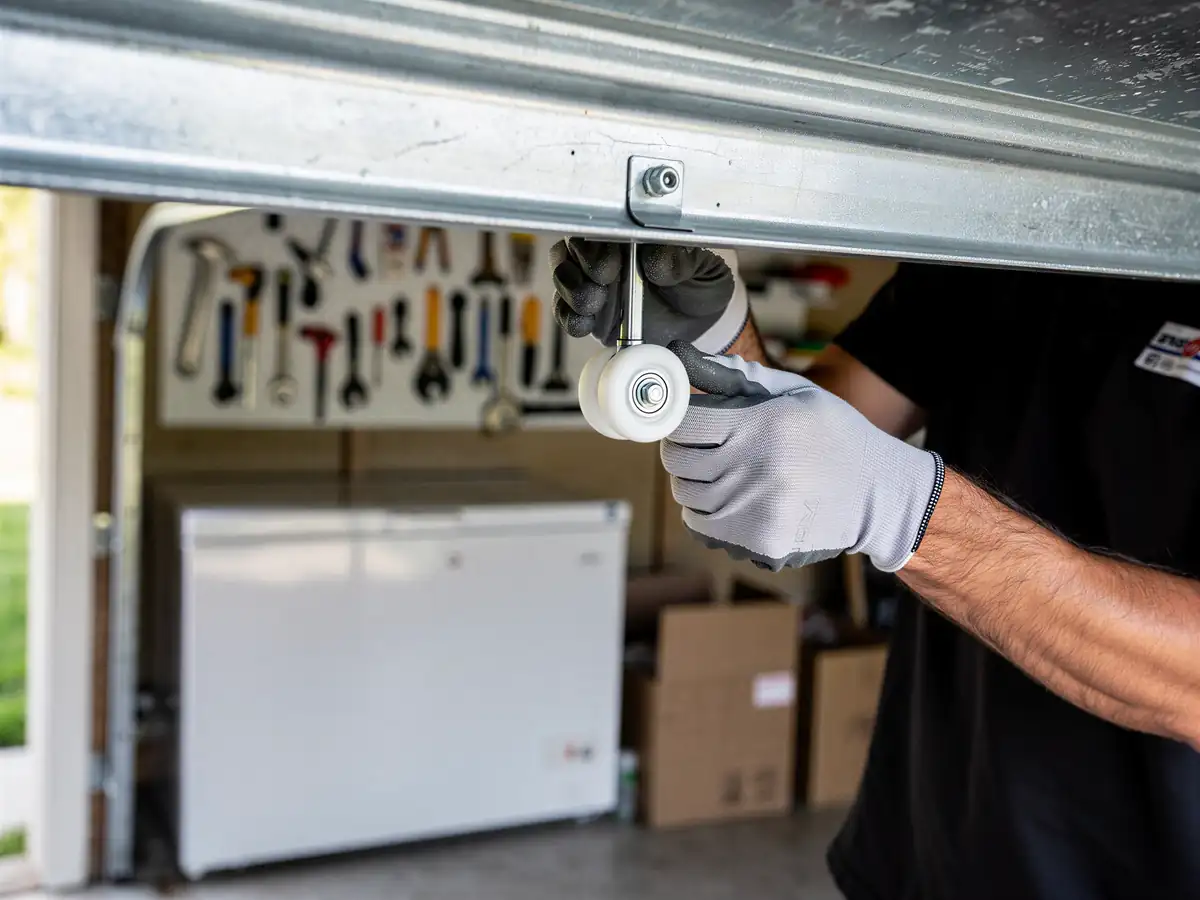
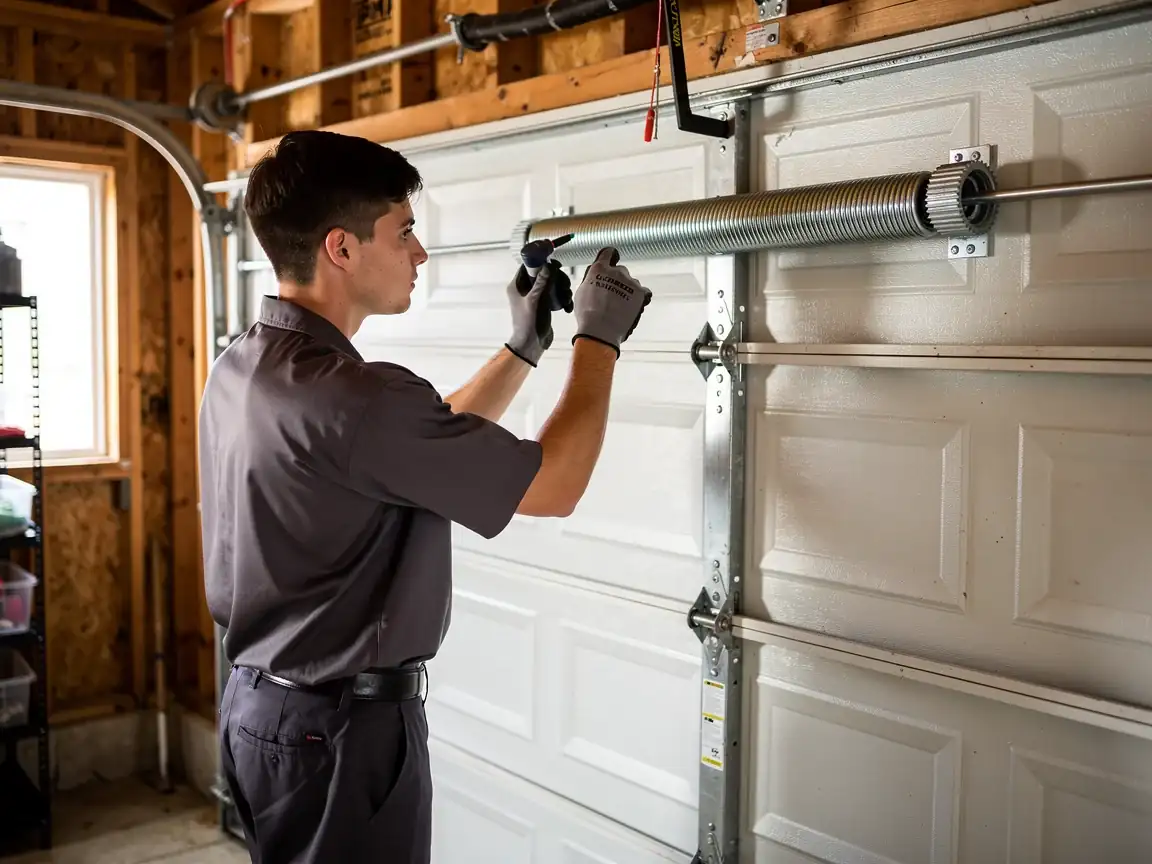
A technician in gloves installs a new roller on a garage door track.
Statesboro, GA
8 services
4 service areas
Diagnosis first, then the fix

Getting It Booked In

There's no Statesboro Garage Door Pros branch sitting in Metter. We cover the town from our Statesboro base, about 17 miles out, same as the run to Portal and a bit farther than the 7-mile hop to Brooklet. That distance doesn't change the work once we're in your driveway, but it does mean we schedule Metter jobs as part of a route rather than dropping everything the minute you call. If your door is grinding but still opening and closing, that's worth mentioning when you book - it helps us bring the right rollers the first trip instead of a second one. We don't keep a local parts cache in town, so anything unusual gets ordered ahead of the visit. Tell us the rough age of the house and whether the door is steel or wood-faced; on a town built mostly around 1982, that's often enough to guess the roller size and hinge pattern before we ever see the garage.

What the Repair Takes

A roller swap means pulling the hinges that hold each roller stem, sliding the old roller and shaft out of the track, and setting a new one in its place - usually nylon with a sealed bearing if the door still runs steel rollers from when it was built. We check the track alignment at the same time, because a bent or widened track is often what wore the old rollers out in the first place, not the other way around. Top and bottom brackets get a look too, since rust at the roller shaft can spread to the bracket bolts on houses from the early 1980s. If only one or two rollers are chewed up we'll replace just those; if the whole set is worn evenly, which is common on a door that age, we do all ten at once so you're not paying a second visit in six months for the roller next to the one we just did. We don't replace springs or openers as part of a roller job unless something else turns out to be the actual problem - that's a separate call.

What Causes It Around Here

Metter's housing stock runs younger than you'd think for this part of Georgia - the median home here went up around 1982, a few years past the 1975 to 1992 window and the 1978 median that cover the wider area we work. Doors built in that stretch almost always shipped with galvanized steel rollers on steel stems, not nylon, because sealed nylon rollers weren't standard equipment yet. Steel-on-steel wears at the wheel and rusts at the stem, and the climate here doesn't help - it's a mild band with occasional freeze, so you get damp mornings and cold snaps but not the hard, dry winters that just wear metal down evenly. That combination pits the roller surface faster than straight wear would. We also see it tied to income patterns in this part of the service area: Metter's median household income sits at $36,111, well under the $55,125 figure across the broader territory, and a lot of these doors have had one owner who never replaced a roller until it started grinding loud enough to notice.

What You Are Seeing

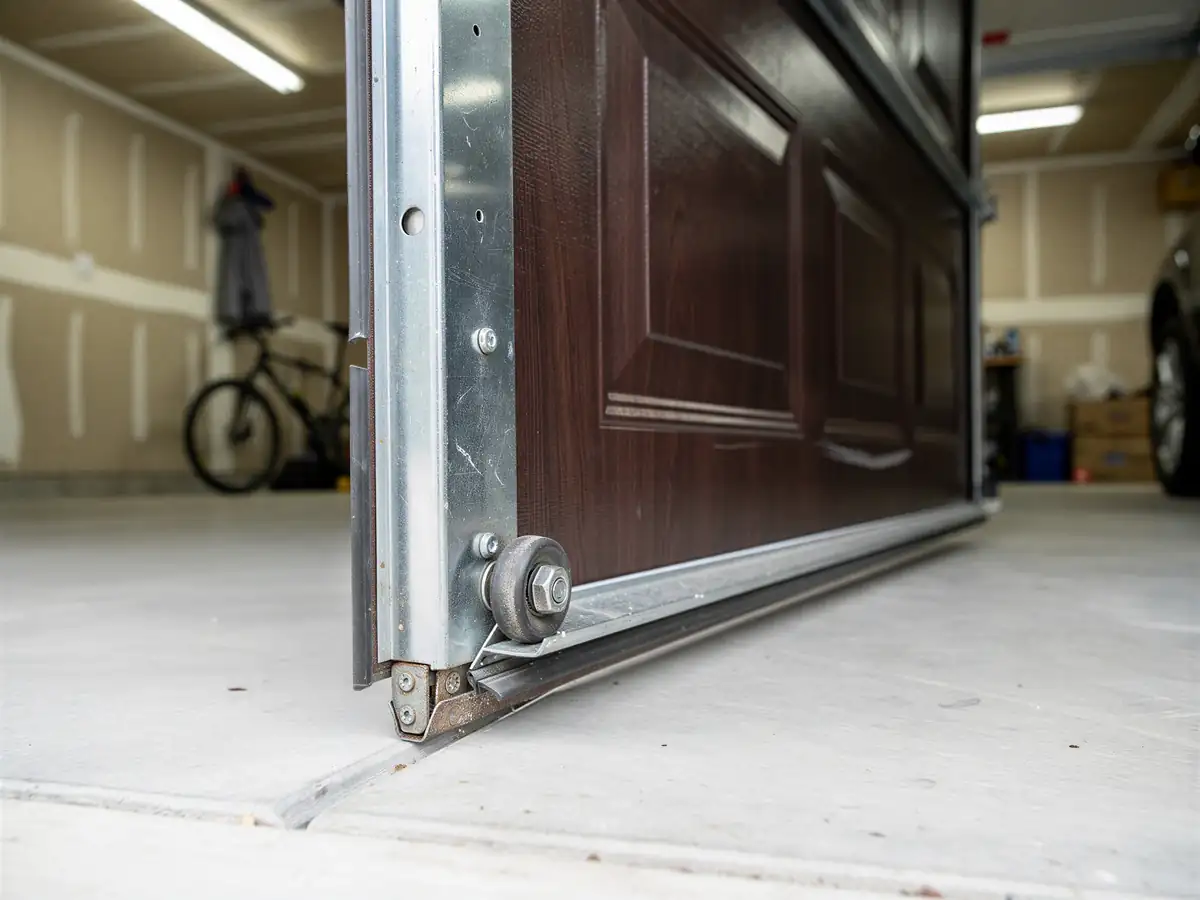
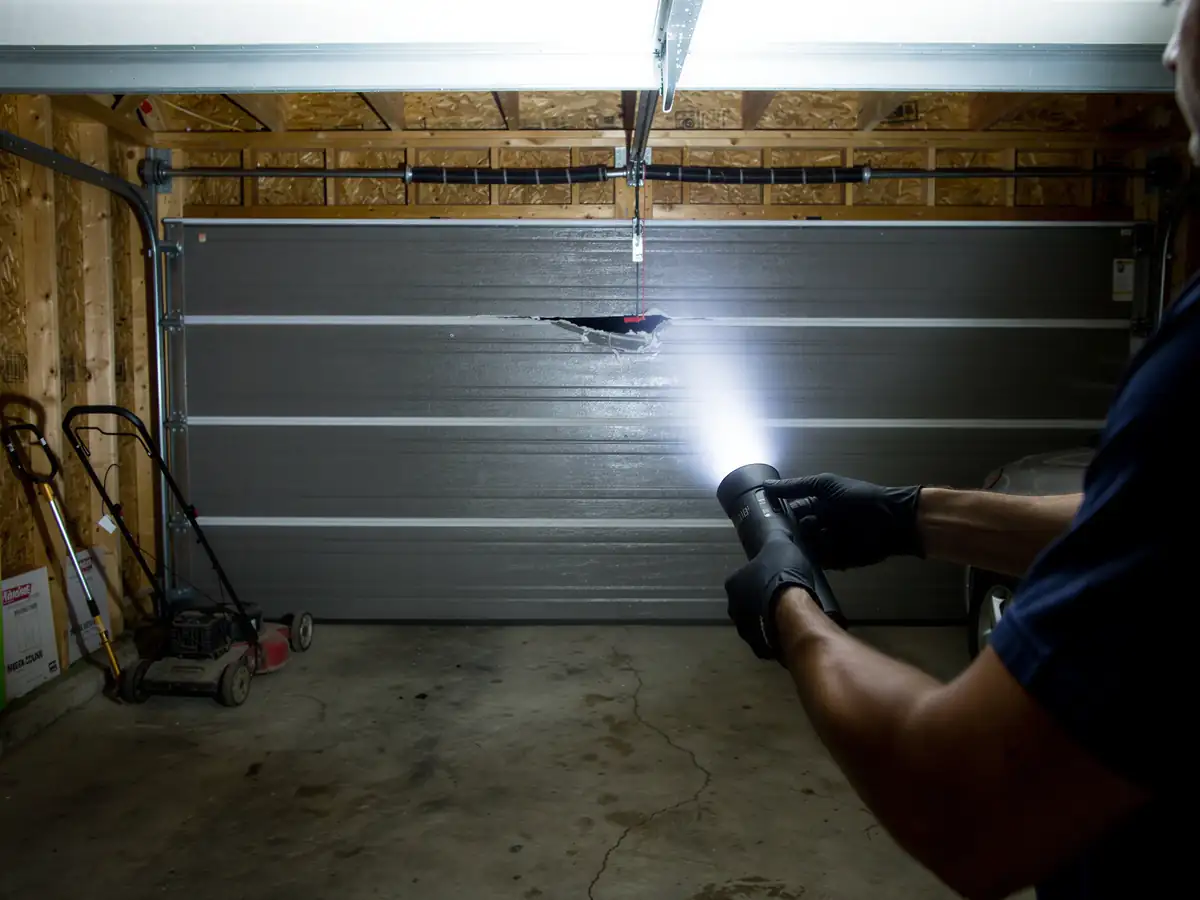
The usual sign is noise before anything else - a grinding or clunking as the door travels, worse near the top or bottom of the track where the roller works hardest. Look at the roller itself if you can see it: a groove worn into the wheel, or a wheel that's gone slightly oval instead of round, means it's past replacing and into breaking. Rust bleeding from the roller shaft onto the track is another tell, especially after a run of damp mornings. Some owners notice the door catching or hesitating at one spot every single cycle - that's usually one bad roller hitting the same rough patch in the track, not a track problem itself. If the door jumps the track entirely, stop using the opener and call; a roller that's come loose from a bent hinge can let the whole panel shift sideways, and running the opener against that risks bending the track further or cracking the panel.

How Long It Takes

A standard roller replacement on a double door is a bracket-by-bracket job - each hinge comes off, the old roller comes out, the new one goes in, and the hinge goes back on tight. Doing all ten rollers on a door takes longer than doing two or three, for the obvious reason that there's more to unbolt and rebolt. Track alignment checks add time if the track's been knocked out of true, which happens more often than people expect on doors with rollers this worn, since a rough-running roller can bang the track loose over months. We don't rush the bracket torque - overtightened hinges crack the panel face, especially on older steel doors where the metal's thinner than what's sold today. If we find a bent track section or a bracket that's rusted through rather than just the roller, that adds a separate repair to the visit and changes the timeline.

Doing It Yourself

Swapping a single roller on a garage door is within reach for someone comfortable with a wrench and a ladder, as long as the door is fully closed, the opener is unplugged, and you're not touching anything near the torsion spring. Where people get hurt is working on a roller near the bottom bracket without blocking the door, or reaching into the track while the spring is still under tension from a half-open door. If your door is original to a house built in the early 1980s, the hinges and roller stems may be a size that doesn't match what's sold at a hardware store today, and forcing a mismatched roller into an old stem usually strips it. Our honest limit here: we don't do roller jobs as a quick add-on to another service call without seeing the door first, because what looks like a worn roller sometimes turns out to be a bent track or a failing bearing in the opener, and guessing wrong wastes your money twice.

How it works

From “it’s stuck” to “it’s fixed”

A man stands in a driveway looking at a phone in front of a house.

Tell us what’s wrong

Describe the symptom - won’t open, loud bang, opener runs but the door won’t move.

A technician in a gray uniform is adjusting a garage door torsion spring.

On-site diagnosis

A technician tests the door under power and by hand and finds what actually failed.

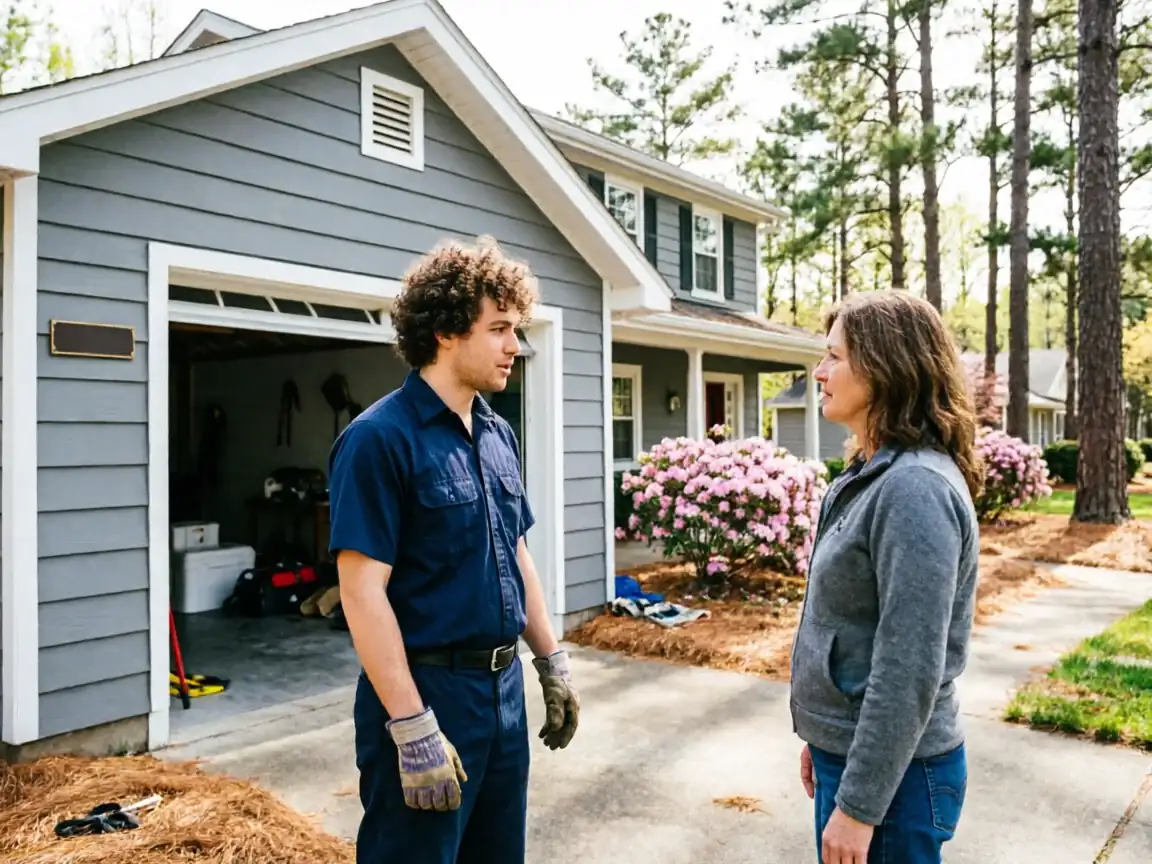
A technician in a blue uniform talks to a woman in front of a gray house.

Clear, up-front plan

You get the fix that’s needed and what drives the cost - before any work starts.

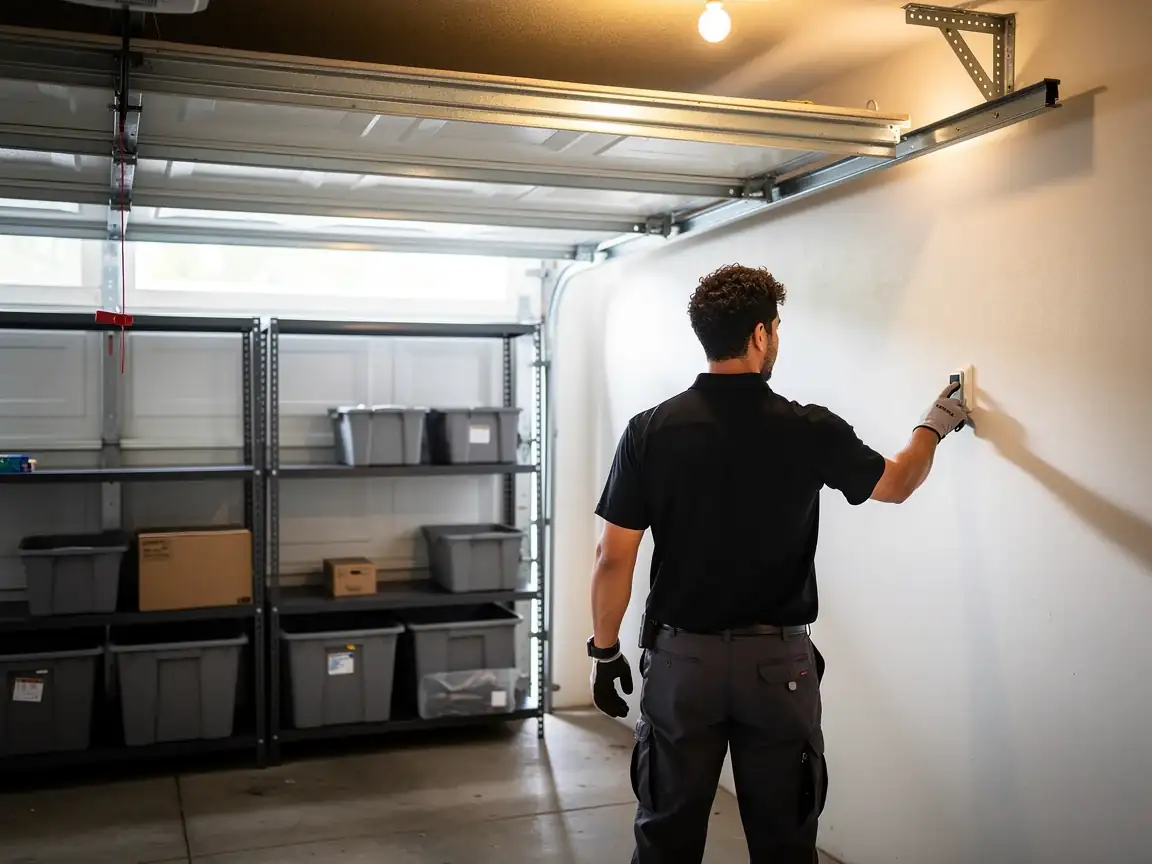
A technician in a black shirt and gloves adjusts a white wall control.

Repaired & tested

The repair is done, the door is set true and tested, and the work area left clean.

Not sure which repair your door needs in Statesboro, GA? Describe what it’s doing - every job starts with a diagnosis.

How we work

What to expect

Diagnosis firstEvery visit starts by finding what actually failed - not a pre-written parts list.
The right part for the doorSprings and openers matched to the door’s weight and age, so the fix holds up.
Straight answersWhen a repair makes more sense than a replacement - or the reverse - you hear it plainly.
Clean, careful workTension released safely, hardware set true, the door tested under power before we leave.
30,721Residents in Statesboro
8Garage door services
4Neighborhoods & suburbs
GAServing Statesboro, GA
Questions

Frequently asked

Straight answers about garage door repair in Statesboro. Still unsure? Ask us directly.

Why do Metter garage doors wear out rollers faster than newer builds?

Most homes here date to around 1982, when steel rollers on steel stems were standard rather than sealed nylon. Steel wears at the wheel and rusts at the stem, and the mild, occasionally freezing climate in this part of Georgia keeps things damp enough to speed that rust along, especially on doors that have never had the rollers swapped.

Do you keep a branch in Metter for faster service?

No. Statesboro Garage Door Pros covers Metter from our Statesboro location, about 17 miles away. We don't maintain a depot or parts stock in town, so we bring what we expect to need based on the door's age and type, and we schedule the trip rather than offering walk-up service.

Can I replace just one roller instead of the whole set?

Yes, if the rest are still round and quiet. On doors from the early 1980s we often find the whole set worn evenly though, since they're all the same age and material. Replacing one and leaving nine worn rollers usually means another call within months.

Is a loud, grinding door always a roller problem?

Not always. Grinding can also mean a bent track, a failing opener bearing, or a bracket that's rusted loose. We check the track and brackets alongside the rollers before replacing anything, because on a door this age more than one part is often due at the same time.

Ready to get your garage door sorted?

Tell us what it’s doing and where you are in Statesboro - we’ll take it from there.

Request a QuoteCall