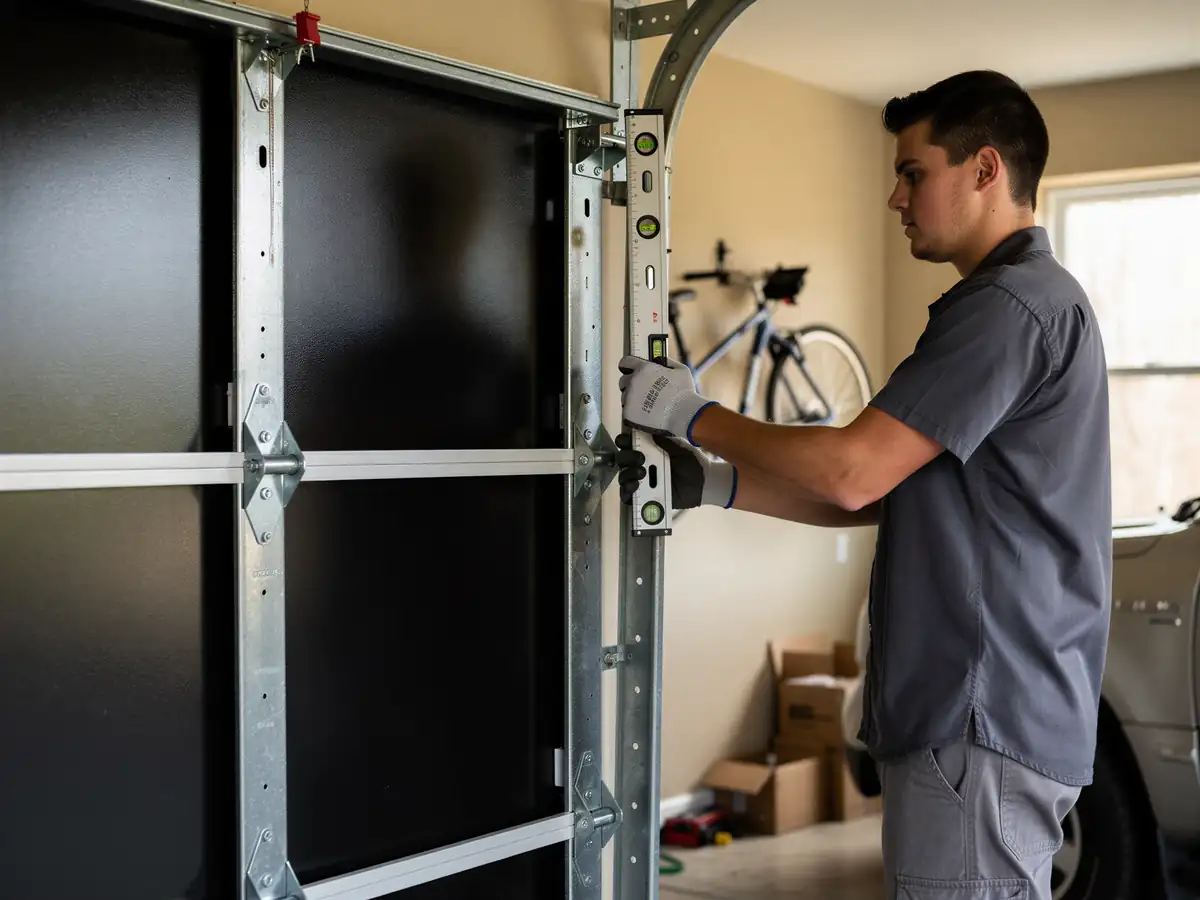
What the Repair Takes
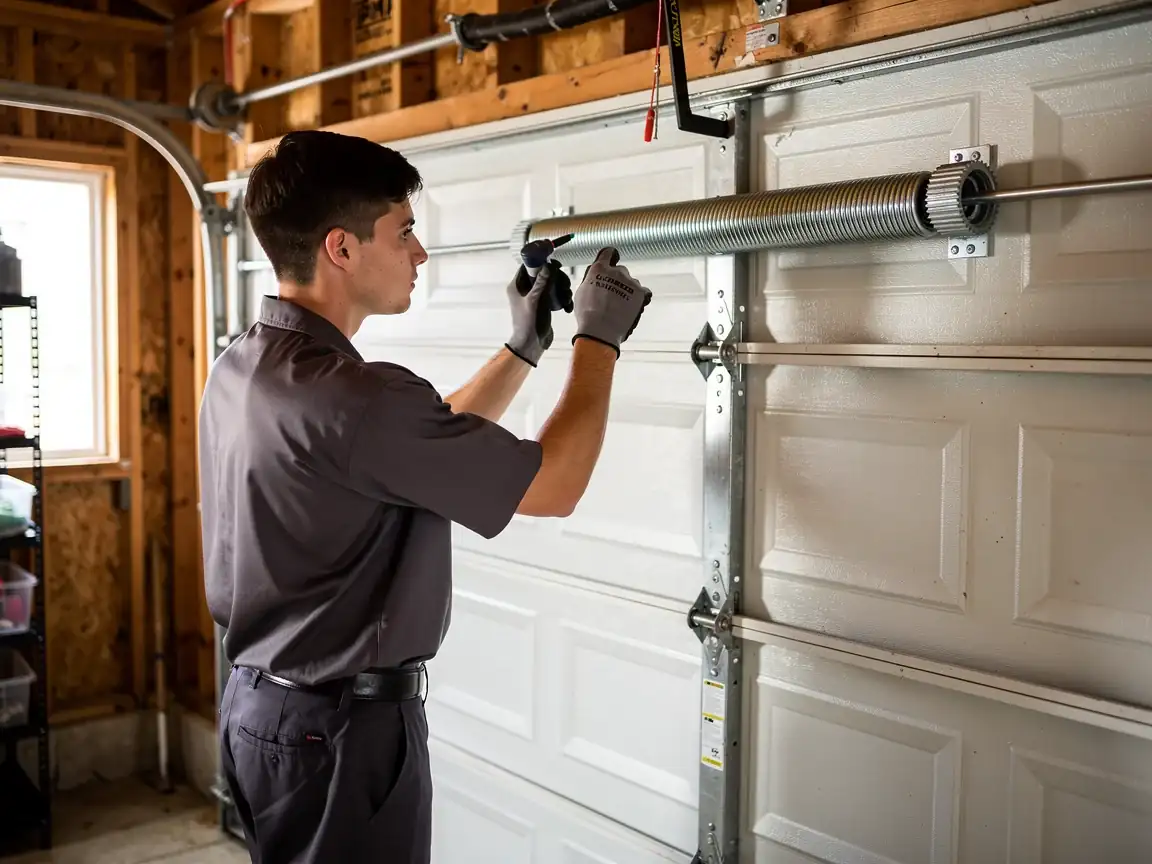
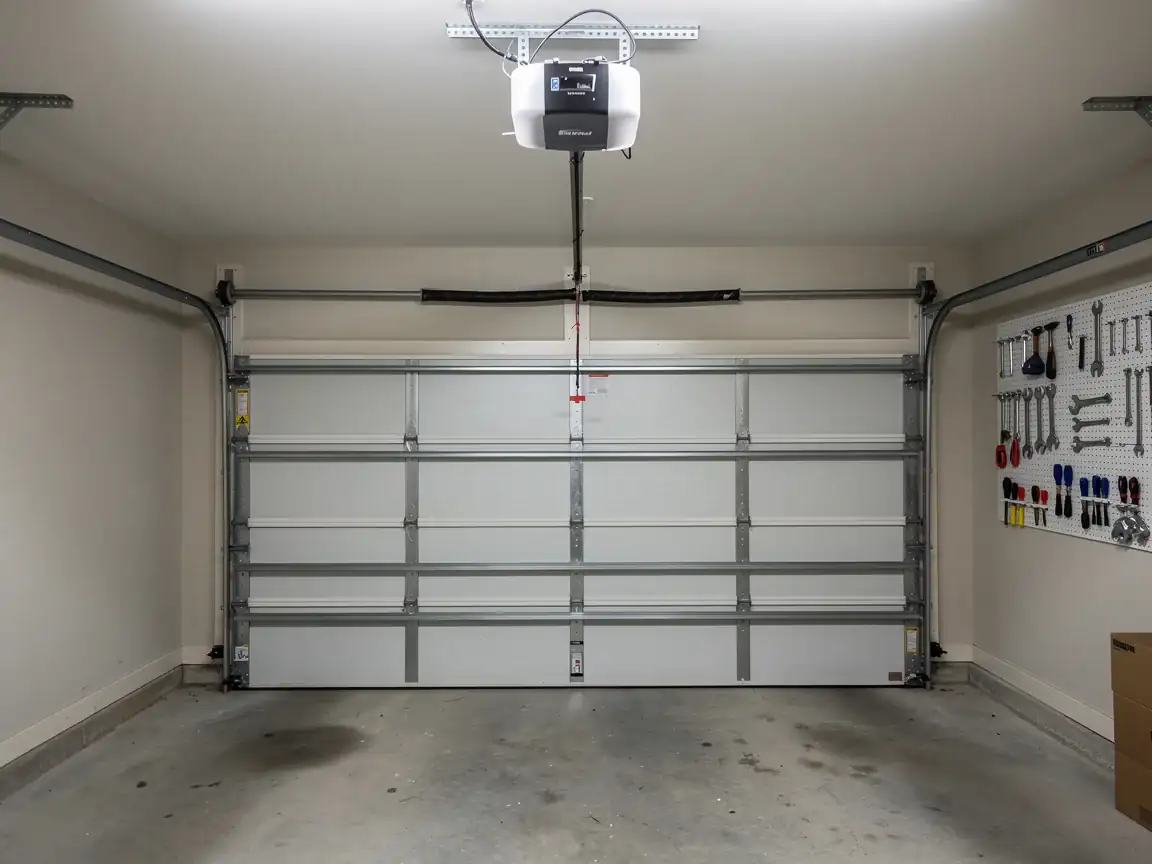
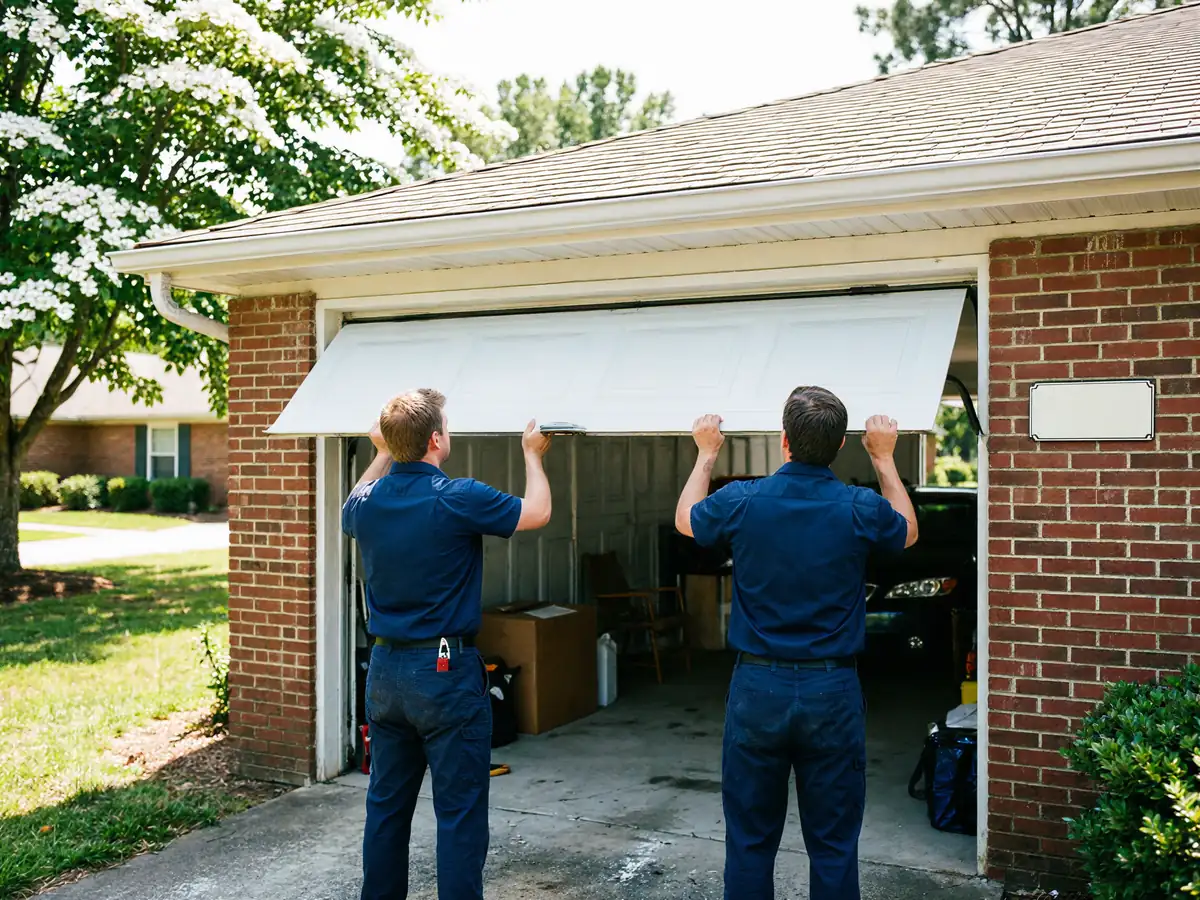
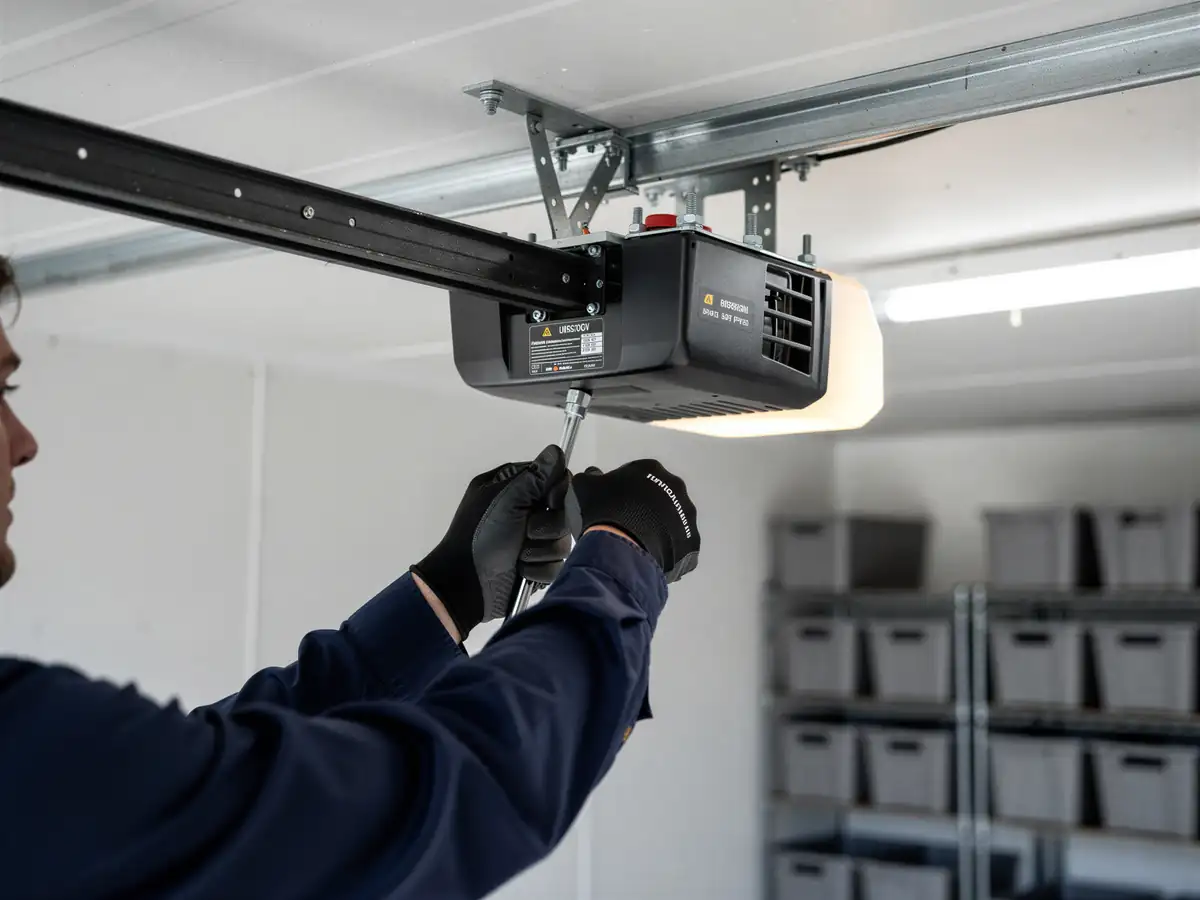
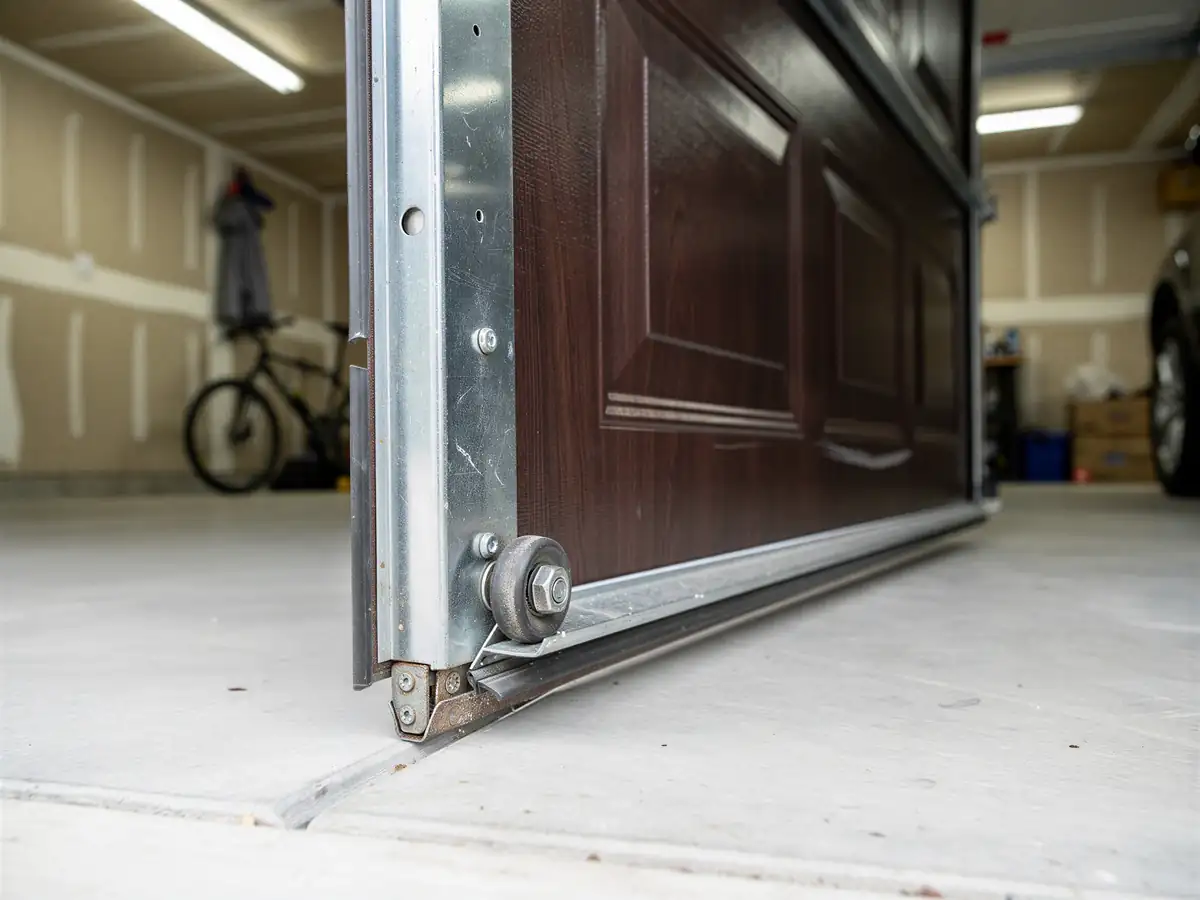
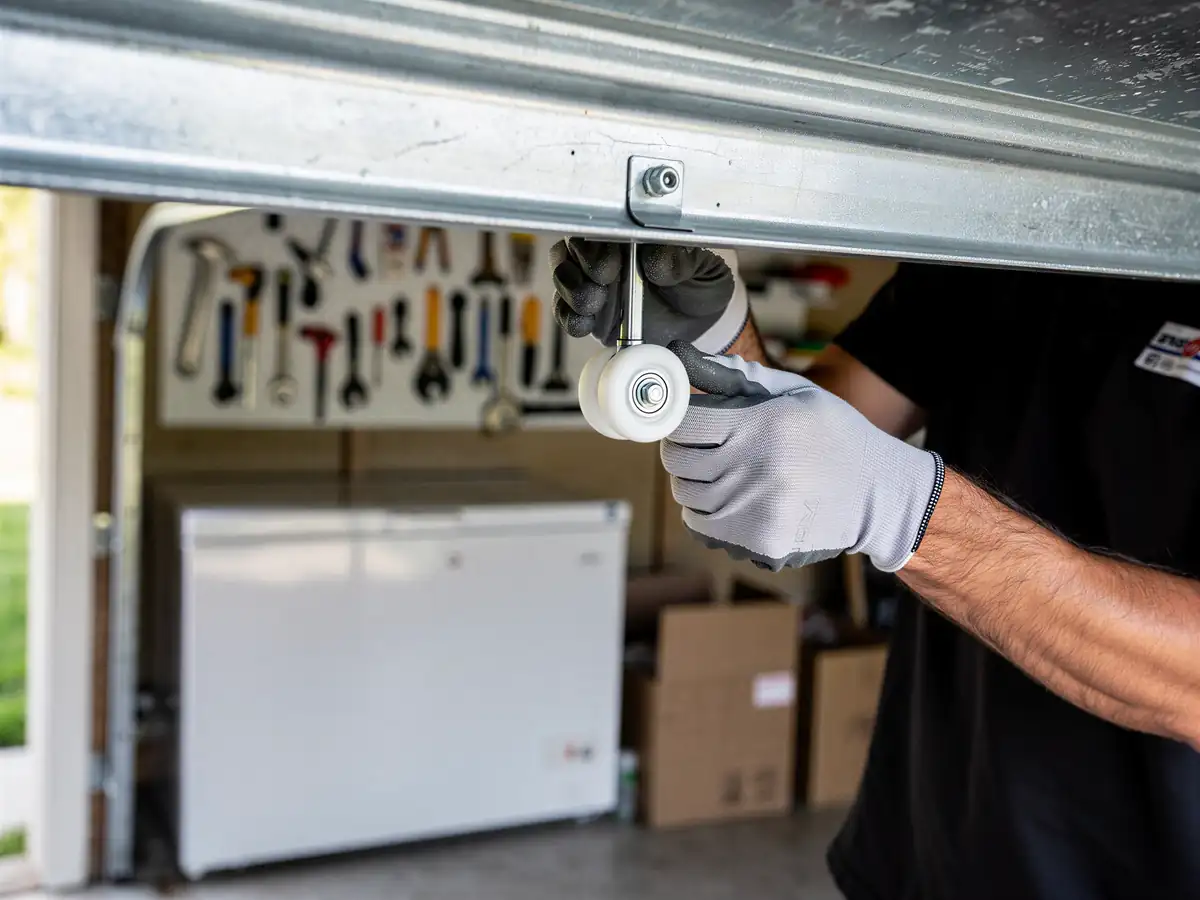
A typical spring or cable job is parts and labor we carry on the truck: torsion springs, end bearings, lift cables, rollers, and the hardware that goes with a door from this era. Metter homes run older on average than a lot of what we see - median year built around 1982 - so the openers and track hardware we pull off are often original or a first replacement, not the newer low-profile stuff. That means more of the job is matching old hardware to parts we still stock, and less of it is plug-and-play. We check the whole system while we're there: track alignment, hinge wear, the opener's force settings, because a spring failure on a 40-year-old door is rarely the only thing wrong.
What Causes It Around Here
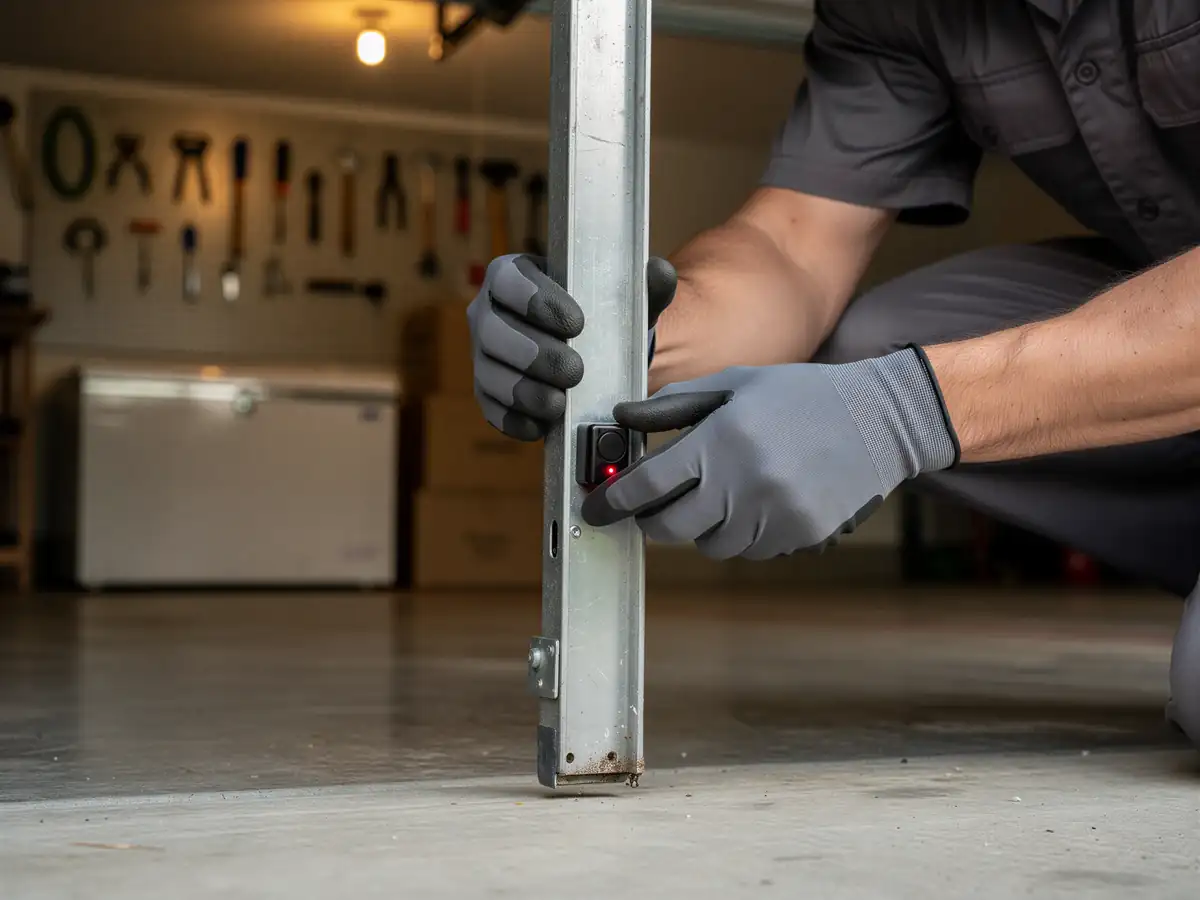
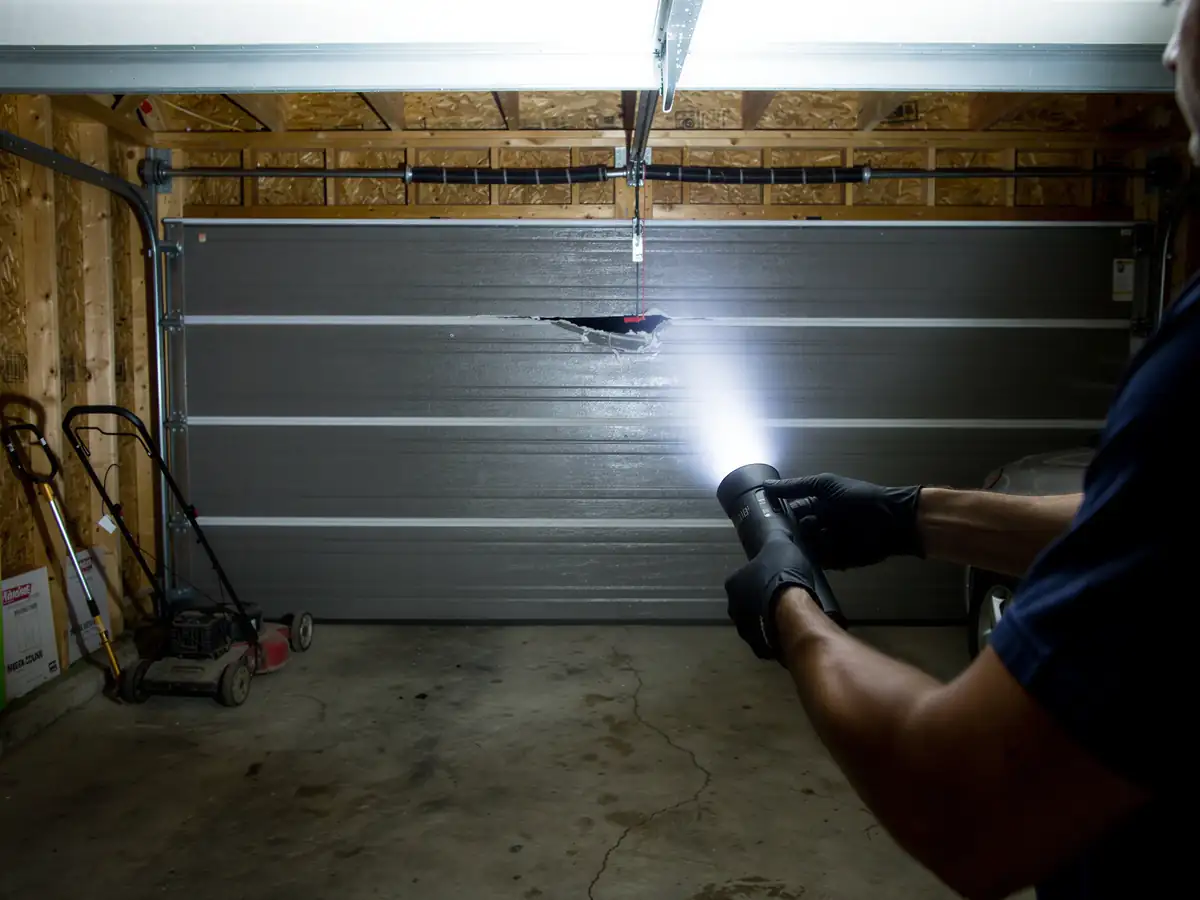
With a median year built of 1982, a lot of Metter's garage doors are on their second or third spring but still running the original torsion hardware and sometimes the original opener. That combination - old steel, decades of cycles, Georgia's mild-with-some-freeze swings - is what we see fail: torsion springs that have simply used up their cycle life, cables that have frayed at the drum from years of the same wear point, and center hinges stretched from a door that's sagged a little more every winter. Houses built in this window also tended to get single-sensor or no-sensor openers originally, so when a safety reversal doesn't work right, it's often original equipment doing a job it was never built to meet by current standards.
How Long It Takes
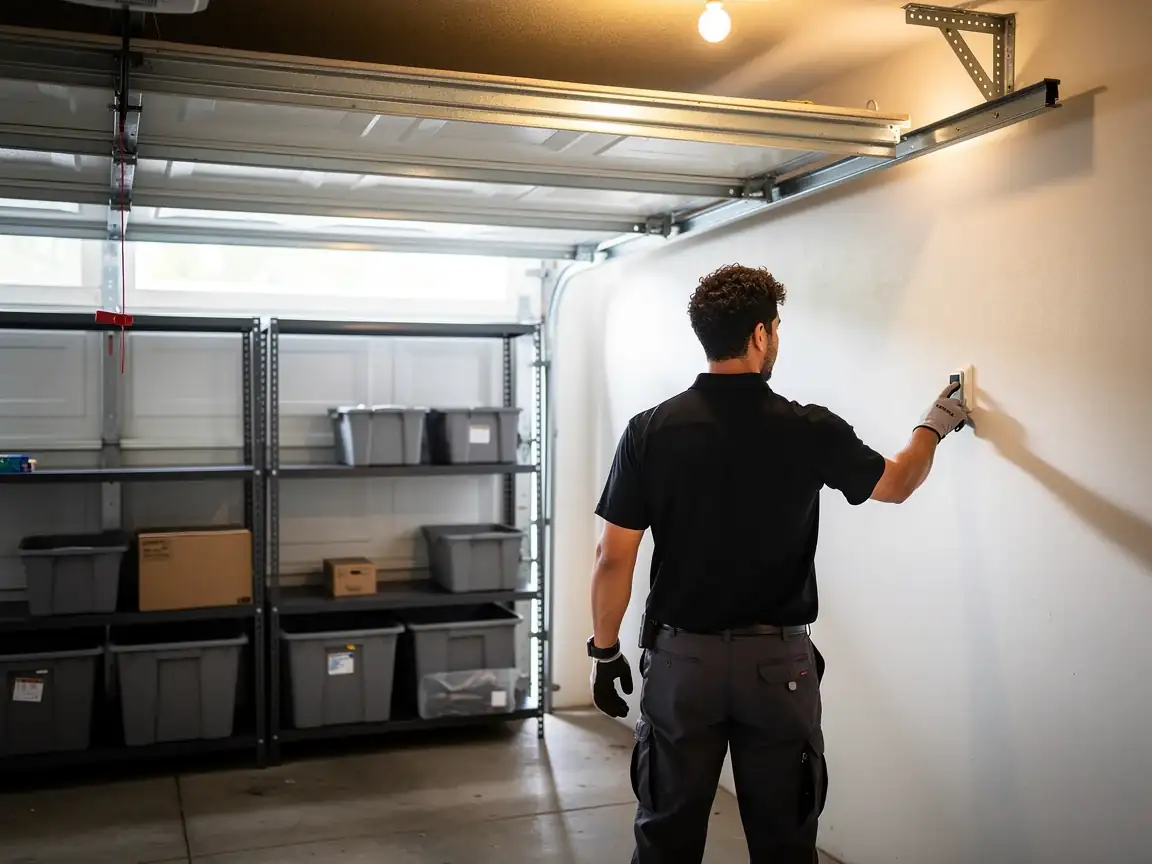
Most spring, cable, and roller repairs run under two hours of hands-on work once the truck is at your house. The variable for Metter isn't the repair - it's the drive. Figure that into when you call: an early call gets you earlier in the day's route out from Statesboro. Opener issues on older units sometimes take longer if we're tracking down a wiring problem instead of swapping a part, especially on original equipment from houses built around 1982 where the wiring wasn't always done to today's standard.
Doing It Yourself
A torsion spring is not a DIY repair - the tension stored in one can break a bone or worse, and we won't talk anyone through doing it themselves over the phone. What you can safely check: the manual release cord, whether the tracks are visibly bent, whether the opener's lights blink a specific number of times (a lot of 1980s-era openers used a code you can look up in the manual if you still have it). If your door is original to a house built in the early 1980s, there's also a real chance the wiring or gear-drive parts inside the opener are near the end of their life, and sometimes replacing the opener costs less than chasing a failing part. That's a call we'll make honestly when we're there, not one we'll guess at over the phone.