What the Repair Takes
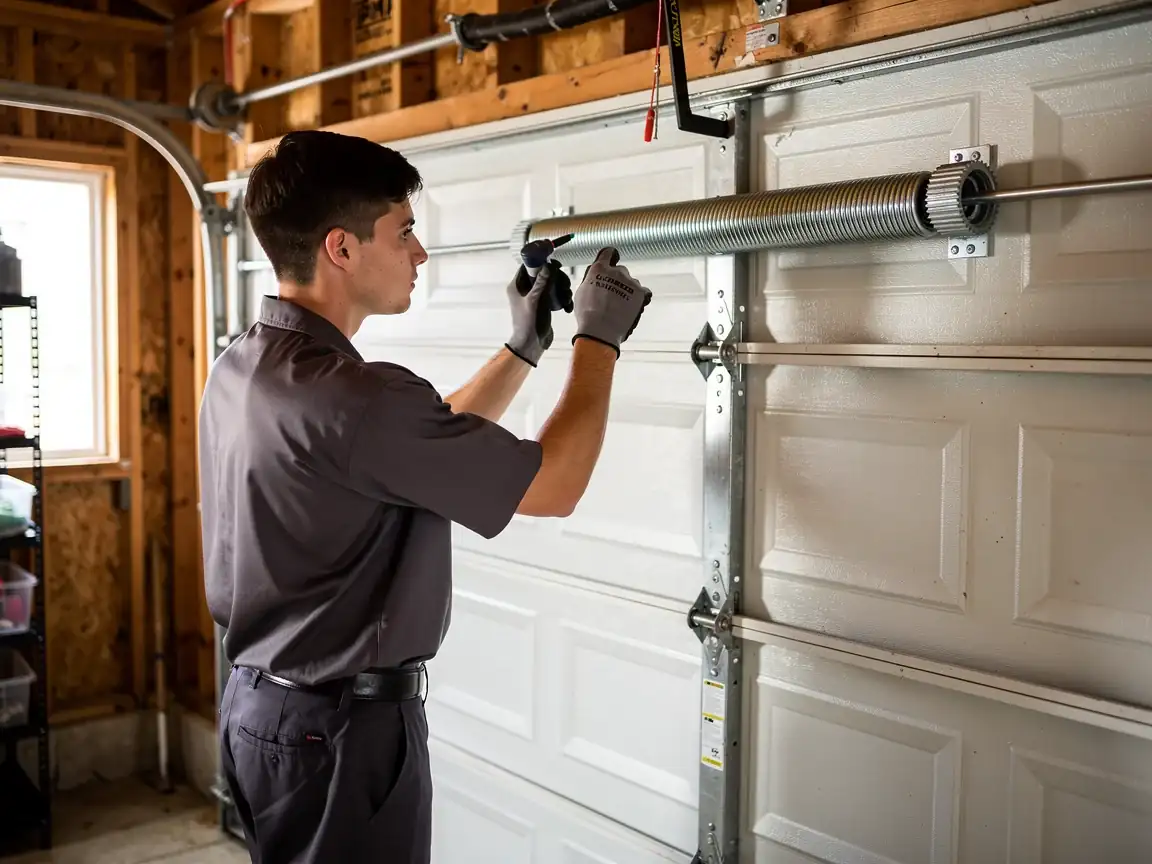
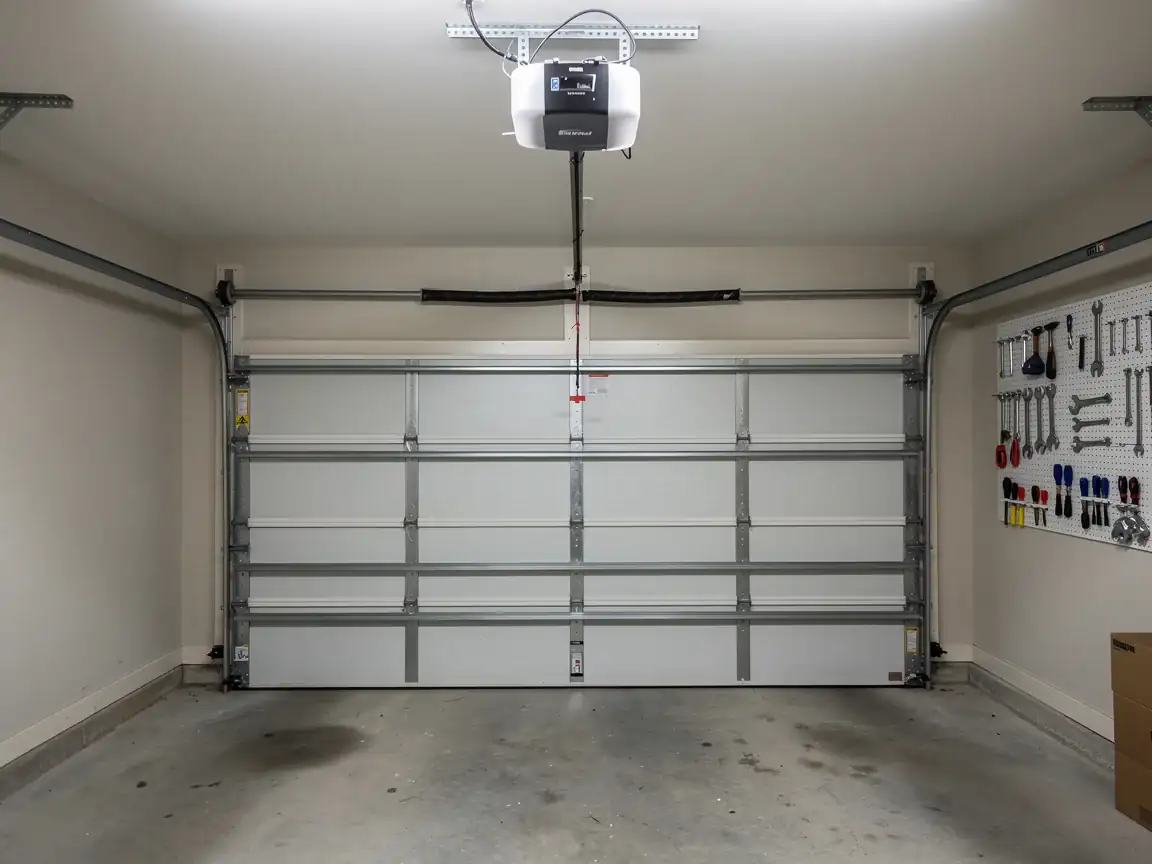
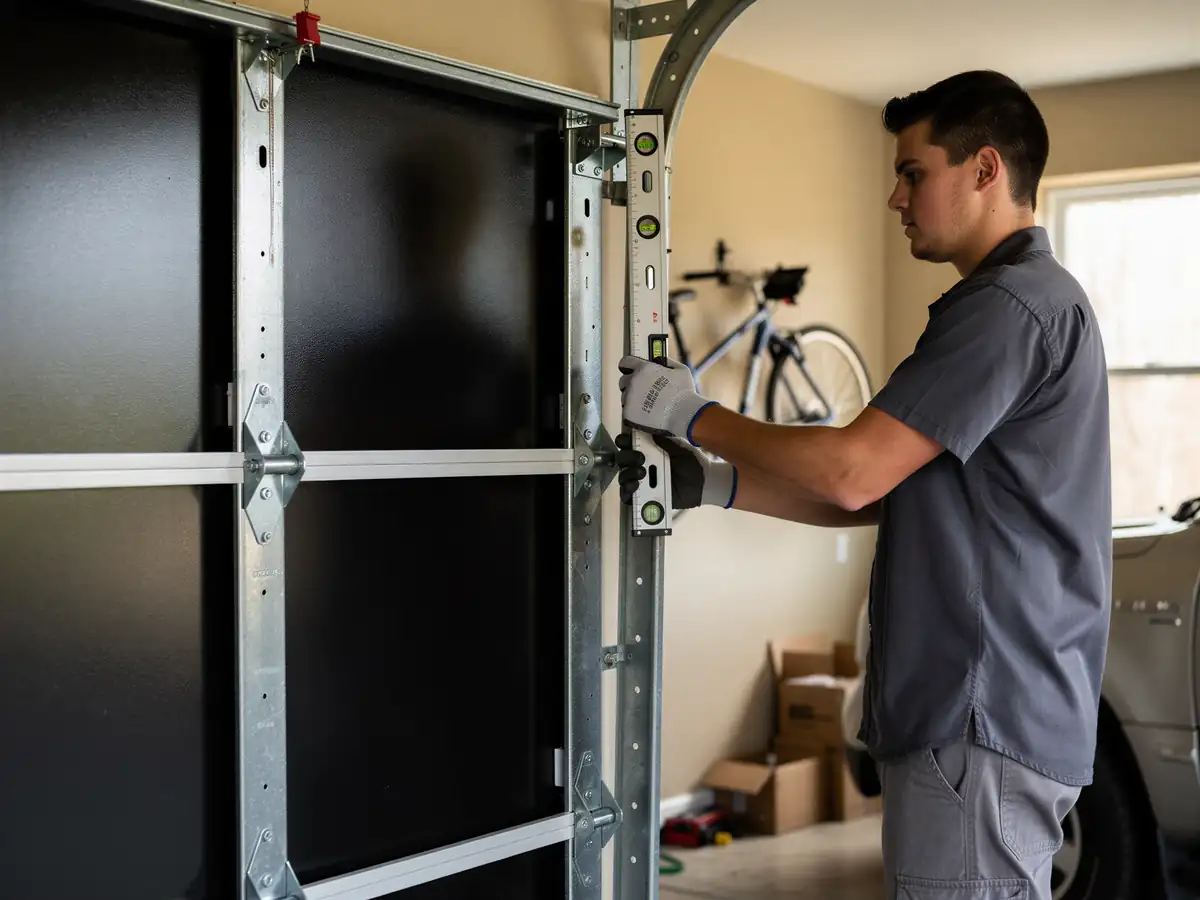
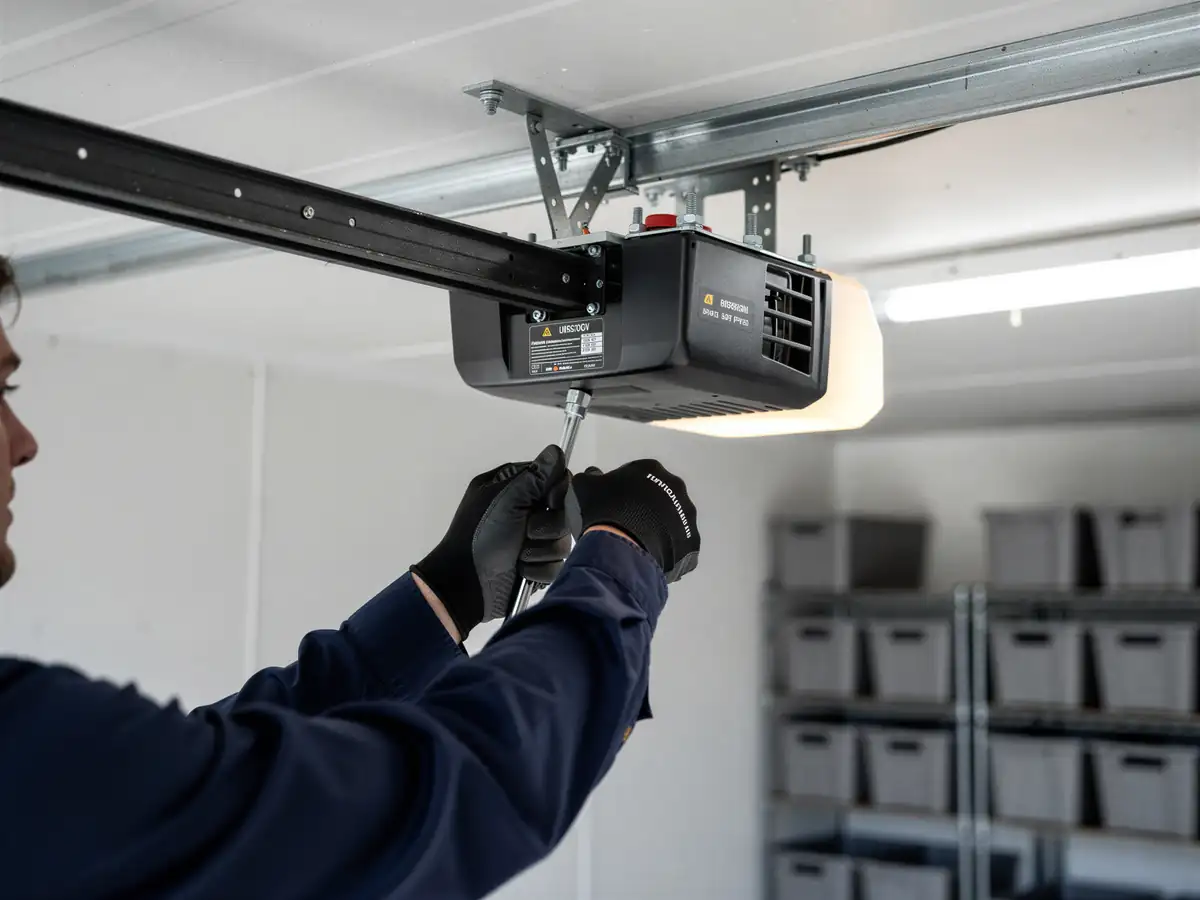
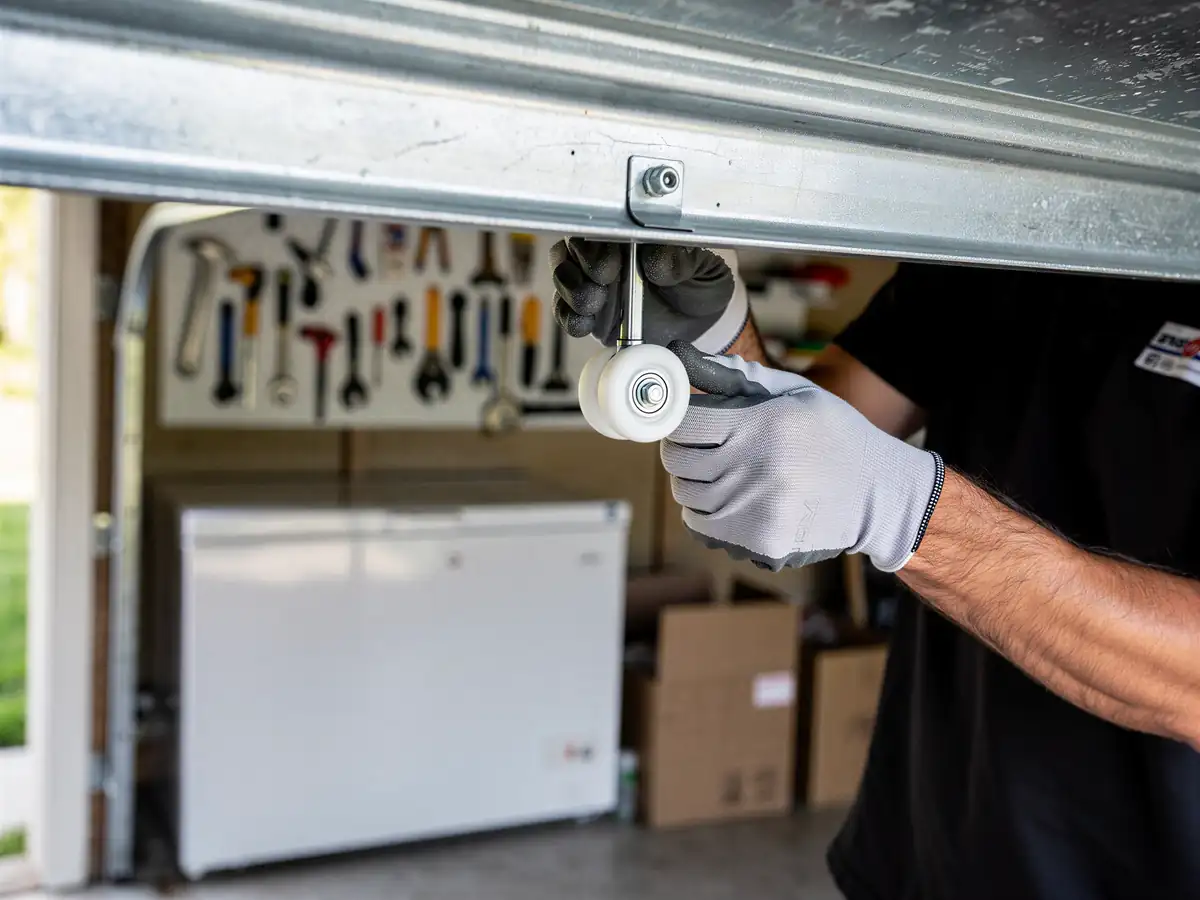
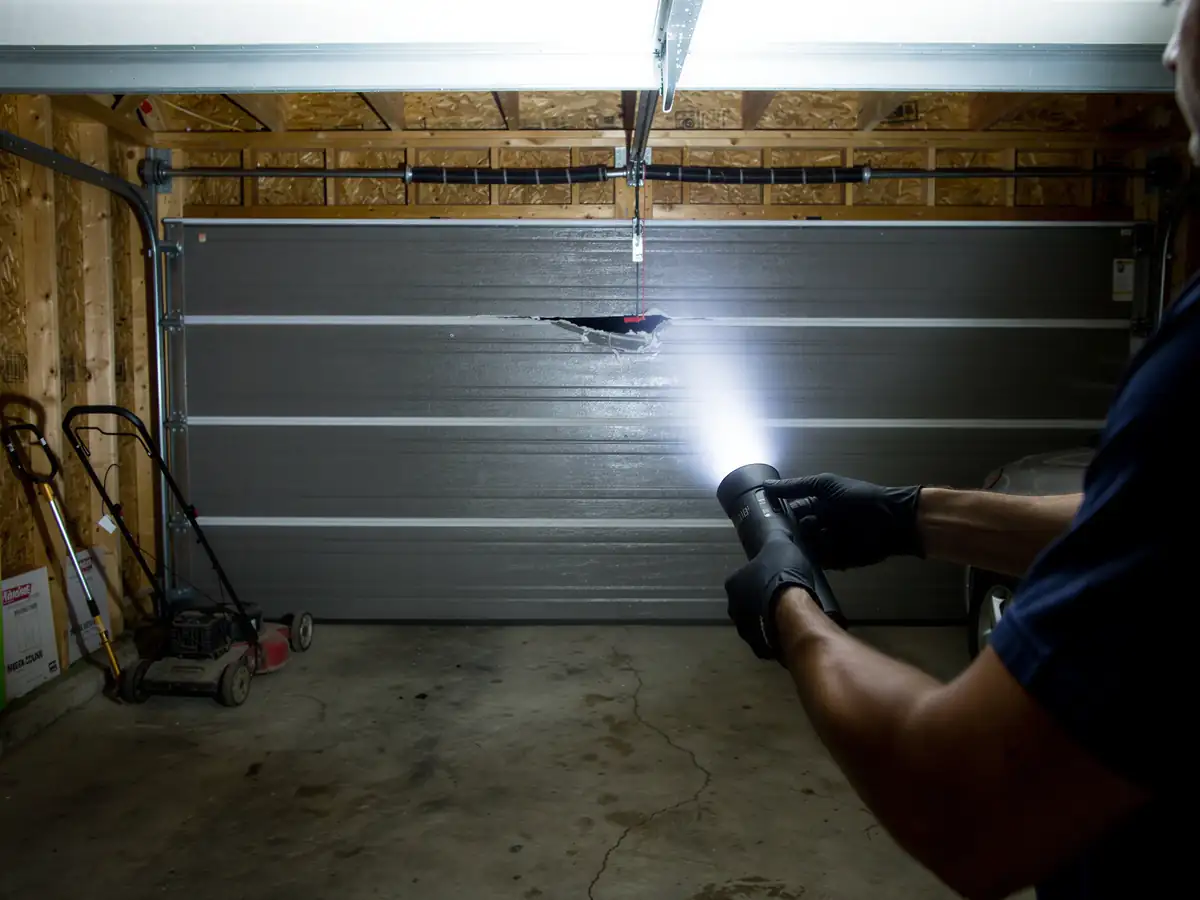
Most of what we see in Metter traces back to the age of the house more than anything dramatic. With a median build year around 1982, a lot of these doors and openers are original or close to it - not ancient, but old enough that springs have cycled tens of thousands of times and the opener's internals have outlived their lubrication. The actual repair is usually straightforward: a torsion spring swap, a worn roller replaced before it jumps the track, a cable re-seated and tensioned. What takes the time isn't the wrench work, it's confirming the door is otherwise sound before we close it back up - hinges, cables, the bottom bracket - so you're not calling again in three months for something we could've caught the first trip. We don't carry every part for every opener model on the truck at all times; some control boards and certain drive belts need ordering, and we'll tell you straight if that's the case rather than pretend it's a same-visit fix.
What Causes It Around Here
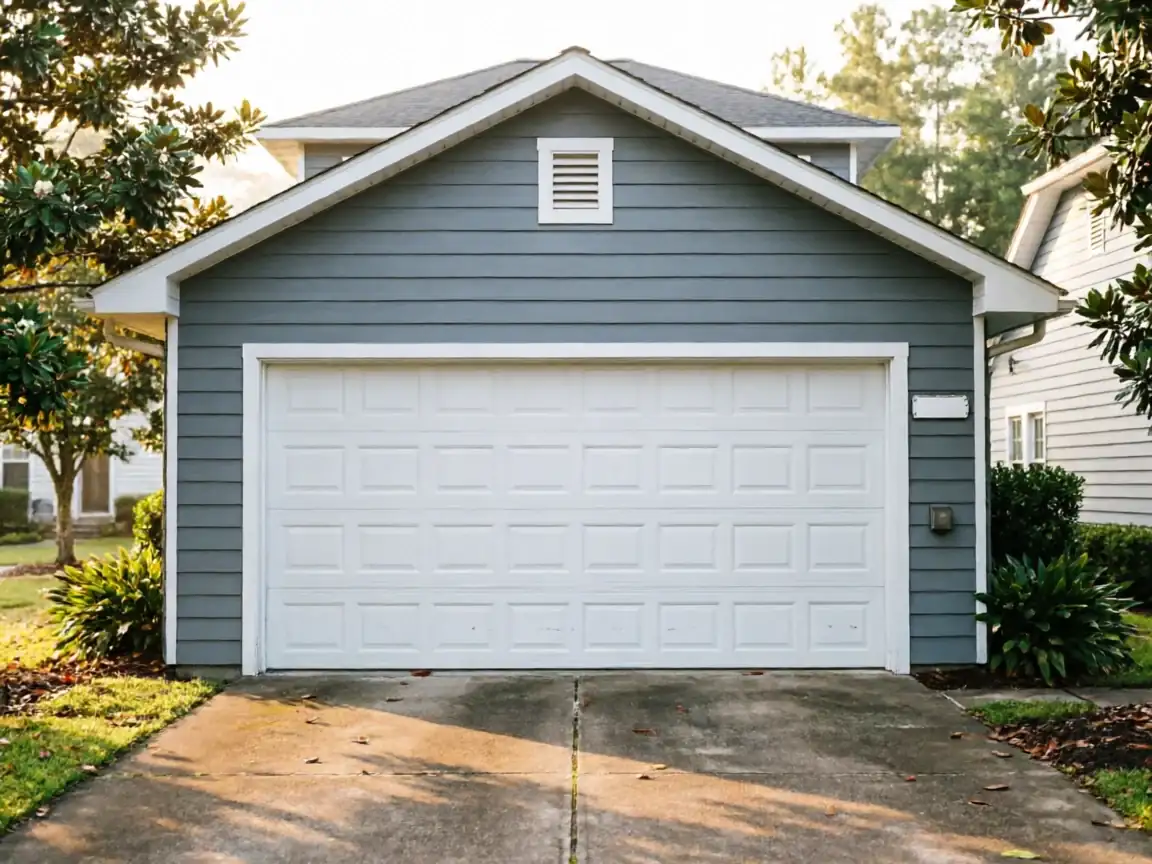
The housing stock in Metter dates mostly to the late 1970s through early '90s, with 1982 sitting as the median year built. Doors and openers from that run were built to a lower standard of corrosion resistance and spring durability than what ships now, and three or four decades of use is enough to take even a well-maintained torsion spring near the end of its rated cycle count. The region overall - Metter included - sits in a mild climate with occasional freeze, which isn't the kind of extreme heat or cold swing that cracks panels outright, but it does mean metal parts go through enough thermal cycling year over year to loosen fasteners and stiffen lubricant faster than you'd expect from looking at the weather forecast alone. At $36,111, median household income in Metter runs well under the $55,125 median across the wider service area, and that gap shows up in how repairs get handled here - more patch-and-extend calls, fewer full teardown replacements than we might see elsewhere, which is a reasonable way to run it as long as the door's bones are sound.
How Long It Takes
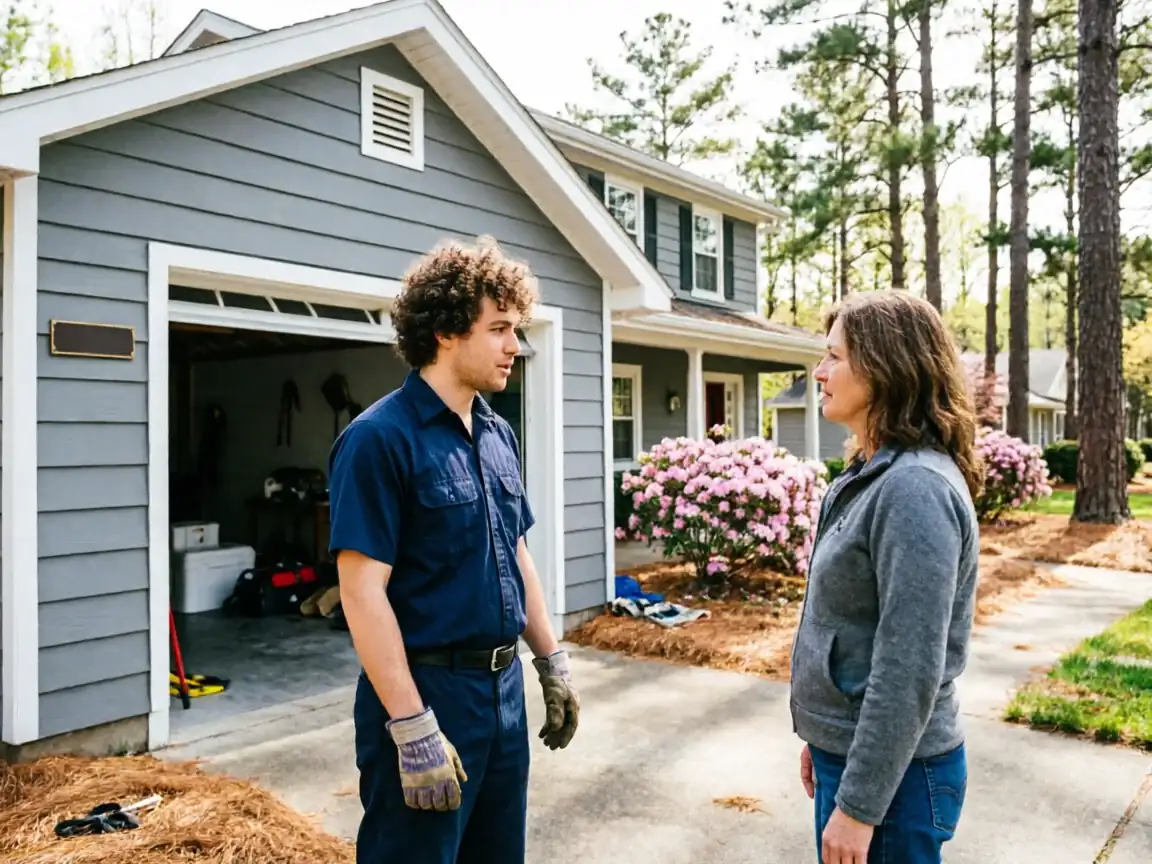
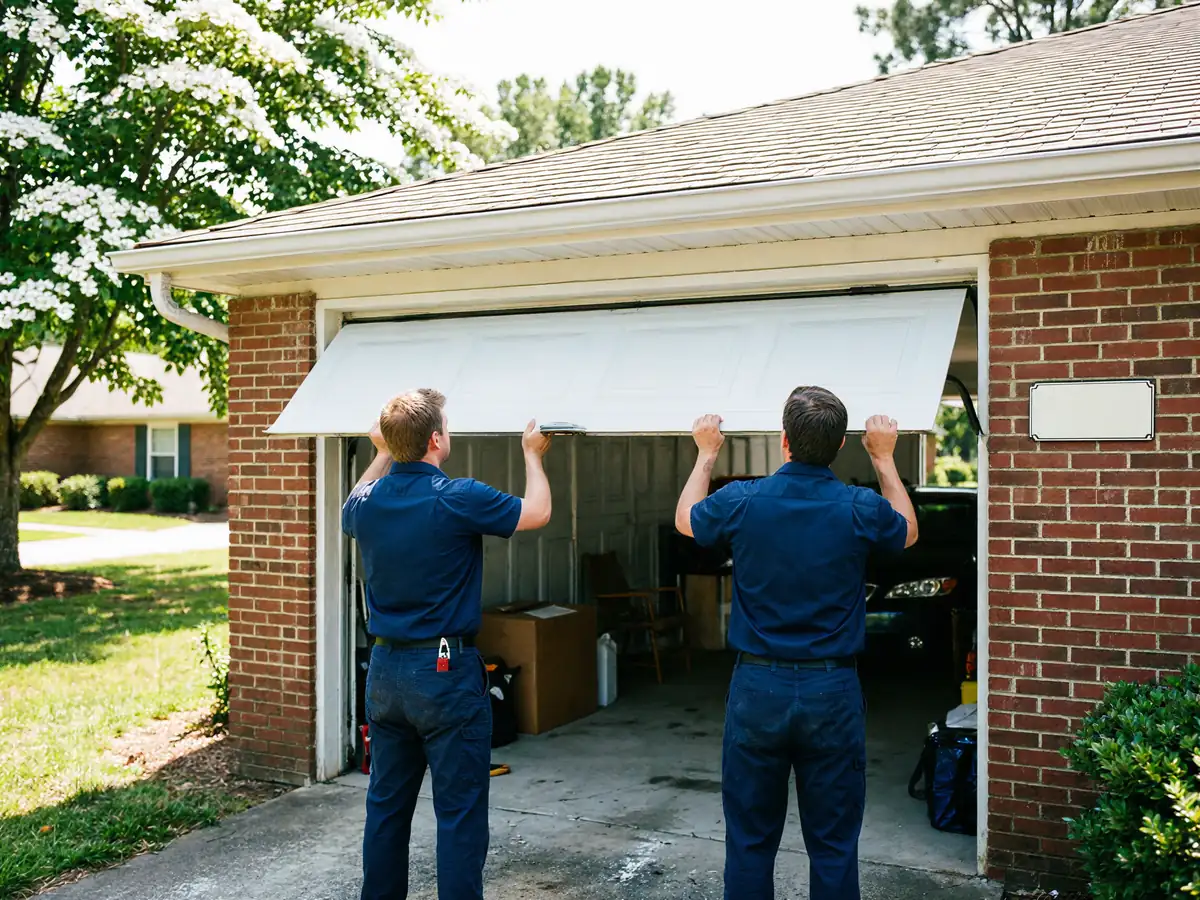
A spring replacement or a roller swap is typically a short job once the truck is on site - most of the visit is diagnosis and making sure nothing else on the door is close to failing, not the repair itself. Jobs that need an ordered part, like certain opener control boards, take longer simply because of shipping, and we'll tell you up front if that's where your job is headed rather than let you assume it's same-day. Because we're driving out from Statesboro, factor the travel into when we can realistically get there, especially if you're calling later in the day - we're not a five-minute-away operation for Metter the way we might be for something closer to the shop. We'd rather set that expectation honestly than have you waiting on a truck that's still seventeen miles out.
Doing It Yourself
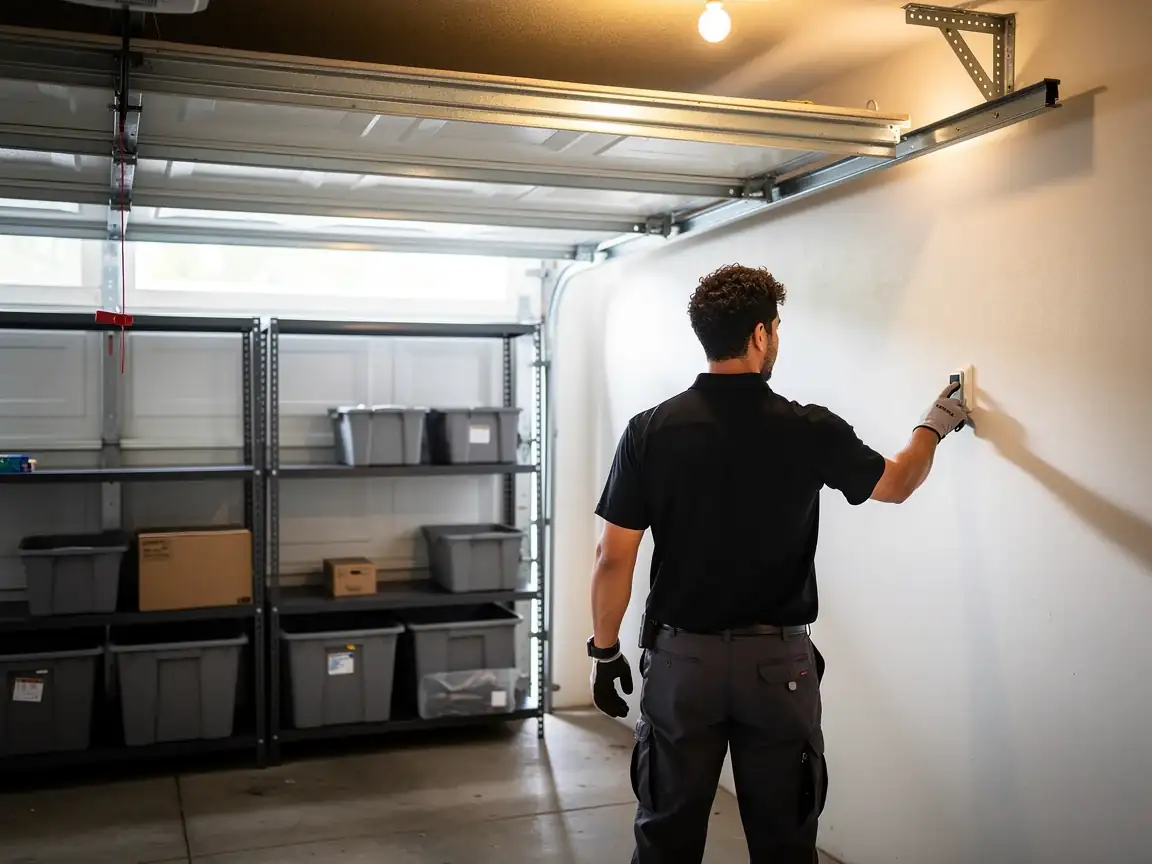
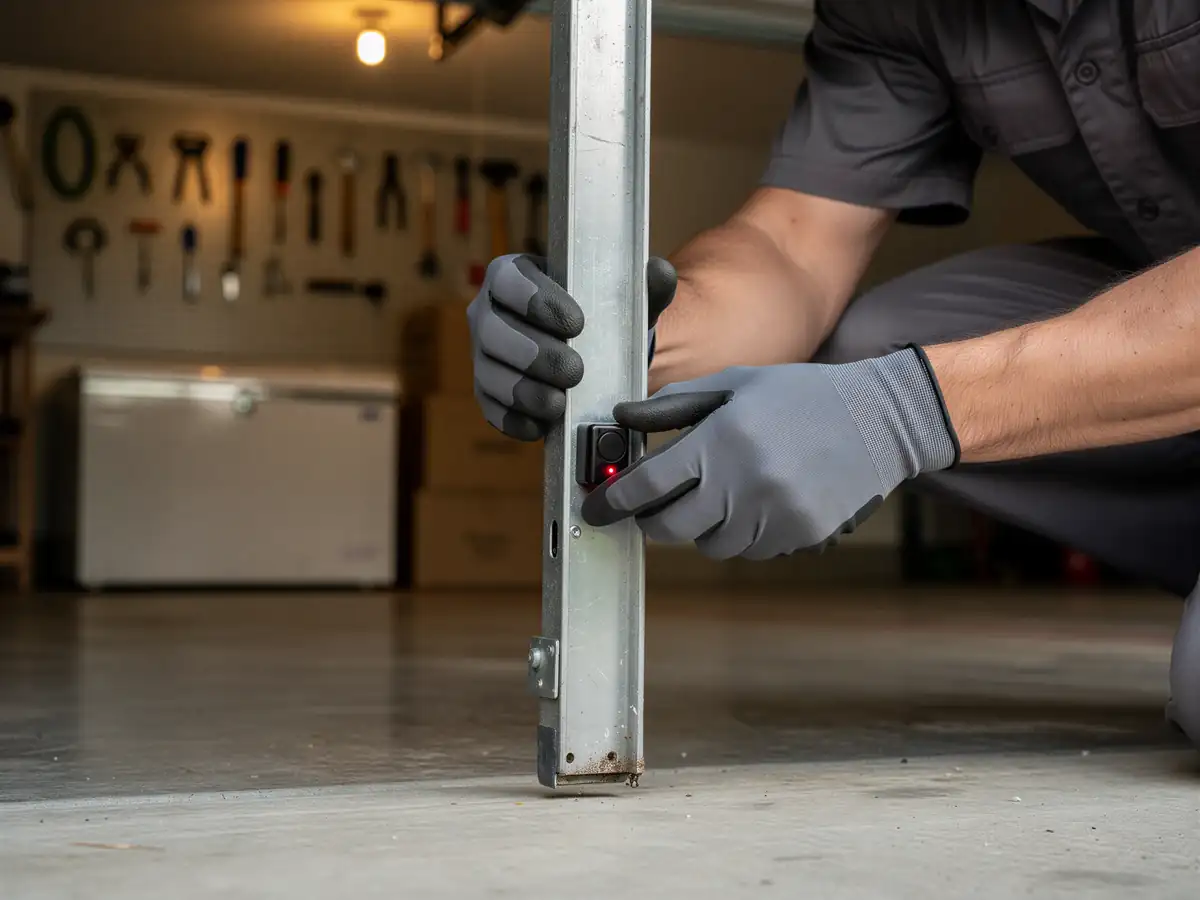
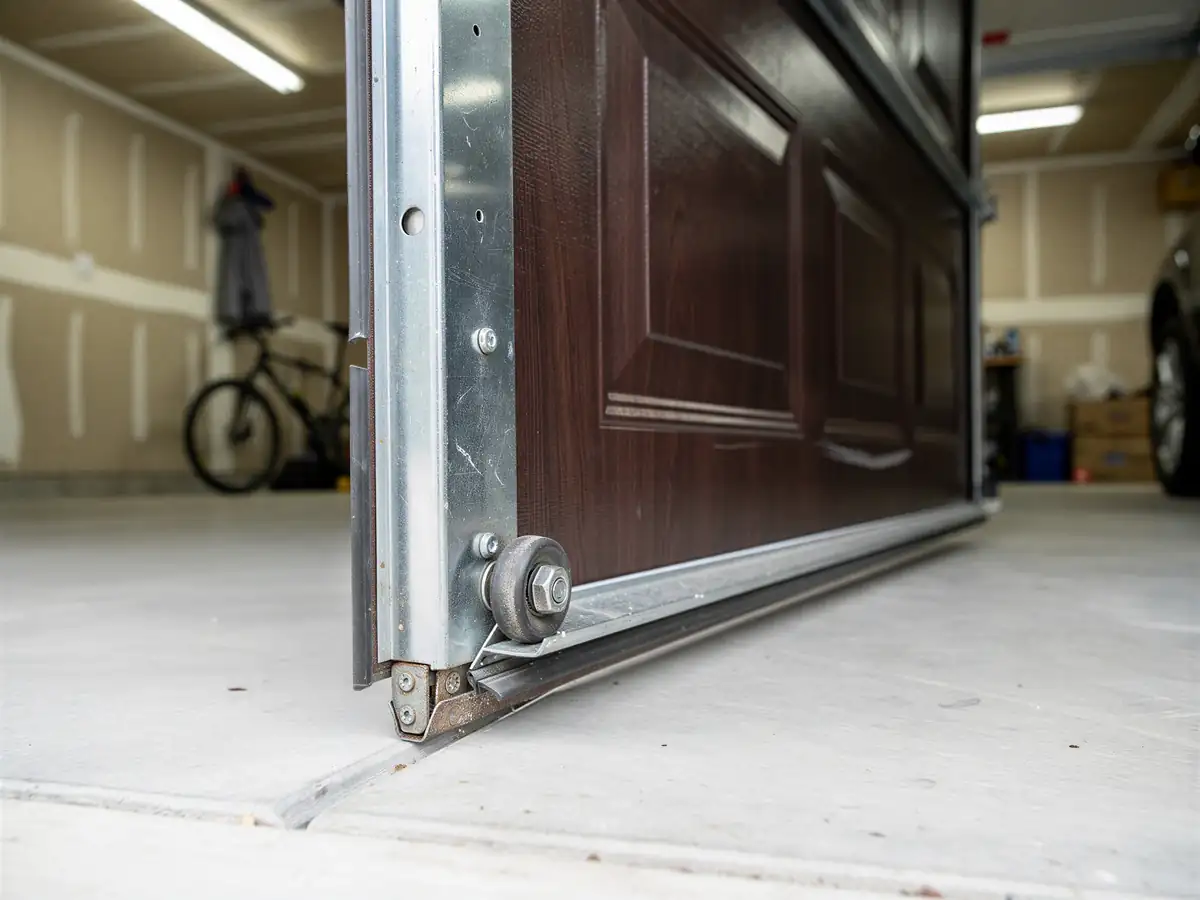
There's a hard limit on what's safe to do yourself with a garage door, and it's the torsion spring. It's wound under enough tension to break bones if it lets go while you're working on it, and that's true whether the door is five years old or forty. Things you can reasonably check yourself: whether the tracks are visibly bent, whether the bottom rubber seal is torn and letting in weather, whether the remote batteries are dead, and whether the photo-eye sensors near the floor are aligned and clean - a knocked-out sensor is a common reason an opener refuses to close and it's a two-minute fix. Beyond that, especially anything involving the spring, cables, or the opener's internal gearing, it's not worth the risk to save a service call. If your door is from the early-'80s wave common in Metter, assume the spring has seen a lot of cycles and treat it with more caution, not less.