What the Repair Takes
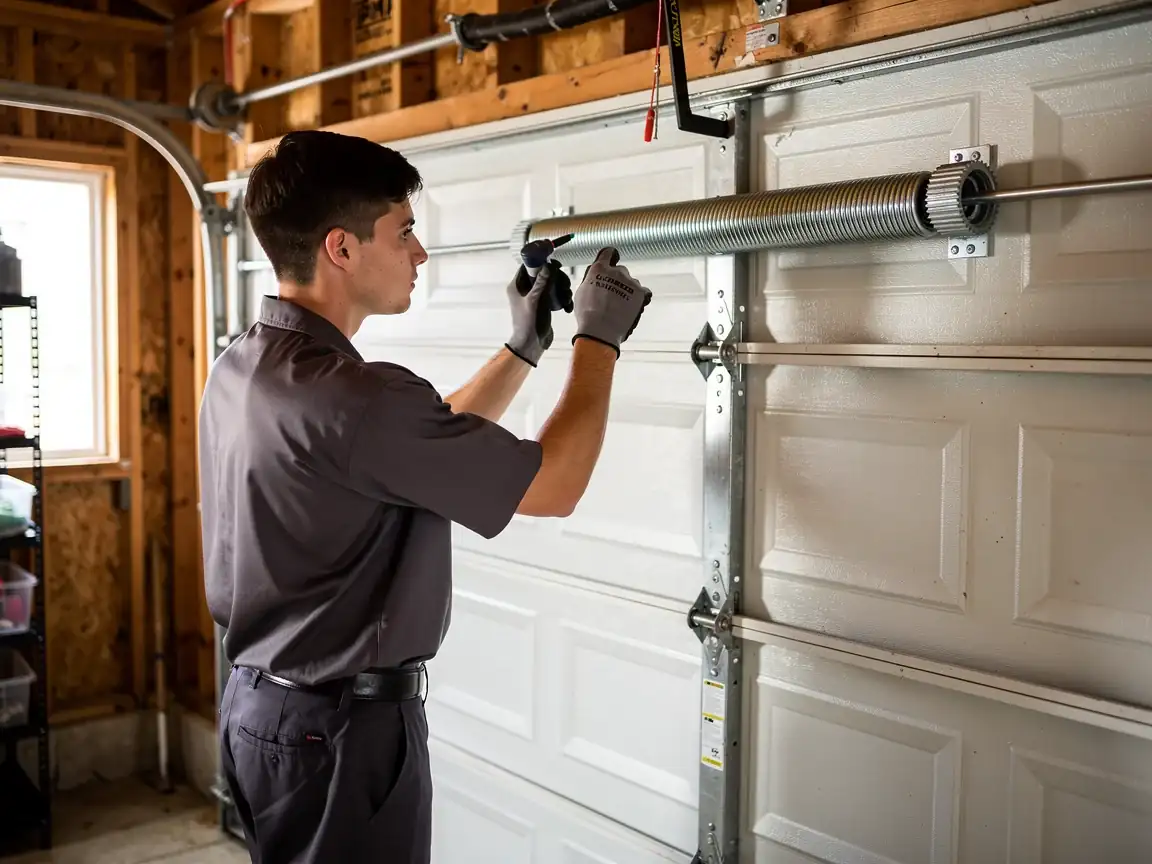
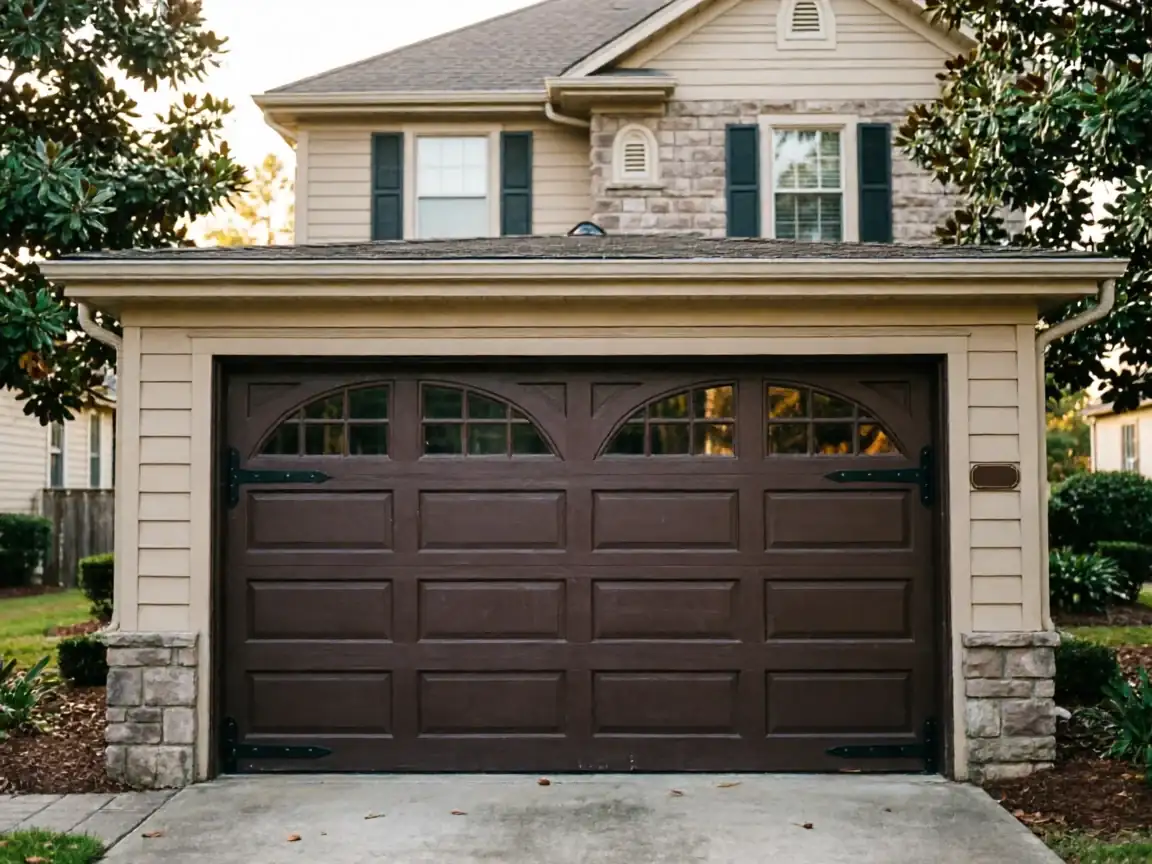
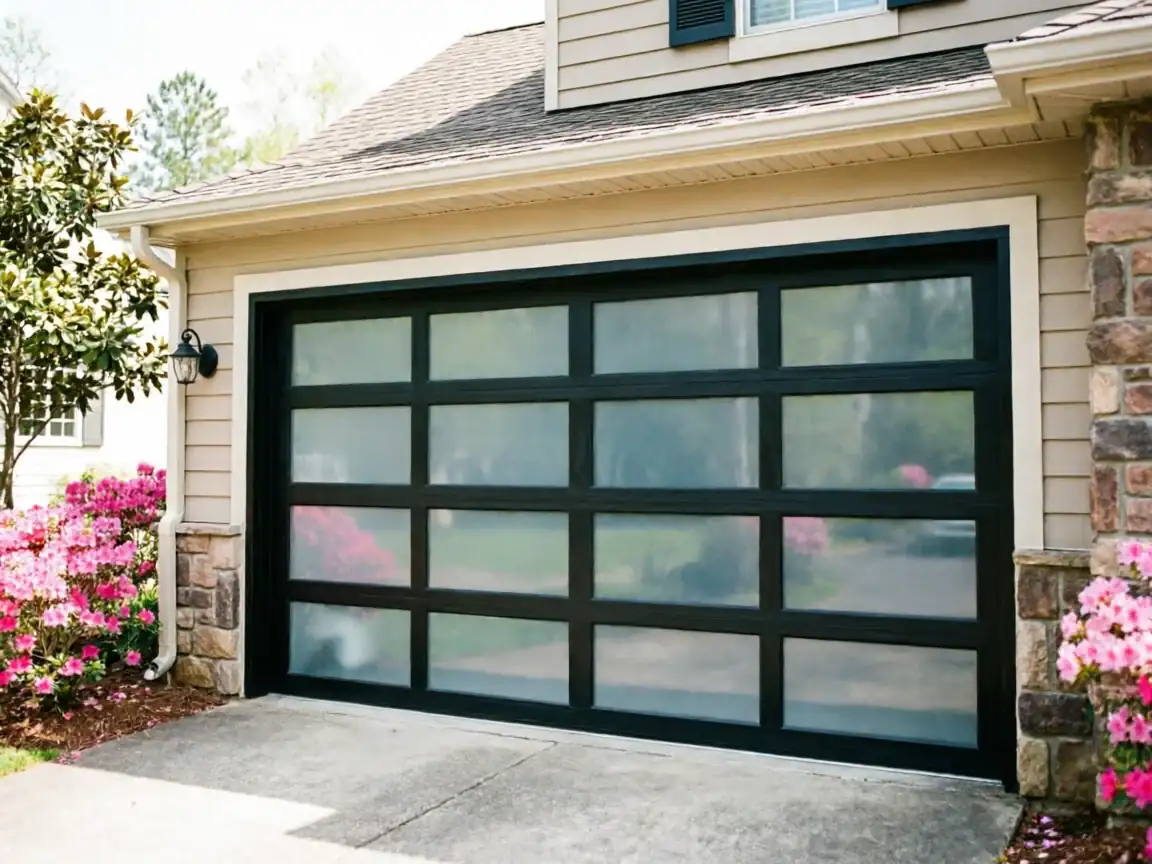
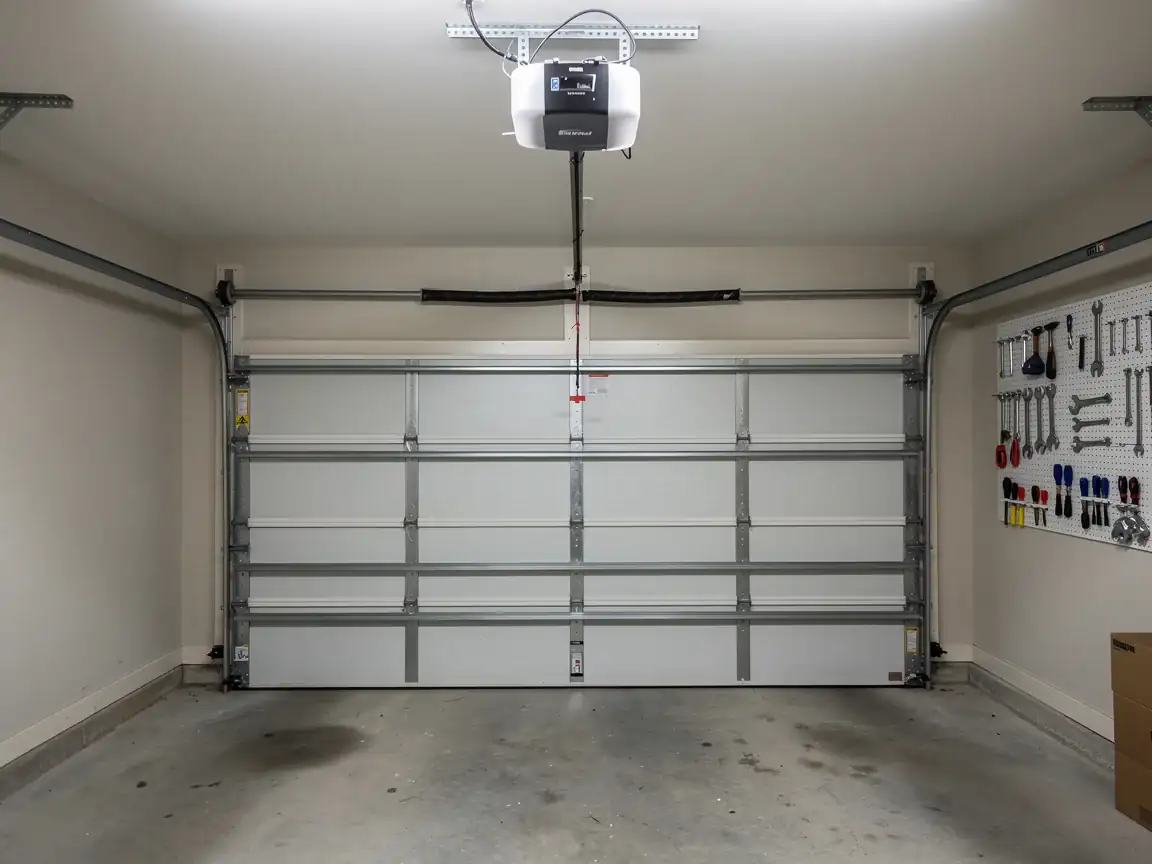
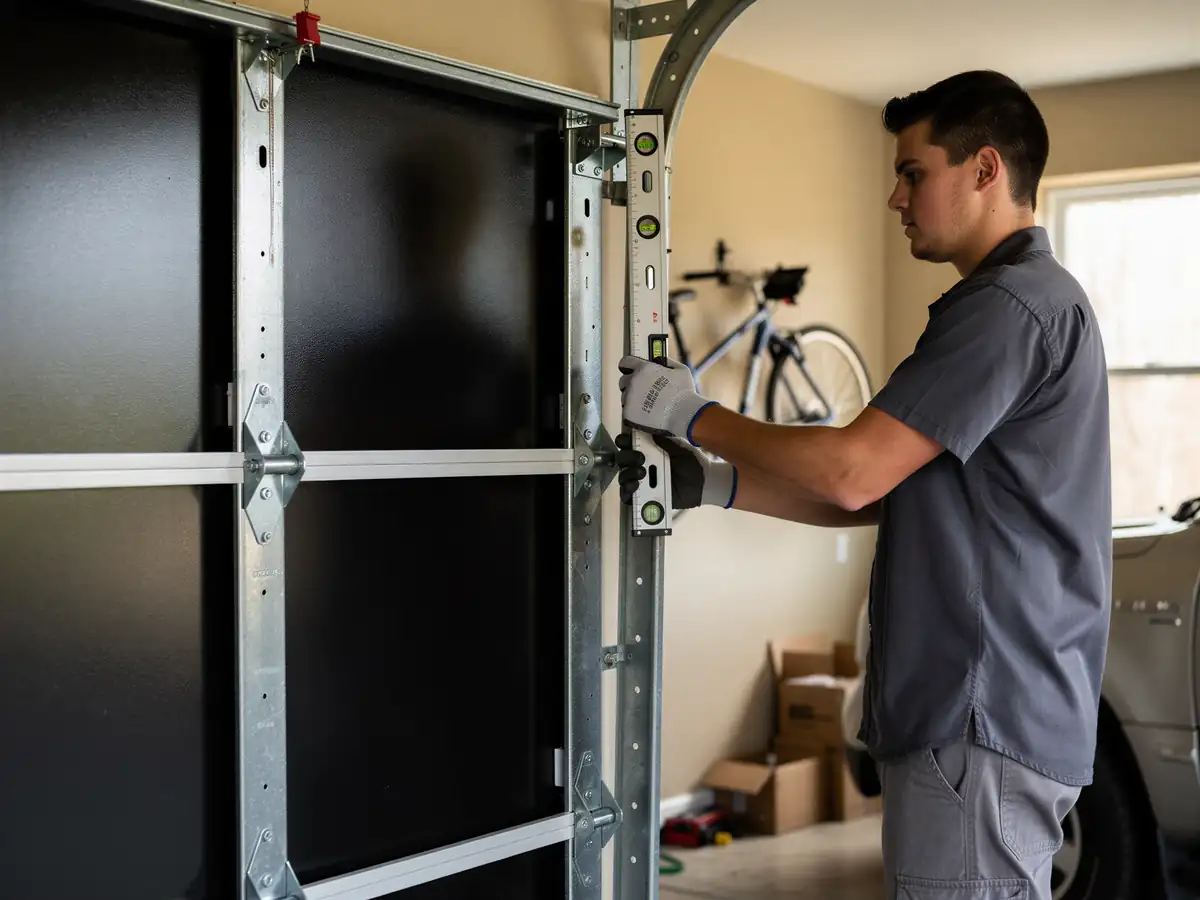
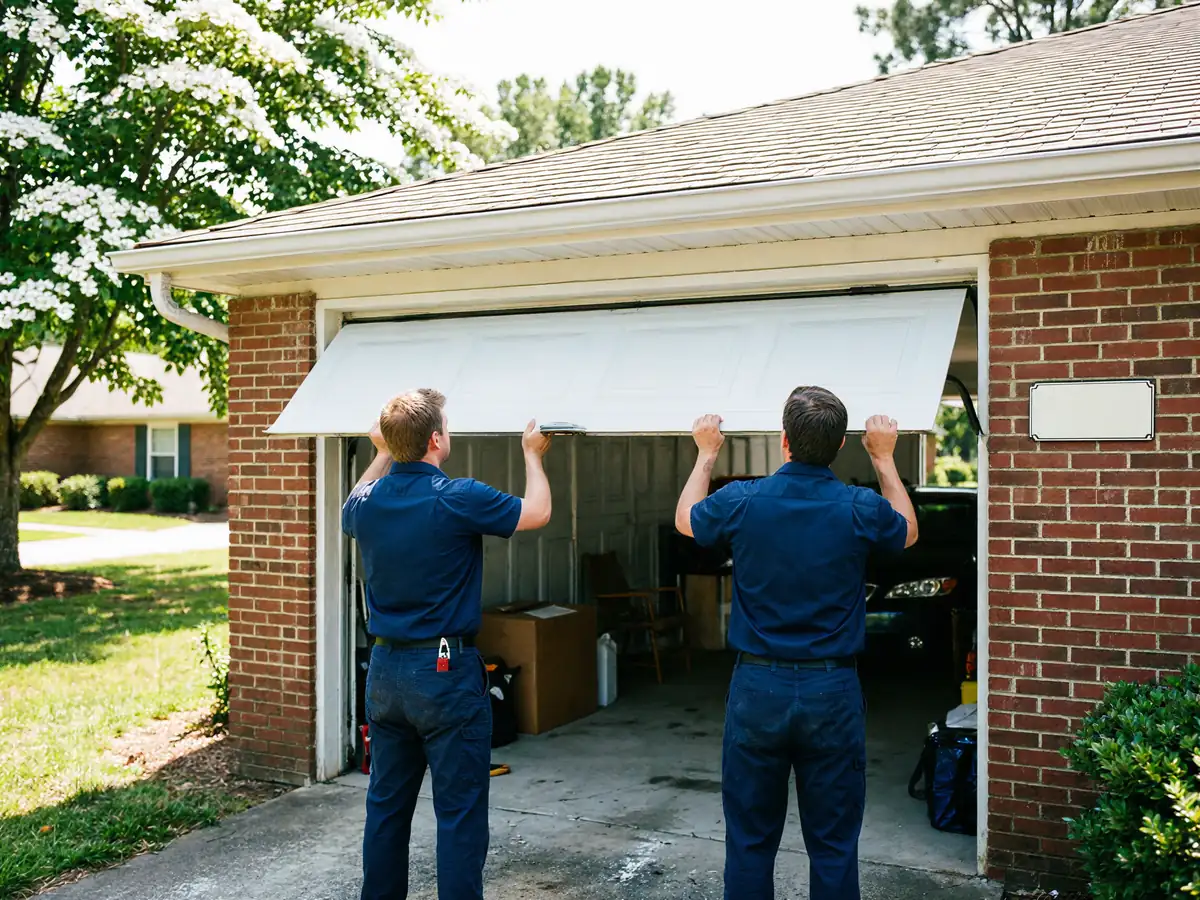
New installation isn't a repair, so this is about what replacing an old door takes rather than patching one. Pulling the existing door, swapping or reusing the track depending on condition, mounting the new panels, and balancing the spring system to the new door's weight is the core of it. On a house from the early 1980s, the opening is usually standard width, which keeps the job simpler than it is on some older or custom-built homes in this area. Where it gets longer is if the header above the opening has sagged or the framing has shifted over four decades - common enough at this housing age that we check for it before we quote final labor. We size the new springs to the door you're putting in, not the one coming out, since reusing old spring tension on a new door is one of the more common installer shortcuts that leads to a comeback call.
What Causes It Around Here
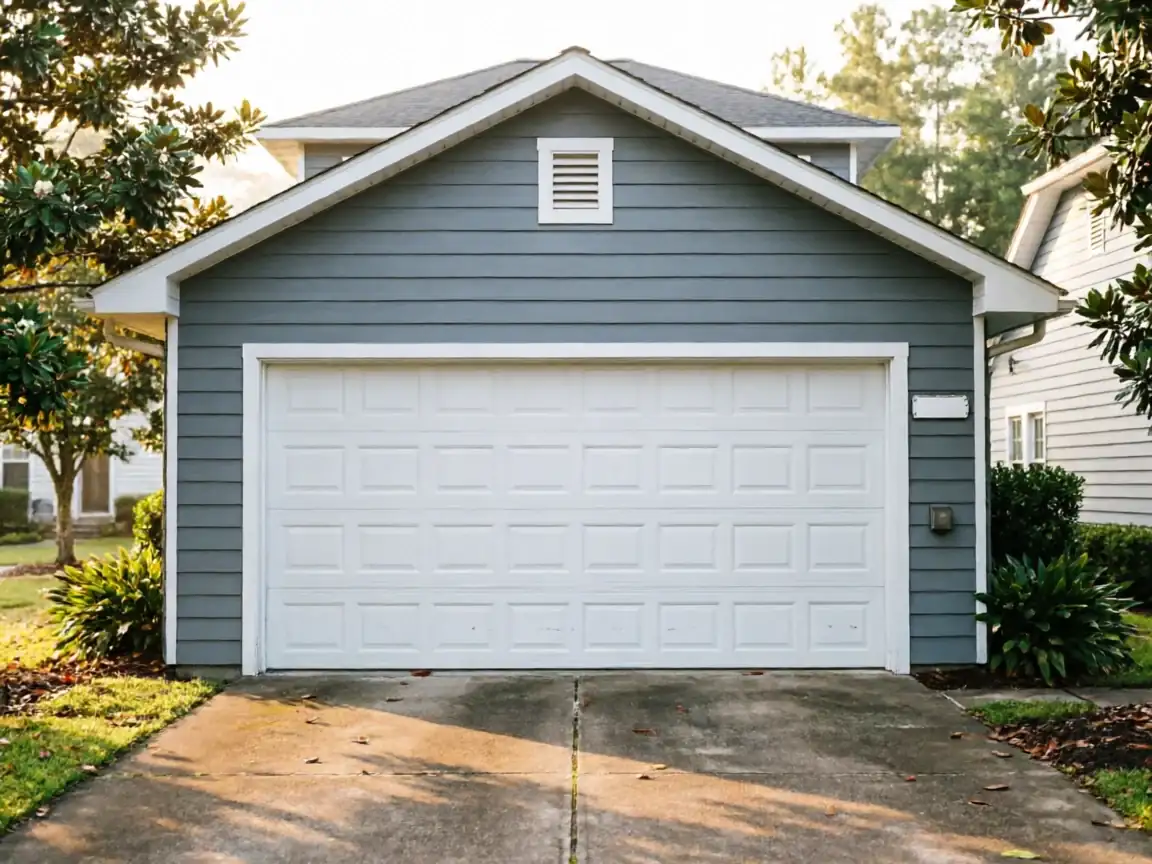
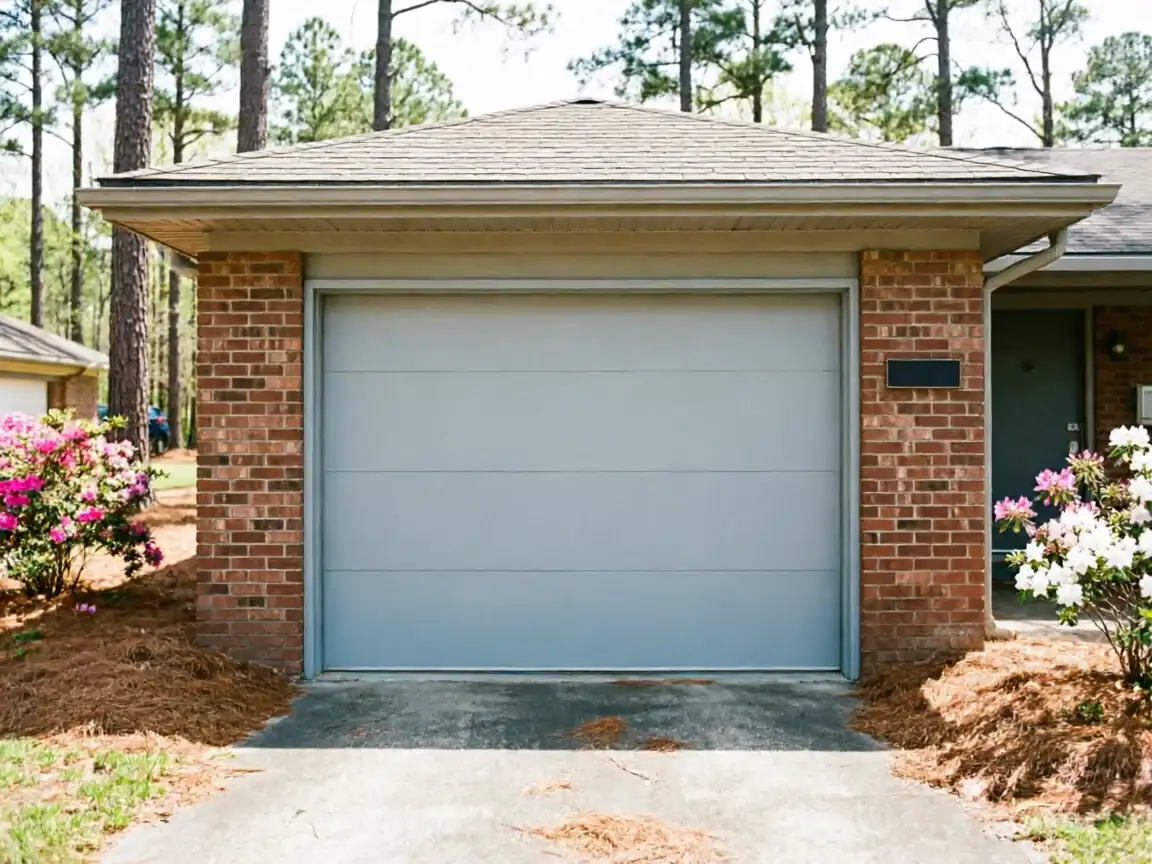
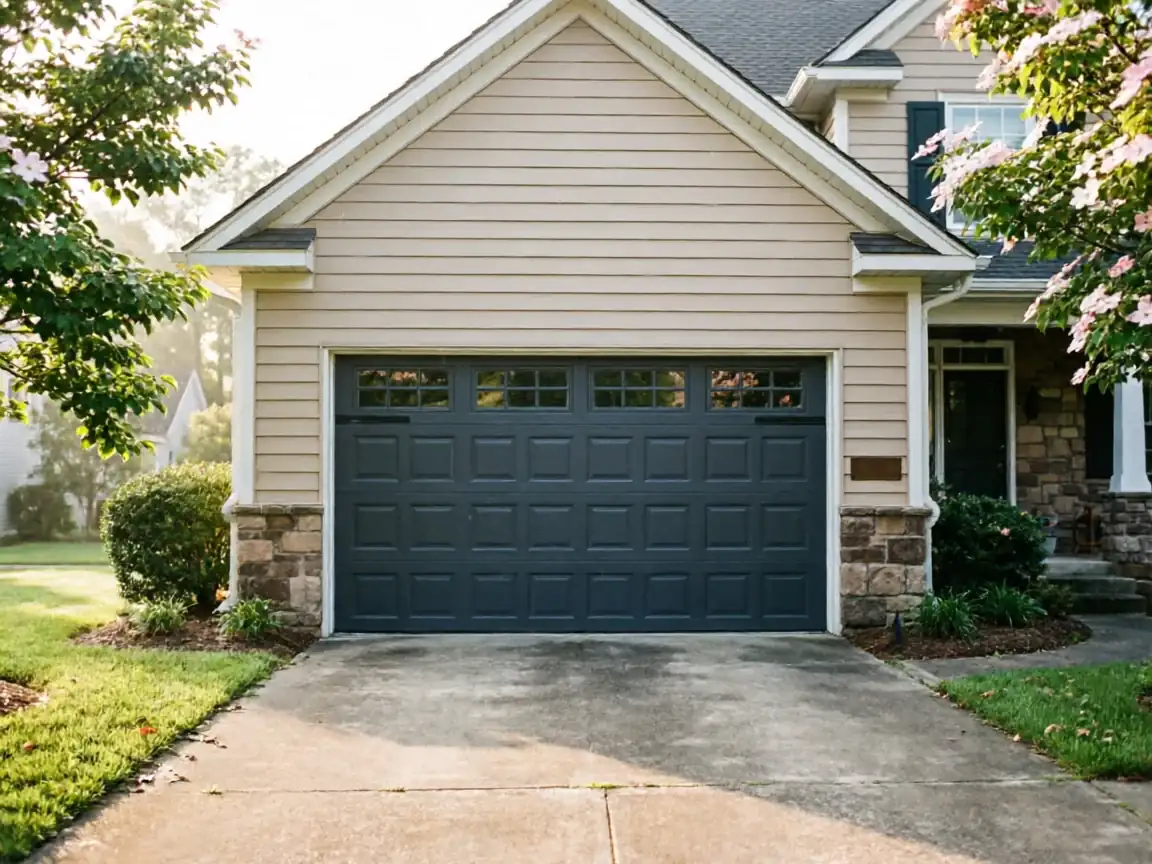
Most of what pushes a Metter homeowner toward new installation instead of another repair is age, not an accident. With a median build year around 1982, a lot of these doors and openers are on their second or third repair already - springs replaced once, rollers worn through, a motor that's been rebuilt past the point it's worth rebuilding again. At a median household income of $36,111, we understand that a full replacement is a real financial decision, not a casual upgrade, so we try to be honest about when a repair will actually hold versus when it's the third patch on a door that's done. The area sits in a mild climate with occasional freeze, which is gentler on hardware than harsher climates, but it doesn't stop galvanized track and steel springs from fatiguing out over 40-plus years of daily cycles.
How Long It Takes
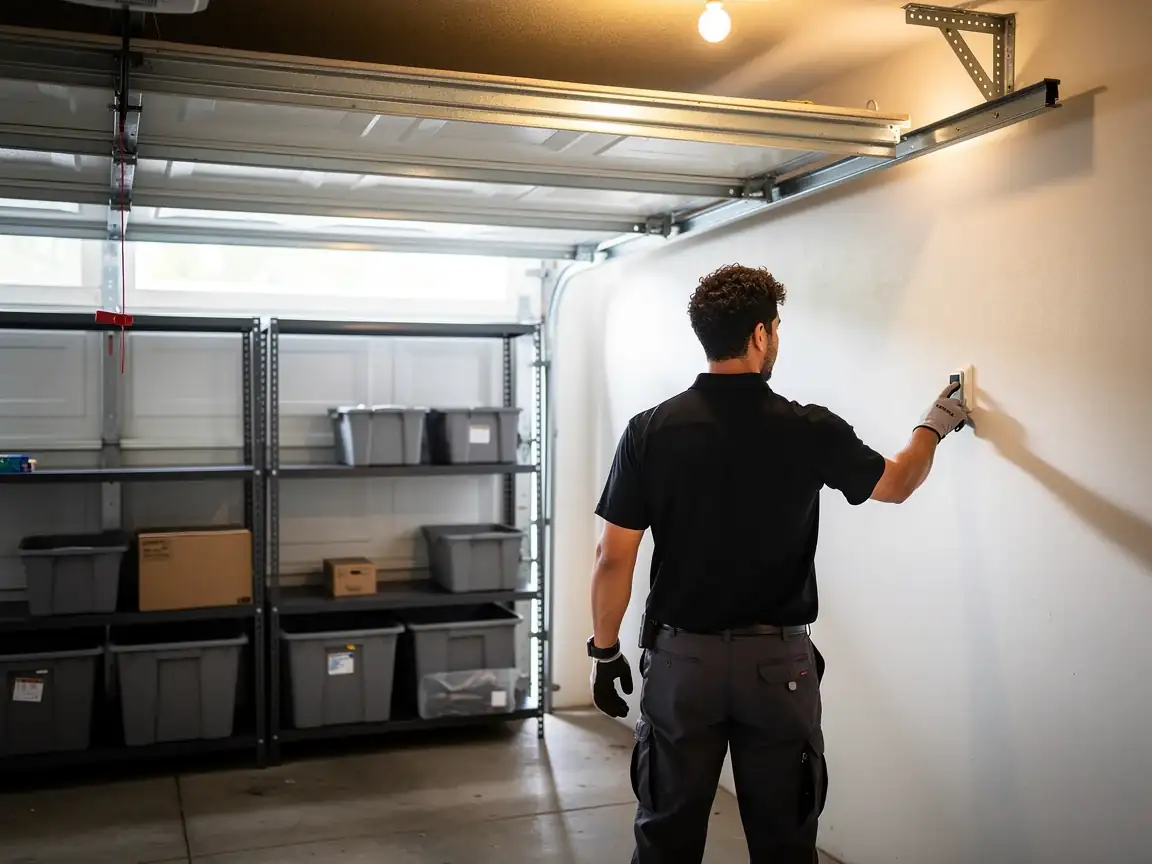
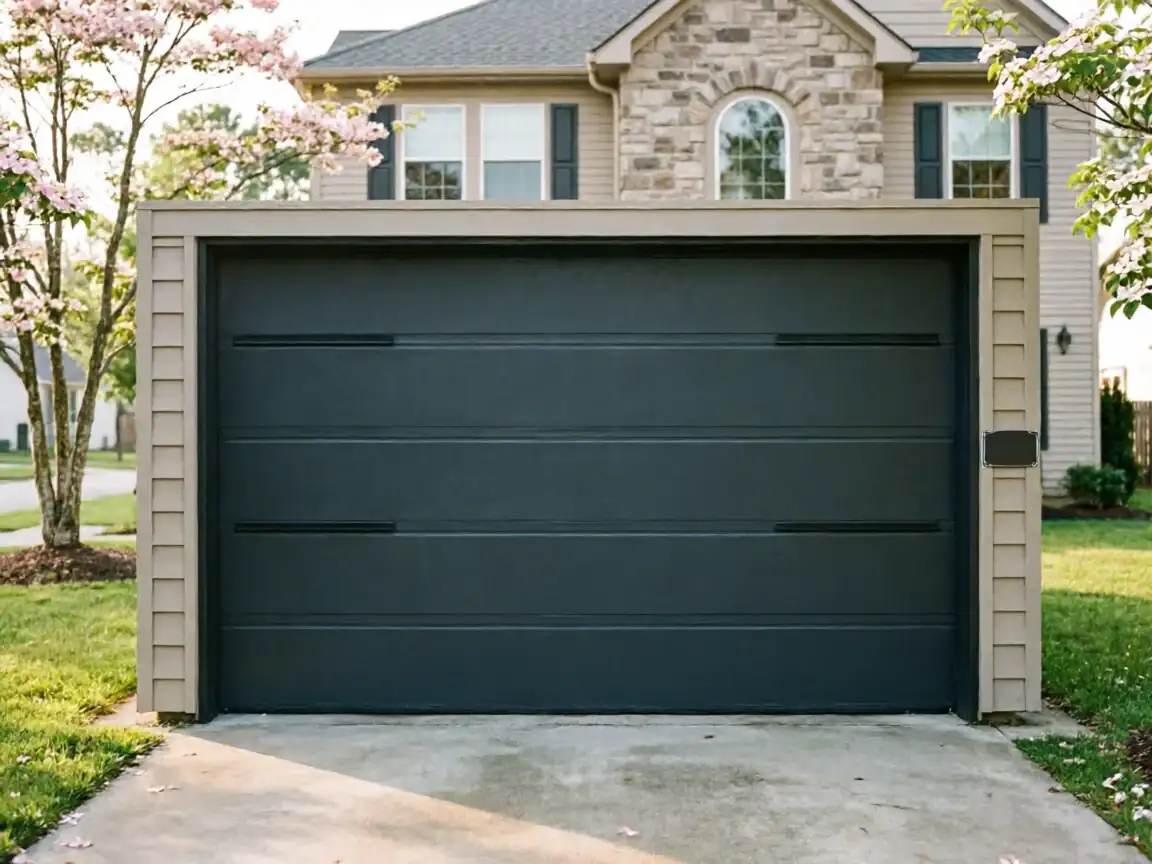
A standard single or double door swap, once the crew is on site, usually runs a few hours start to finish - old door off, new track and hardware set, panels hung, opener reconnected and balanced. What takes longer is anything to do with framing. On a house from this era, if the jamb needs squaring or there's old trim to remove first, add time for that before the door itself goes up. We don't carry every size and color of panel on the truck, since custom widths and finishes are special order, so if you want something other than a standard size, expect a lead time on the door itself before we can even schedule the install day. We'll tell you that lead time when we quote, not after you've waited for a call back.
Doing It Yourself
We'll say this plainly: installing a new garage door yourself is possible if you're comfortable with torsion spring tension, which is the part that hurts people. A spring wound to the wrong tension for a new door's weight can snap a cable or worse, and on a median-income area like Metter, we understand the appeal of saving labor cost by doing it yourself. If you're set on it, at minimum get the spring sizing and balance checked by someone who does this daily before you trust it with your hand or your car underneath. For anyone not confident reading a torsion chart, this is one of the jobs where paying for the install is worth it over paying for an ER visit instead.