What the Repair Takes
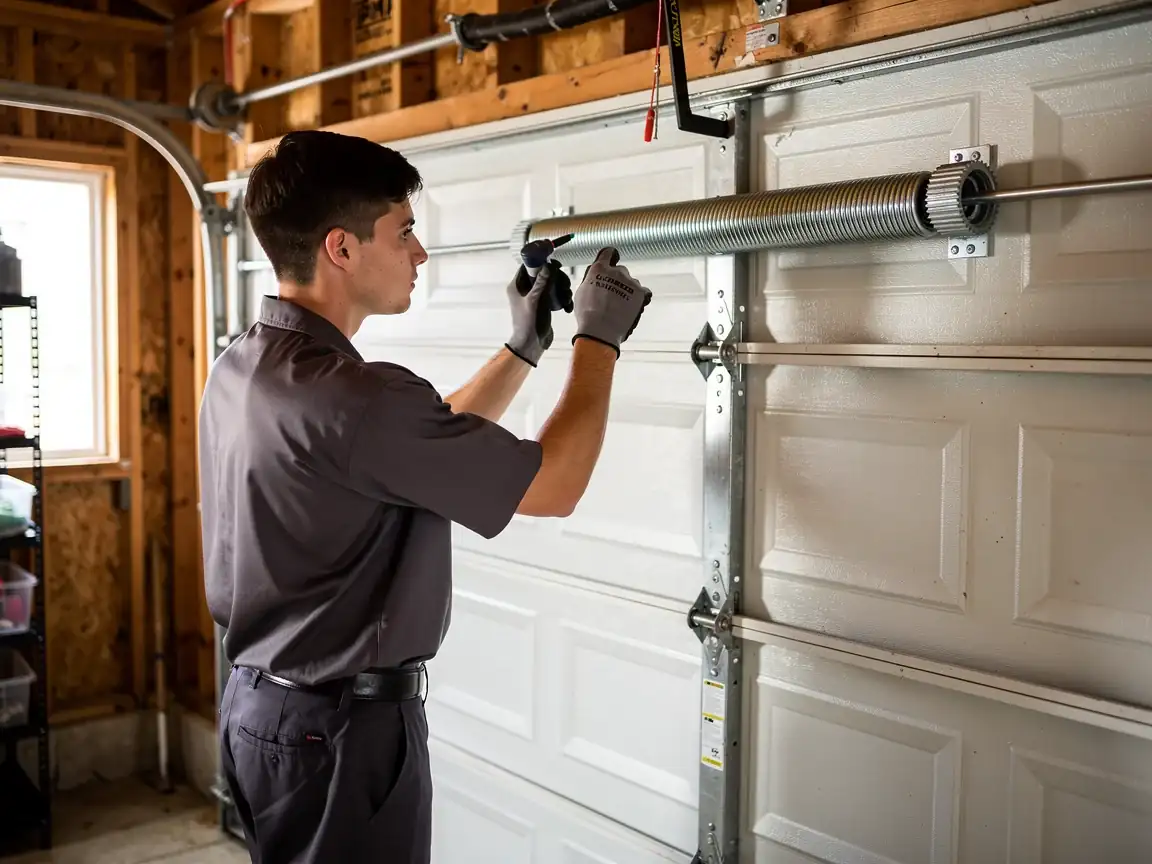
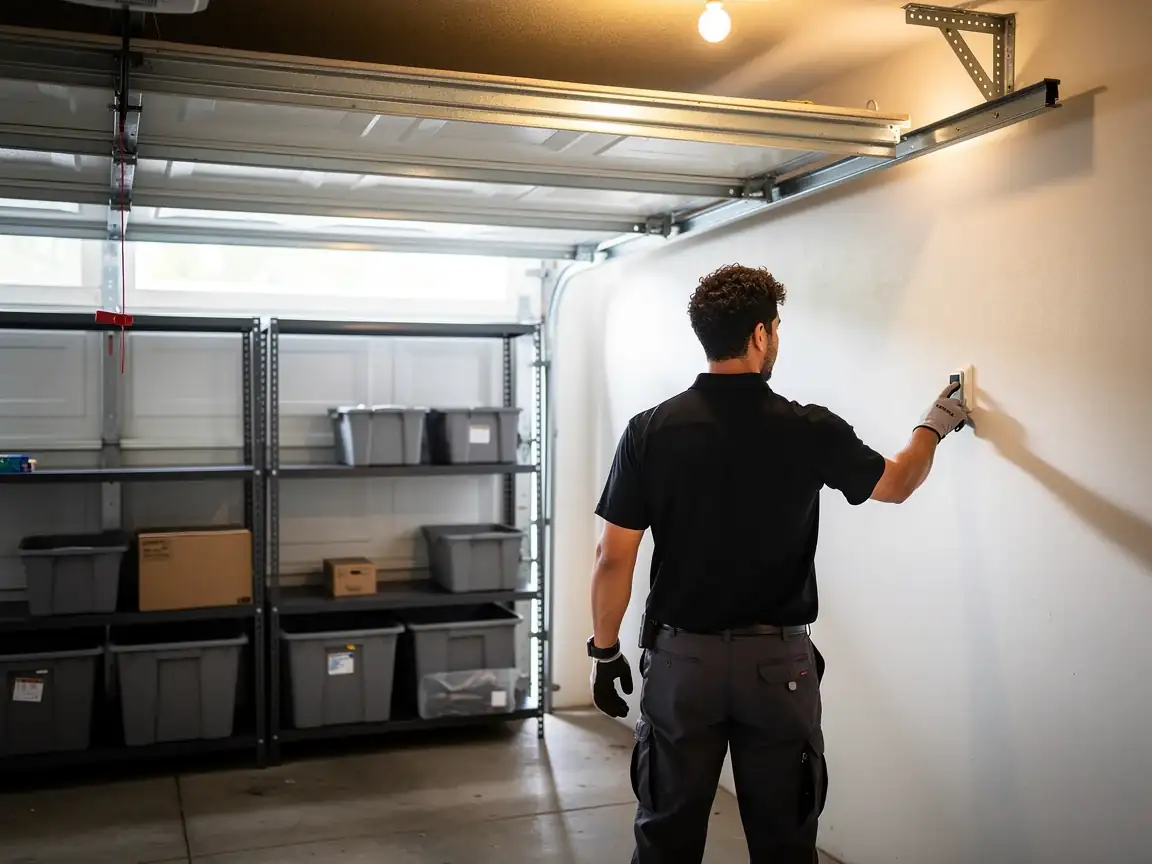
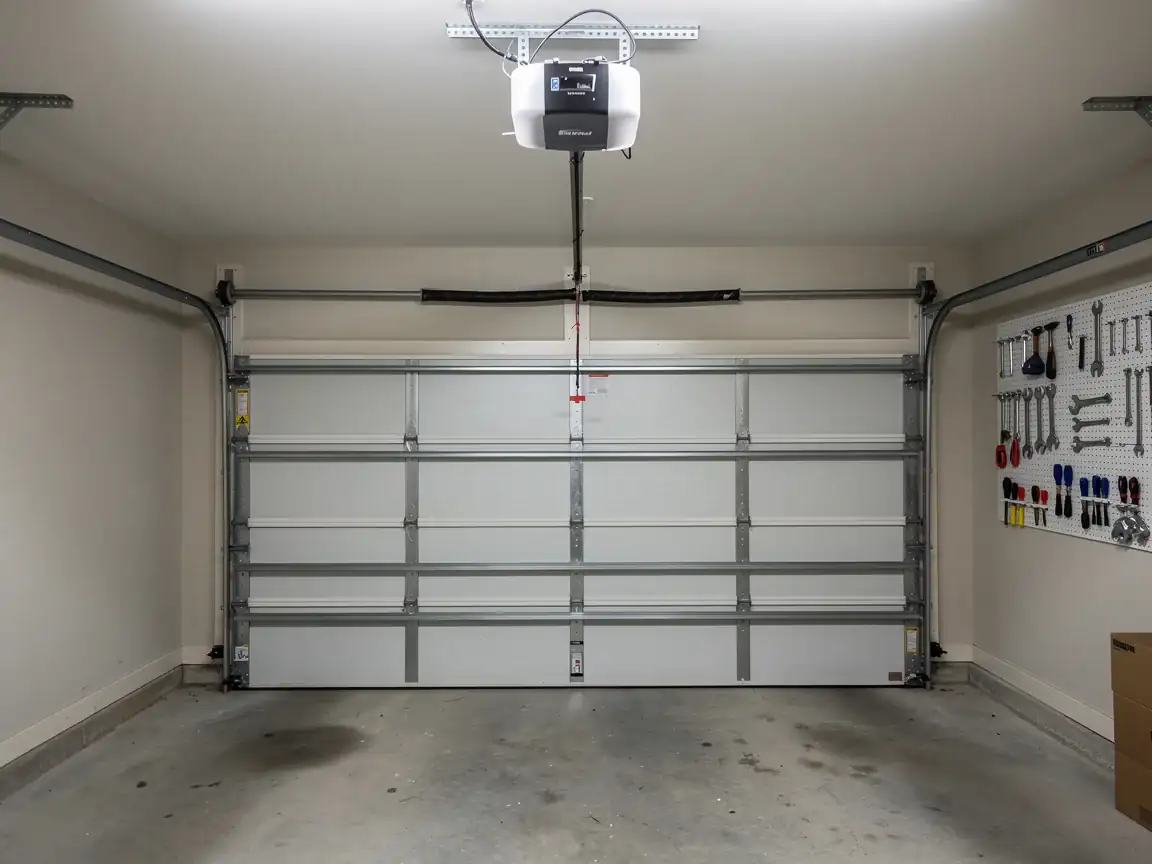
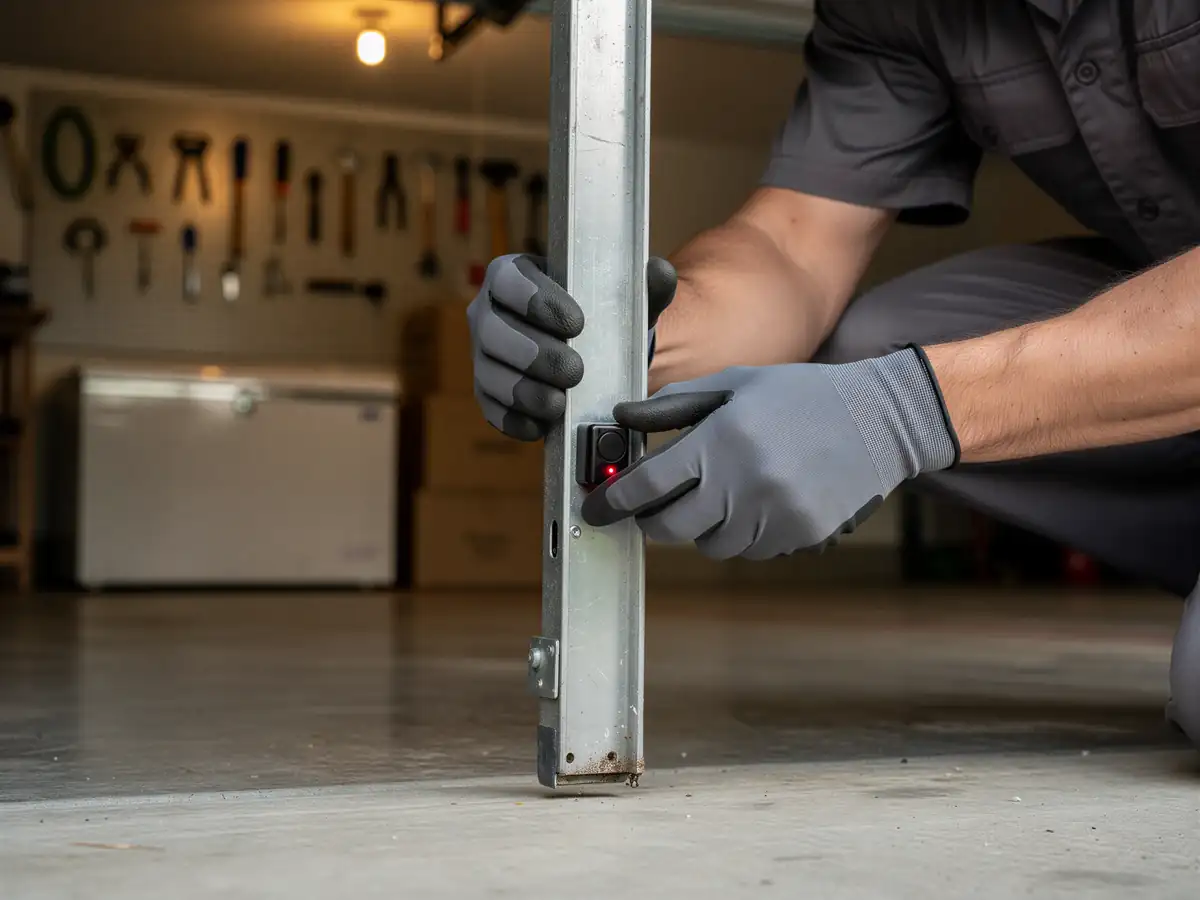
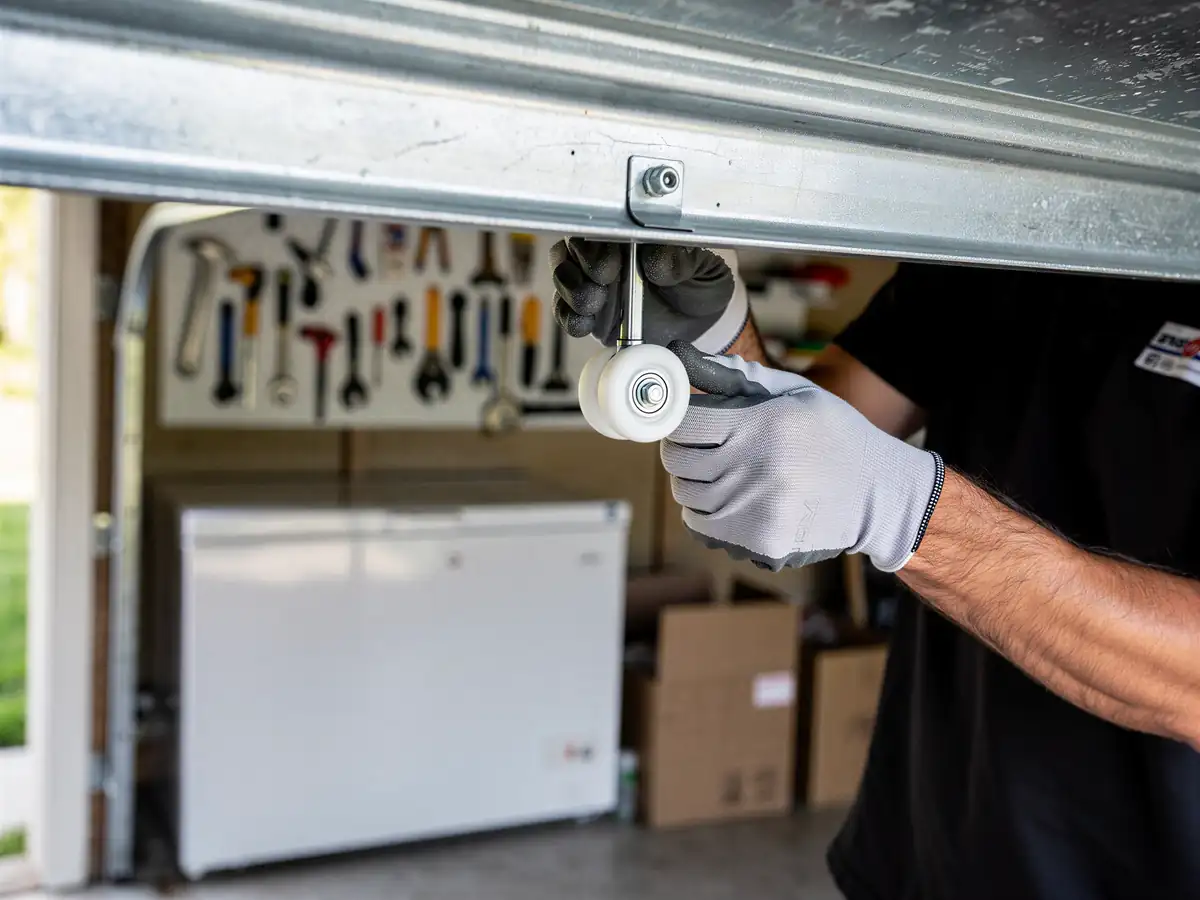
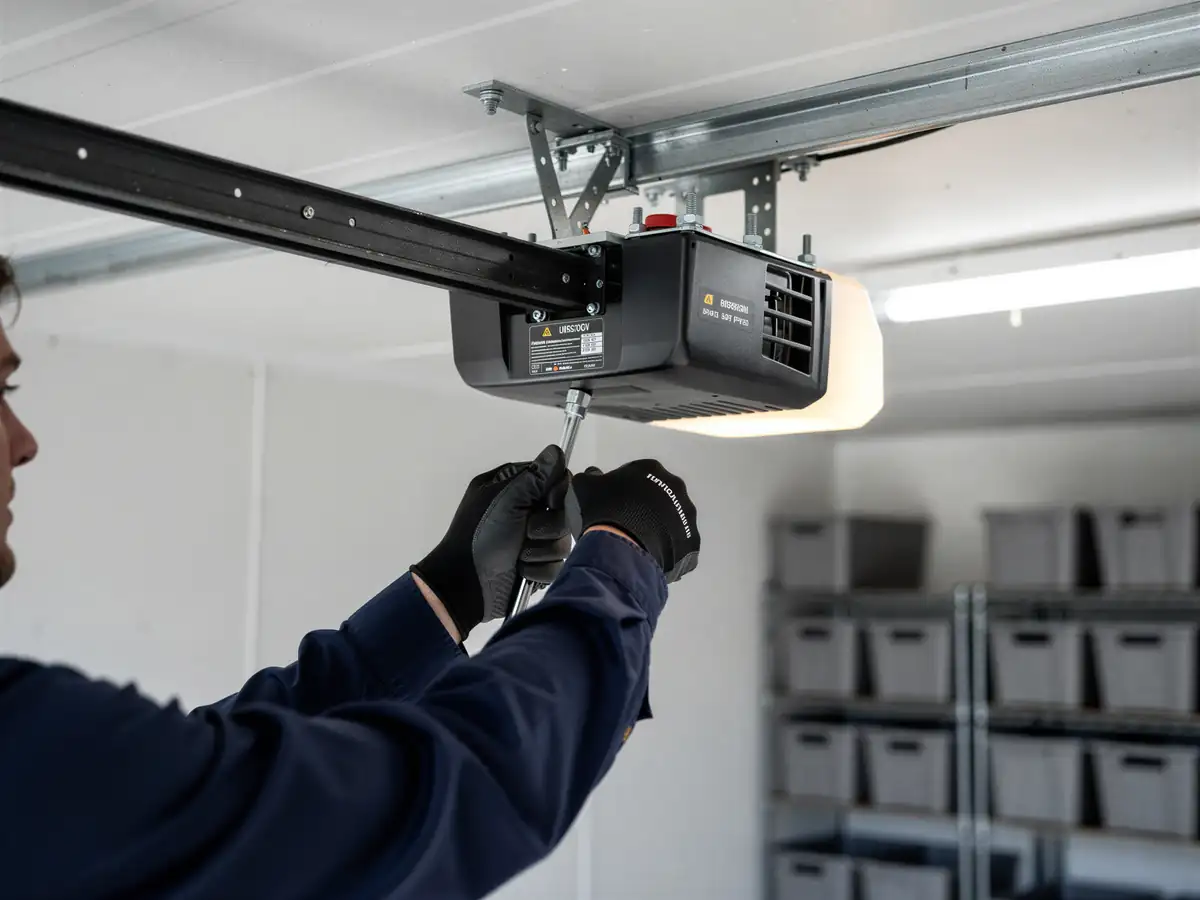
A new opener install means more than bolting a motor to the ceiling. On a lot of Metter houses, the rail bracket, the header mount, and the wiring are original to a house built around 1982, and none of that was designed around today's openers. We check the mounting point can actually hold the unit, run new wiring if the old line is undersized or brittle, and set the travel limits and force settings by hand rather than trusting factory defaults on an unfamiliar door. If your house still has a pre-1993 opener, we also add photoelectric safety sensors as part of the install - that wasn't federally required when these houses went up, so a lot of original or early-replacement units out here never had them. One honest limitation: if the door itself is out of balance or the springs are worn, we'll flag that before touching the opener, because a new motor bolted to a bad door just fails faster and we'd rather tell you that up front than sell you a motor that won't fix the problem.
What Causes It Around Here
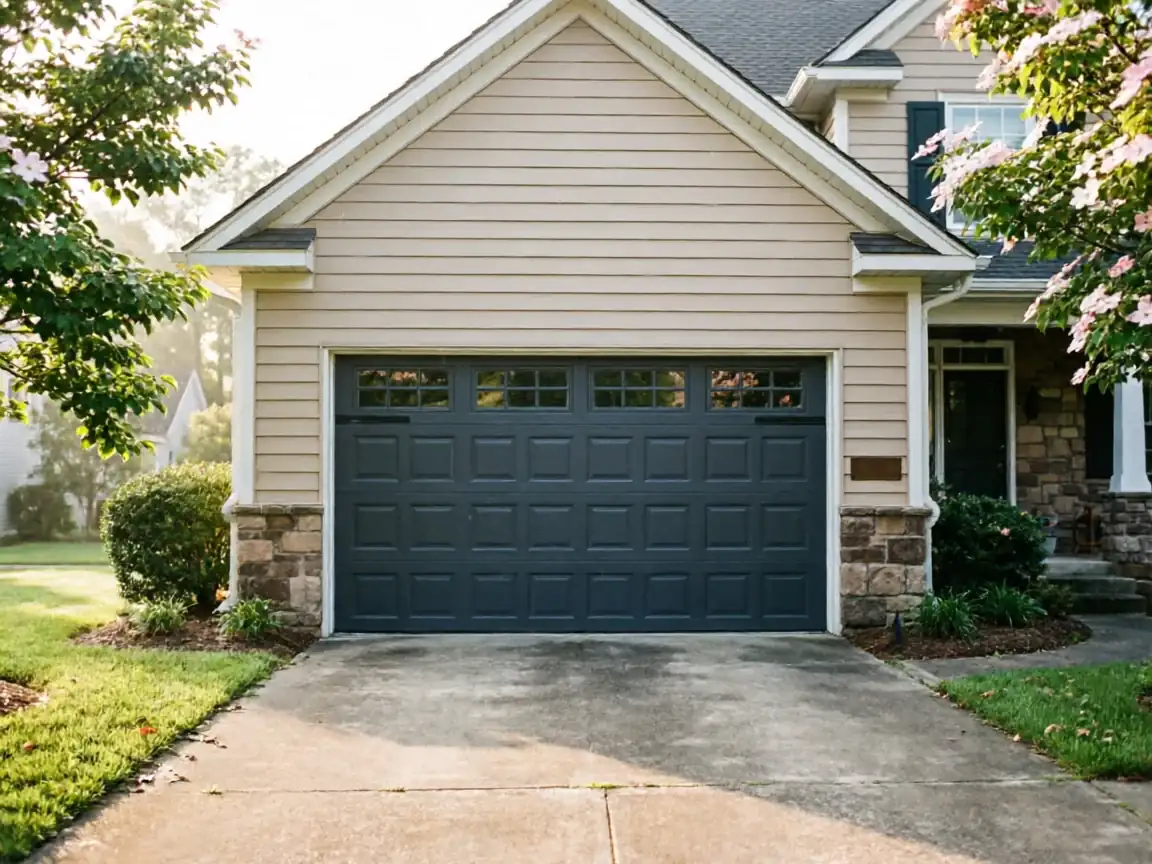
Metter's housing centers on 1982, which puts a good share of the stock right at the edge of the 1993 federal mandate requiring photoelectric safety sensors on garage door openers. Any opener still running from that era, or an early replacement that just matched what was there, is likely missing sensors entirely - not broken, just never built with them. The climate band here is mild with occasional freeze, so we're not fighting ice jamming the track the way colder regions do; when a Metter opener fails, age and worn gears are almost always the reason, not weather. Metter accounts for 1,756 of the roughly 3,056 households across our whole service area, and the service area's median income runs around $55,125 - but Metter's own median sits closer to $36,111, which is part of why we see more requests for a straightforward chain-drive replacement here than for the quieter belt-drive upgrade. None of that is a judgment, it's just what we actually install when we're out this way.
How Long It Takes
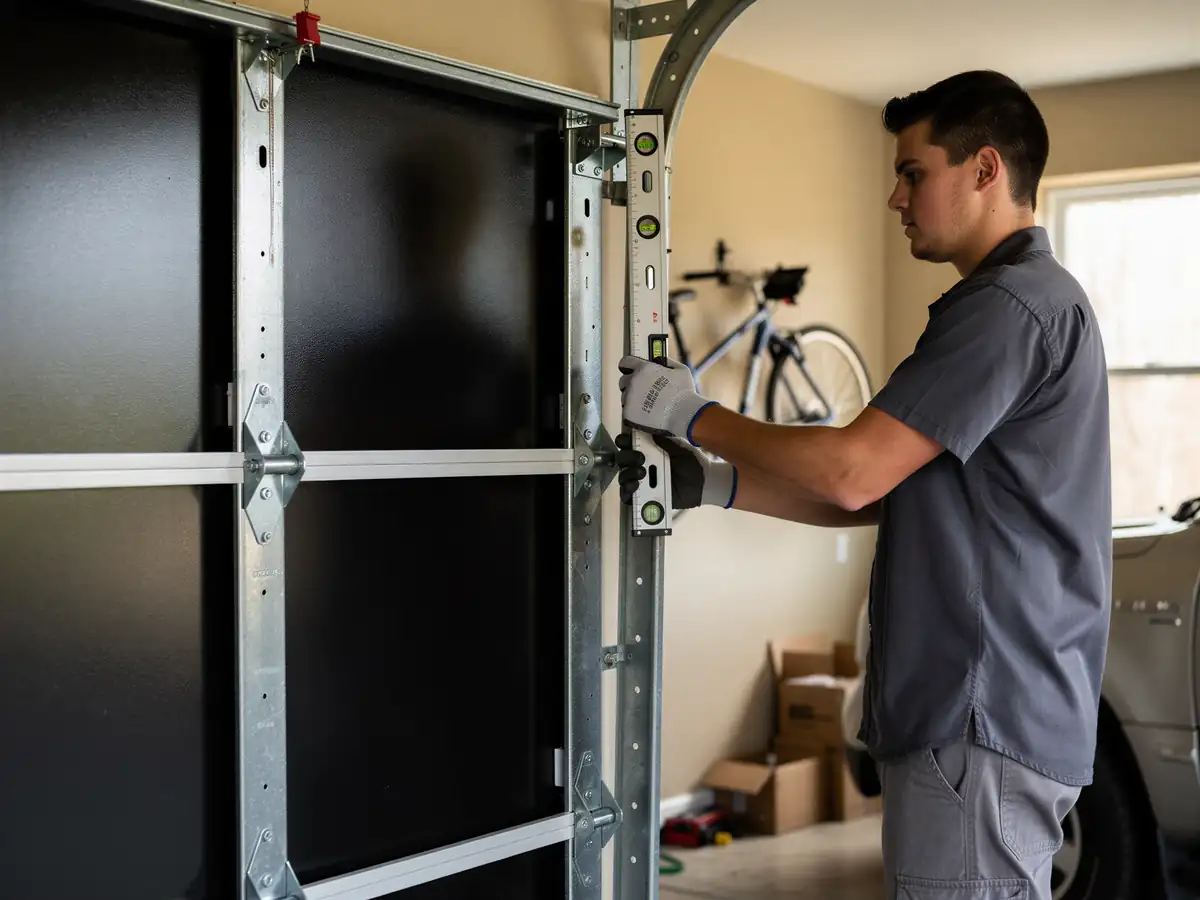
We don't have a fixed number to promise you here, because it depends on what the mounting point and wiring look like once the old unit comes down. A straightforward swap, where the rail and bracket are in decent shape, is a same-visit job. Add sensor wiring on a house that never had any, or a header that needs reinforcing because the original mount wasn't built for a heavier opener, and the visit runs longer. We'd rather give you a real estimate once we've seen the installation than a number that doesn't hold up once we're up on the ladder.
Doing It Yourself
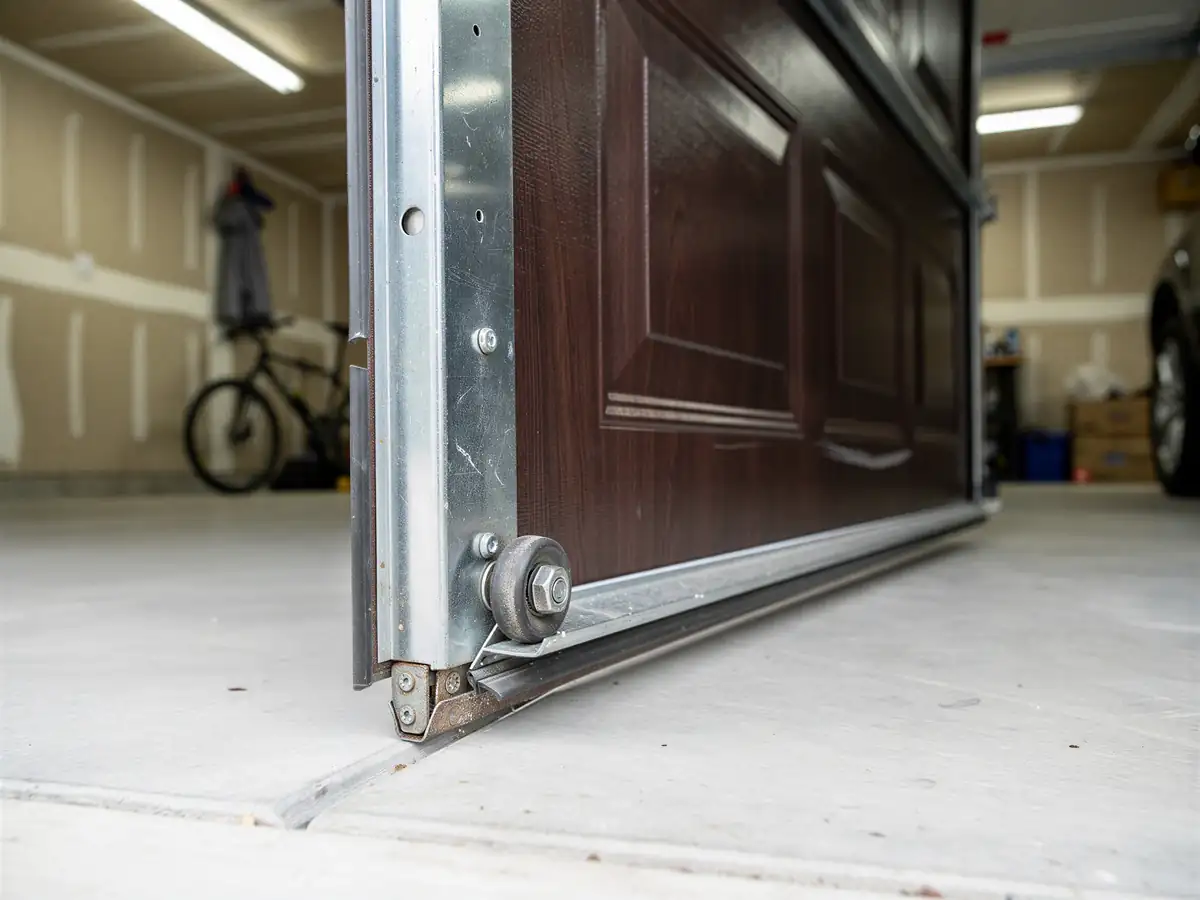
Swapping an opener yourself is possible if you're comfortable on a ladder and patient with wiring, but a few things trip people up on houses like these. First, matching the opener to the existing rail and header without knowing what's original can mean buying hardware that doesn't fit the mount you've got. Second, adding photoelectric sensors to a house that's never had them means running new low-voltage wire across the garage, which isn't hard but is easy to get wrong in a way that defeats the safety feature entirely - a sensor that looks installed but isn't aligned does nothing. Third, setting force and travel limits incorrectly on an older door can mean the opener either doesn't reverse when it should or strains against a door it isn't actually lifting right, which burns out the motor fast. If you're just replacing a dead motor on a mount you know is solid, it's a reasonable weekend project. If you're not sure what year the opener is or whether sensors are even present, that's worth a second look before you buy anything.