What the Repair Takes
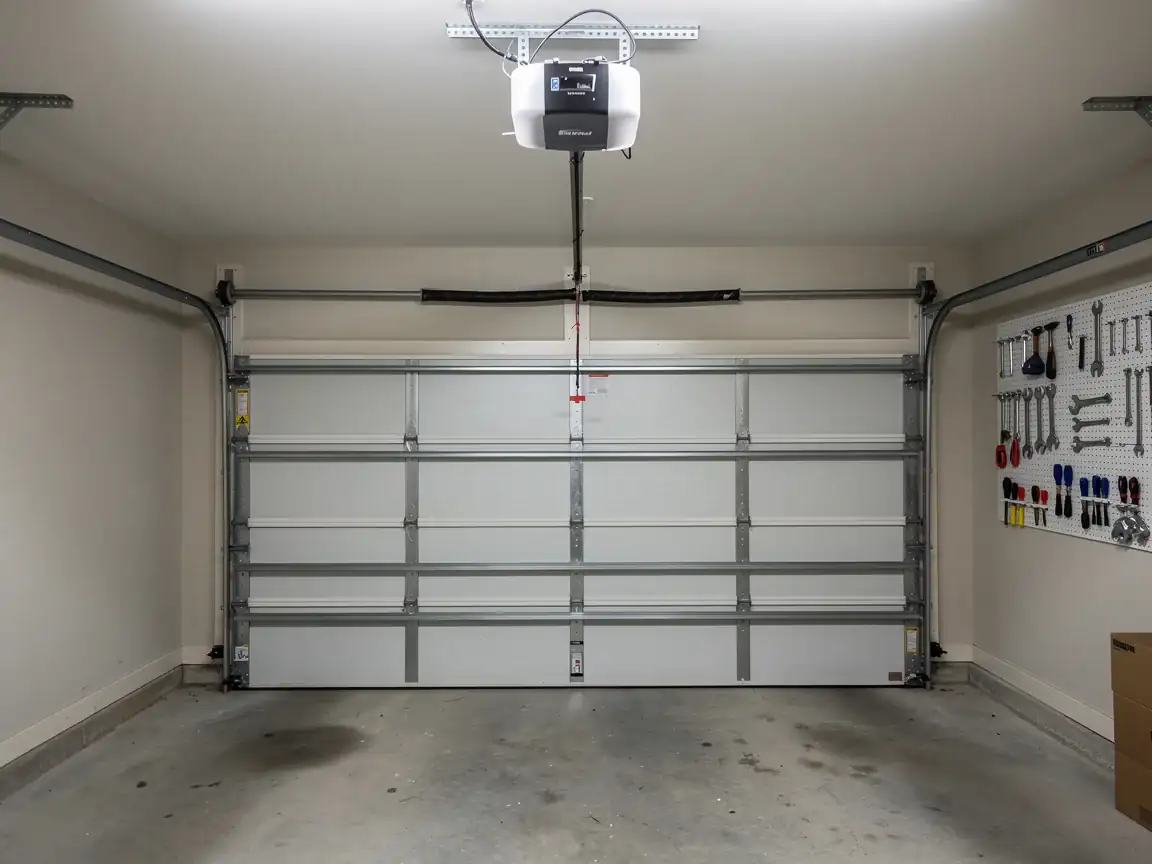
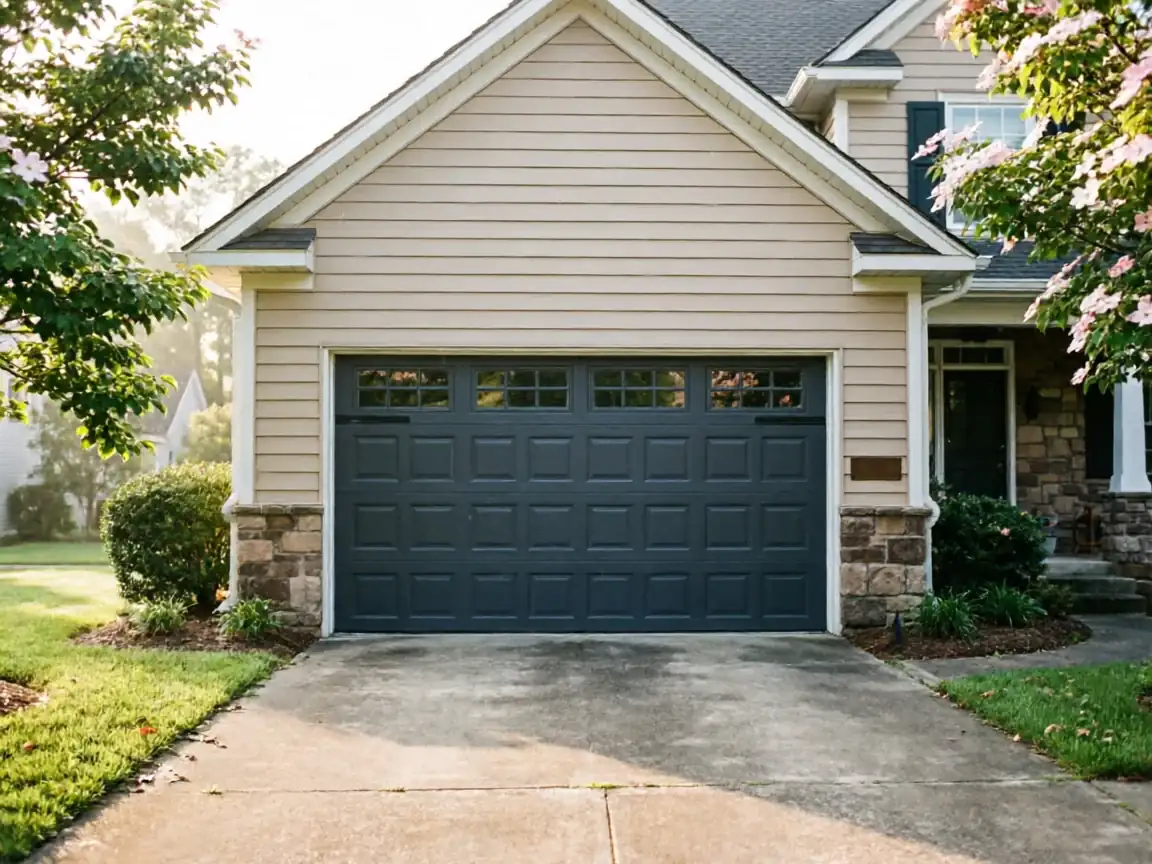
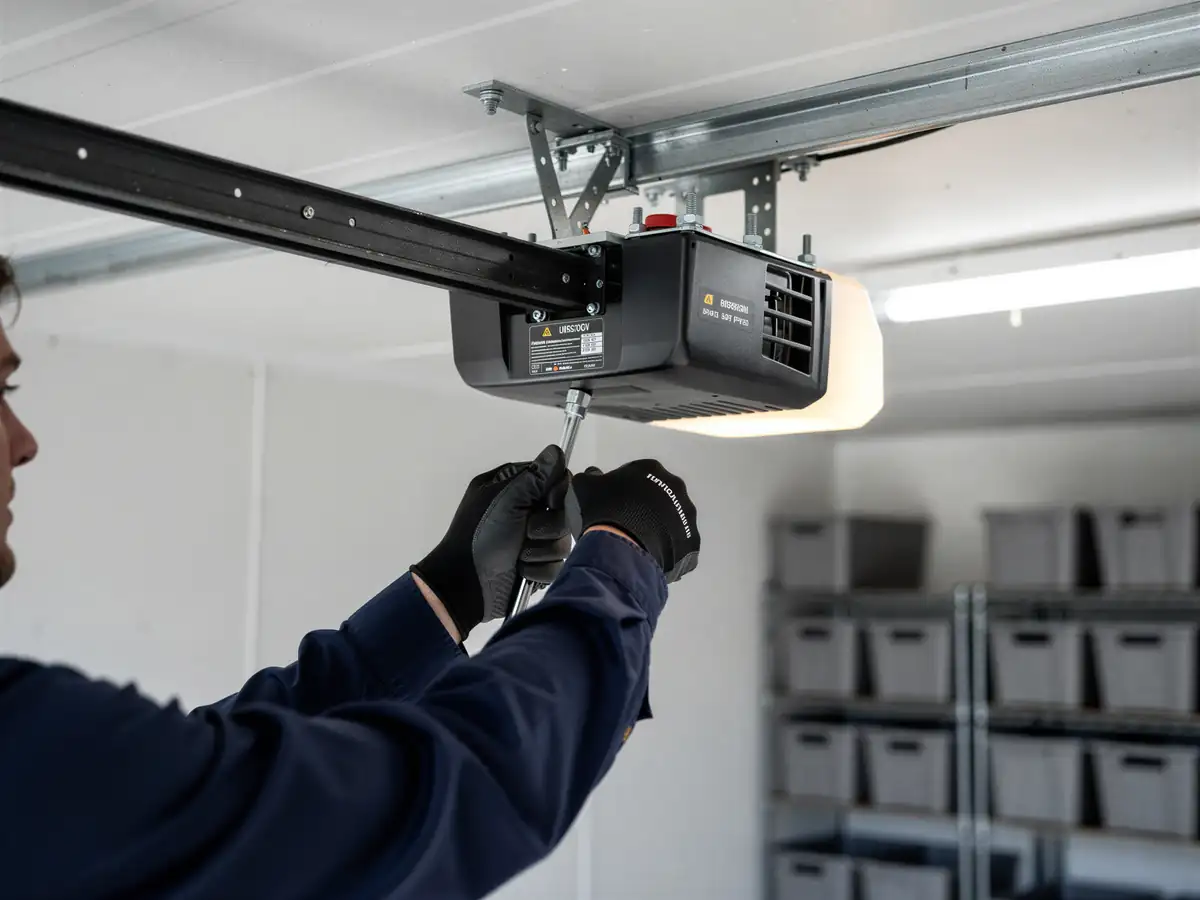
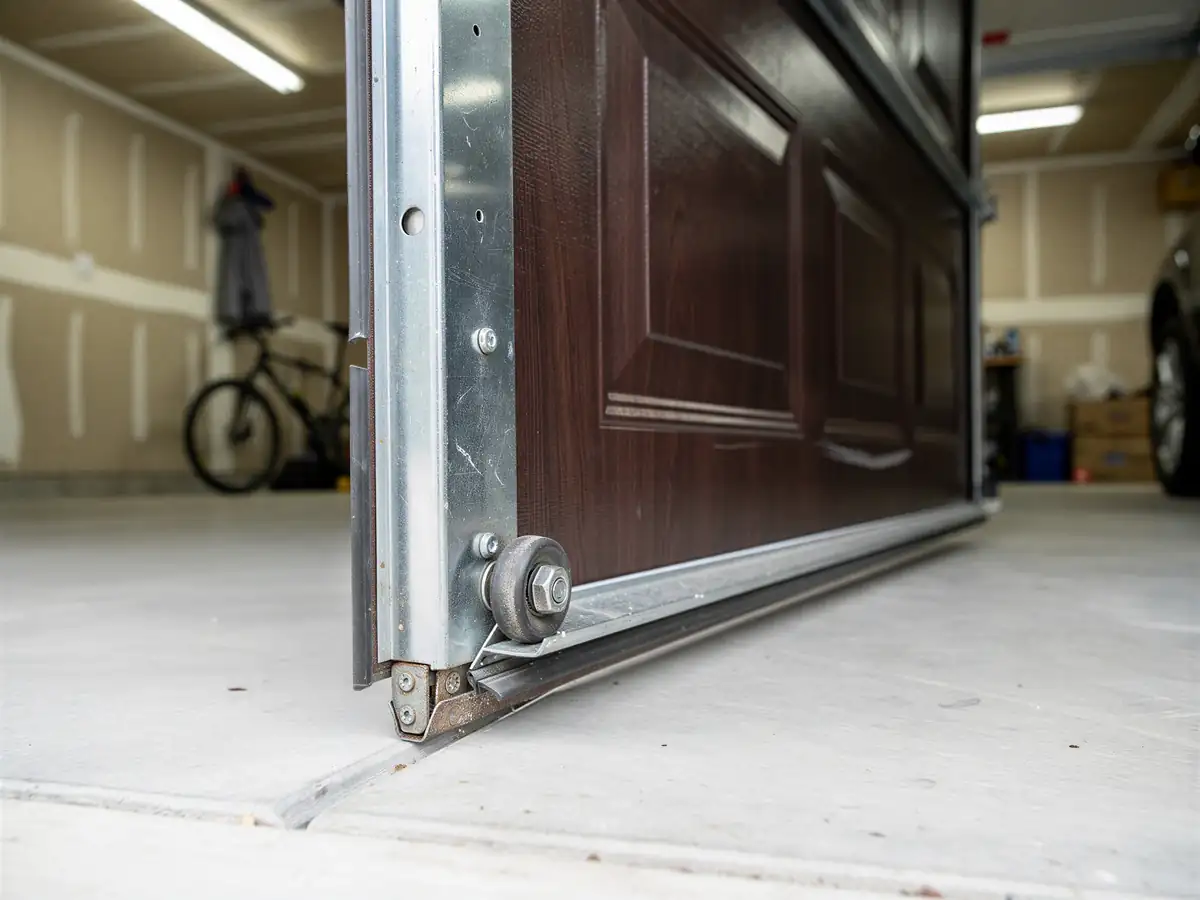
Metter's housing stock centers on 1982, which puts a large share of these garage doors in the chain-drive opener generation - steel sectional panels on a standard single or double track, running on 1/3 horsepower motors that were never built to the duty cycle some of these units have seen for forty-plus years. A repair here usually means one of three things: the drive gear inside the housing has stripped (common on units this old, and it's plastic even on otherwise solid motors), the limit switch assembly has drifted so the door reverses or won't seat, or the logic board has simply aged out. We replace what's failed rather than the whole unit when the housing and rail are still sound, which is often the case even on a forty-year-old opener that's been kept dry.
What Causes It Around Here
The climate here is mild with occasional freeze, so we don't see the extreme heat-cycling that kills openers in harsher climates - but moisture and age do the damage instead. On a door and opener combination this old, the failure is rarely sudden; it's wear that's been building for years. Chain tension loosens, the chain stretches, and the motor works harder to compensate until the gear strips. Mechanical limit switches - the kind set with turn screws rather than electronic sensing - lose their setting over time and either stop the door short or let it ride too far. With median household income in Metter at $36,111, we also see a fair number of owners who've kept an opener running well past when a Statesboro household might have already replaced it, which is a reasonable call as long as the unit is still serviceable.
How Long It Takes
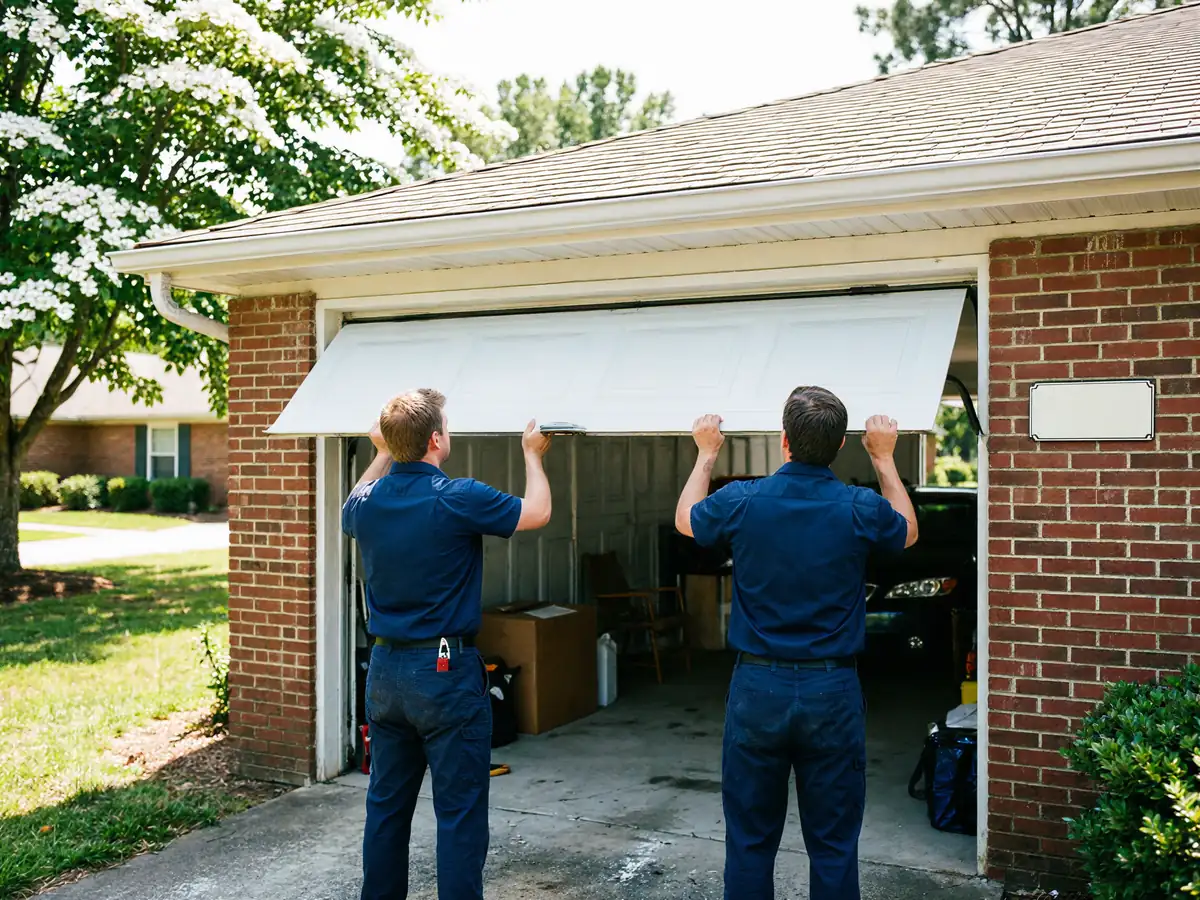
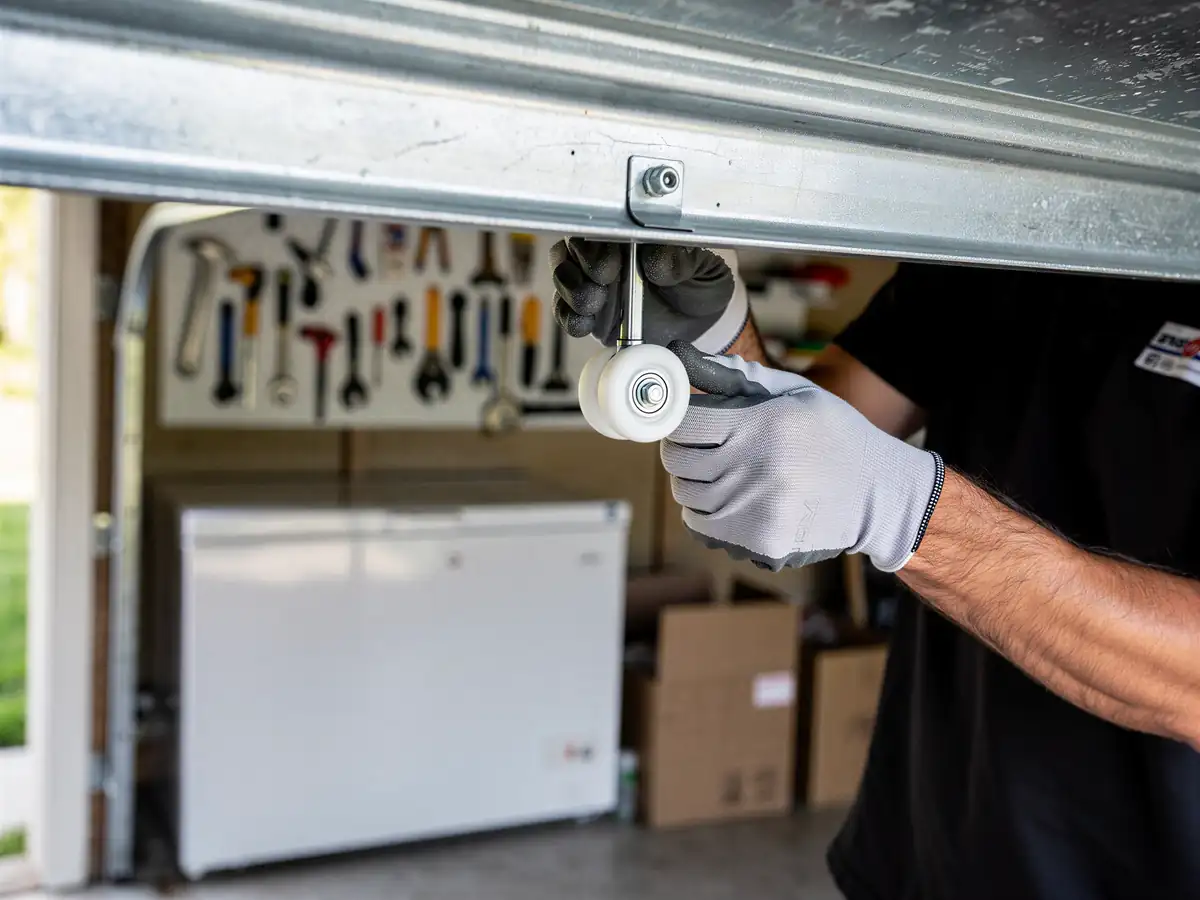
Most of these repairs are a single visit - gear replacement, limit switch reset, or capacitor swap are all parts we carry on the truck because they fail often enough on 1980s-era openers that it would be strange not to. Logic board replacement on an older model sometimes means ordering the part first if the original manufacturer no longer makes a direct match, which can push the job to a second visit. We'll tell you on-site which situation you're in rather than guess over the phone.
Doing It Yourself
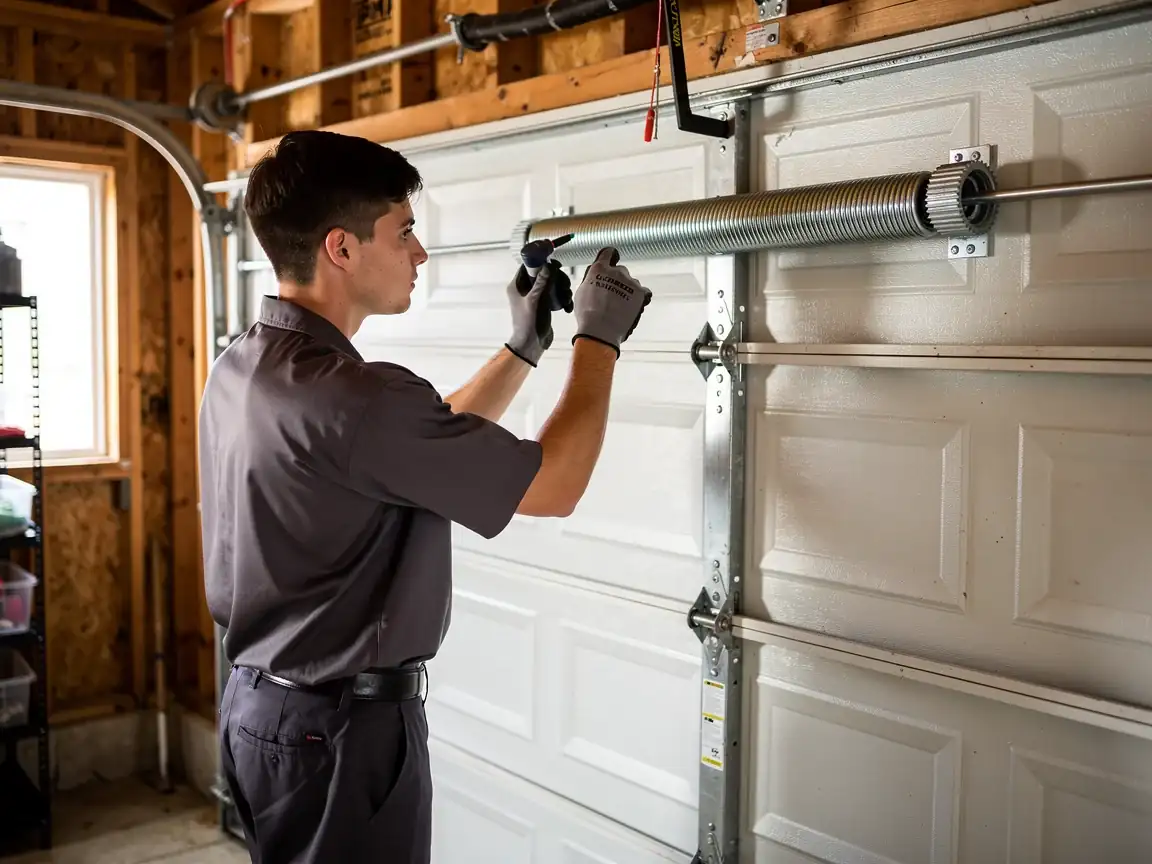
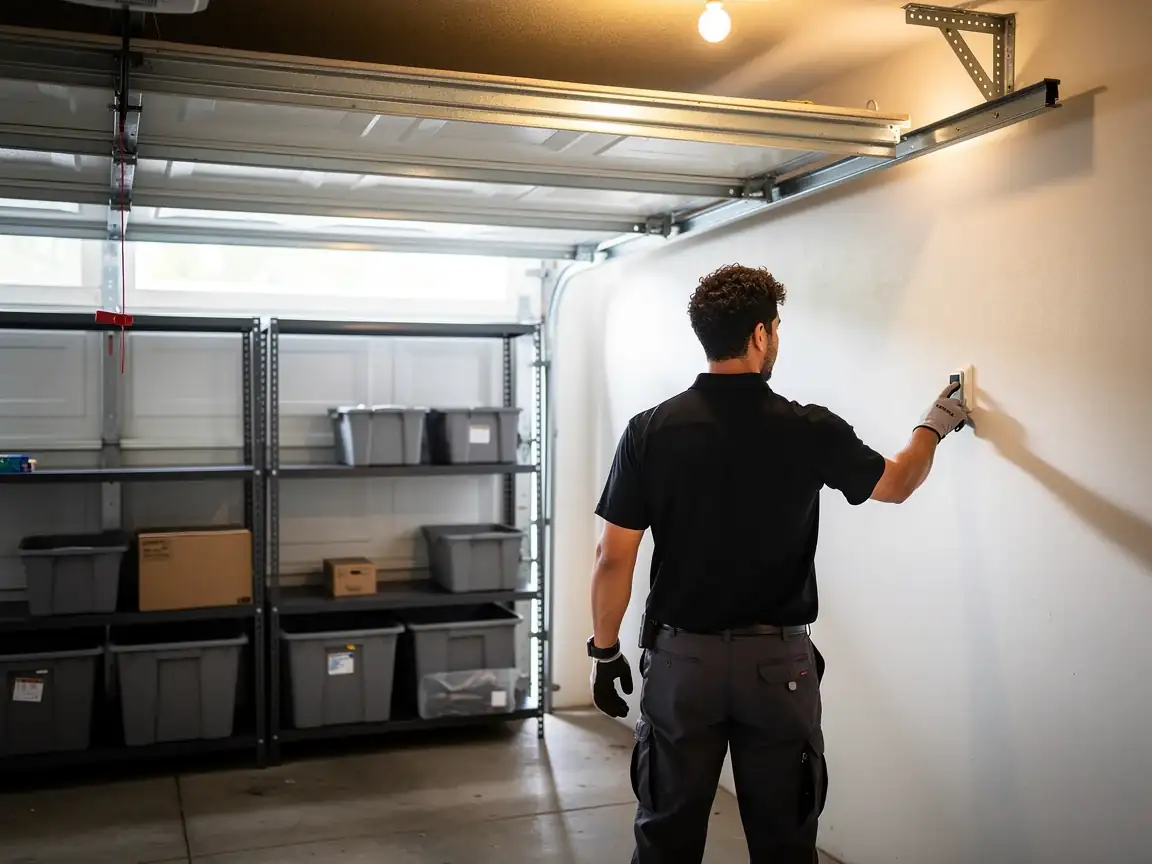
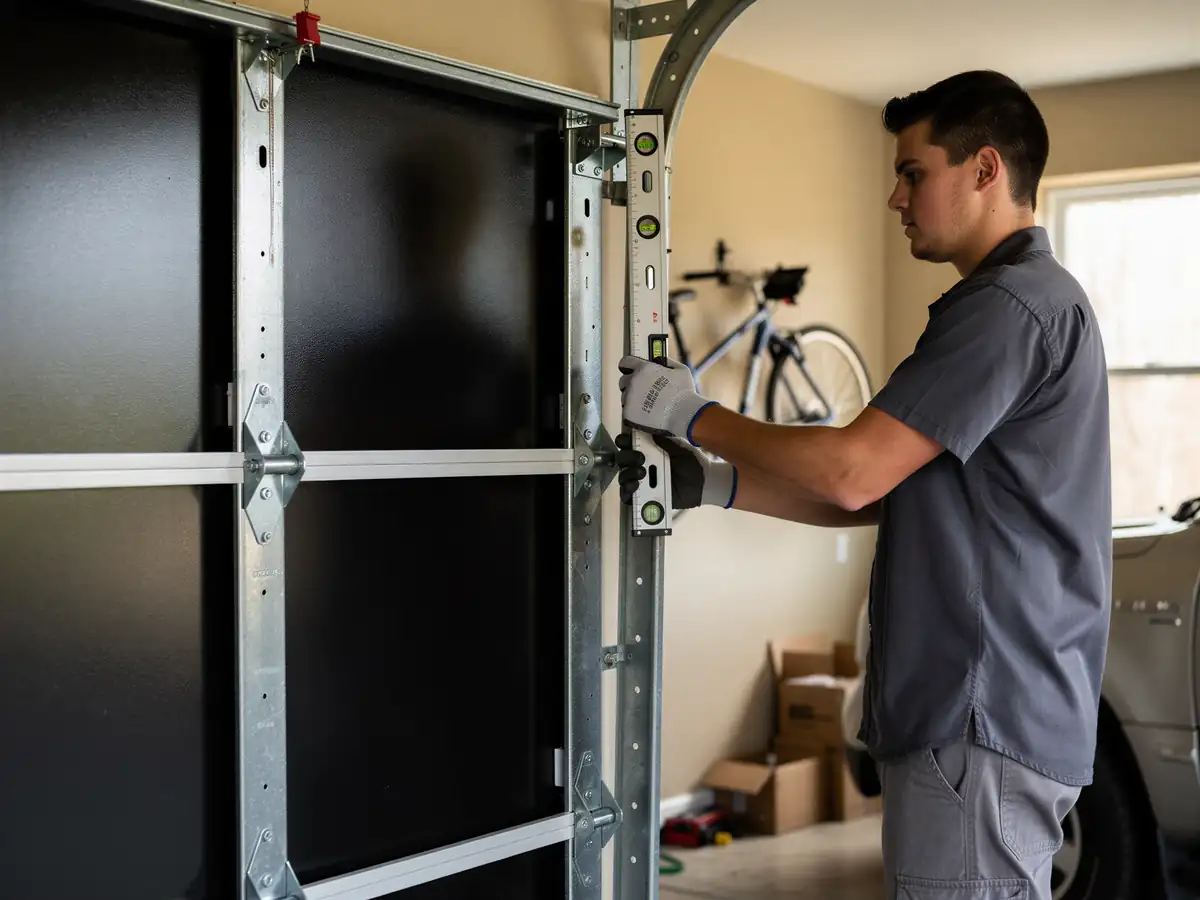
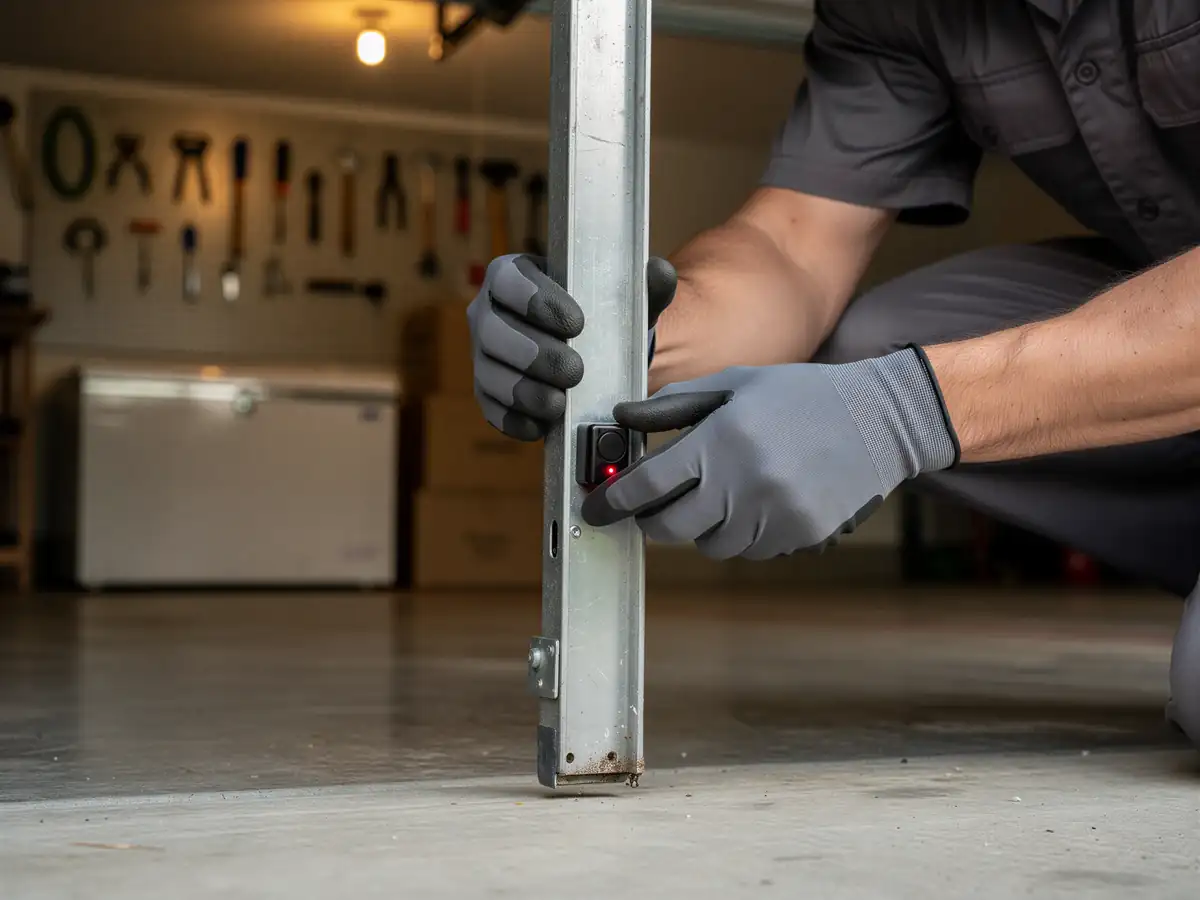
Resetting limit switches and clearing the photo-eye sensors (if the opener's been upgraded to have them) are reasonable DIY checks before you call anyone - a dirty or misaligned sensor is a common, cheap fix. What we don't recommend touching yourself: the drive gear housing, the capacitor, or anything involving the chain under tension. These openers are old enough that the housings can be brittle, and a stripped screw or cracked housing turns a parts repair into a full unit replacement. If the opener is original to a 1982-era home and this is its second or third repair, it's worth asking us honestly whether fixing it again still makes sense - sometimes it does, sometimes a new unit costs less over three years than chasing one failure after another.